Investing in real estate across Nigeria’s commercial capital used to offer fast, lucrative returns for hospitality property owners. However, changing market dynamics mean that Lagos short let profits are under pressure, forcing operators to fundamentally re-evaluate their investment strategies.
According to market research published by Nairametrics, an influx of newly built units paired with soaring electricity and maintenance bills has significantly narrowed profit margins for residential property hosts.
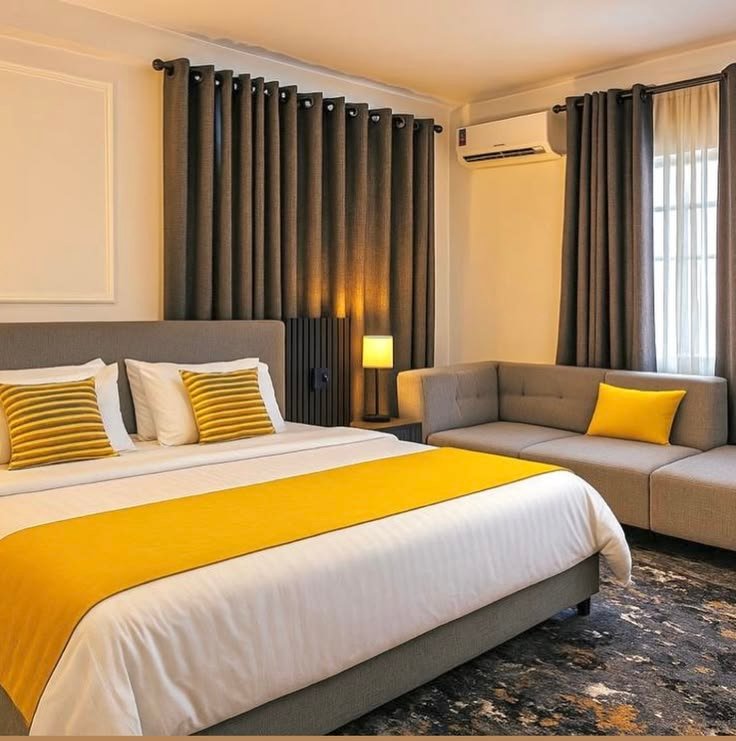
Consequently, property owners in prime locations like Ikoyi, Lekki, and Victoria Island must work much harder to maintain strong occupancy rates.
The Backstory Behind the Short Let Boom
To understand this current squeeze, one must look at how the short-term rental market developed over the past decade. Previously, diaspora visitors and business travelers sought alternatives to expensive, traditional hotel rooms.
Short-let apartments offered privacy, fully equipped kitchens, and home-like living spaces at competitive nightly rates.
Driven by high rental yields, individual investors rapidly converted residential flats into temporary accommodations. However, this uncontrolled expansion created market saturation across popular urban neighborhoods.
Furthermore, macroeconomic pressures like foreign exchange volatility and rising diesel costs dramatically increased monthly facility management overheads.
Key Operating Factors Squeezing Host Earnings
While consumer demand for quality lodging remains active, rising operational expenses continue to eat into net rental yields.
Also read Peller claims fake dollars were sprayed on him during wedding to Jarvis
According to sectoral performance surveys by Estate Intel, key market factors driving profit contraction include:
- Market Saturation: Total available short-stay apartment listings in urban Lagos grew by over 35 percent year-on-year, creating intense price competition among hosts.
- Elevated Utility Overheads: Running off-grid diesel generators during power outages consumes up to 40 percent of gross monthly booking revenue.
- Lower Average Daily Rates: Increased competition forced many property owners to reduce nightly pricing to keep occupancy rates above 50 percent.
- Higher Platform Commissions: International booking channels and domestic listing agents charge fees ranging between 10 and 20 percent per reservation.
Analyzing these market realities, real estate advisor Tola Akerele noted:
“The era of passive short-let income in Lagos is fading. Property managers now face high operating costs, meaning only well-managed units with stellar service can stay profitable.”
What Lies Ahead for Real Estate Investors
Looking ahead, industry experts believe the Lagos short-term accommodation sector is undergoing necessary market maturation.
Instead of relying solely on vacationers, successful property hosts are shifting toward long-stay corporate contracts and medical tourism clients.
Ultimately, while overall yields have normalized, disciplined real estate investors who control operational expenses can still build sustainable long-term revenue streams across the city.