
Artificial intelligence is moving from something Nigerians mostly read about online to a skill that young people are increasingly expected to understand. In Kano, technology hubs and education initiatives are helping to make that transition more practical by exposing students and young people to artificial intelligence, coding, robotics and other digital skills.
The development is significant because the future of work is changing quickly. Employers are adopting AI-powered tools, businesses are automating routine tasks and new careers are emerging around technologies that were barely discussed in Nigerian classrooms a few years ago.
Rather than waiting for young Nigerians to encounter these technologies later in their careers, programmes in Kano are introducing them earlier and connecting classroom learning with practical applications.
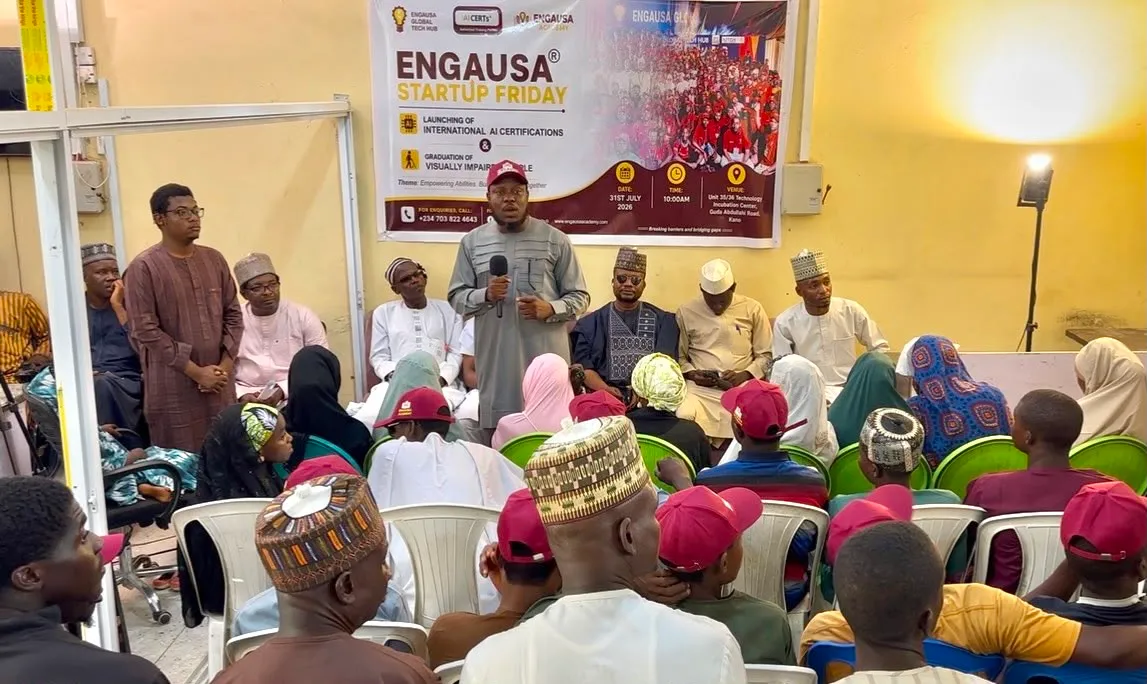
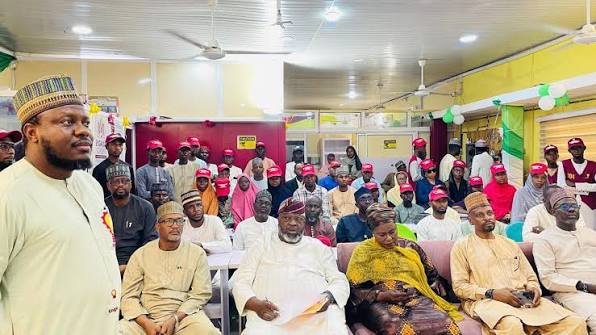
One example is the work of ENGAUSA Global Tech Hub, which has organised STEM activities for students from schools in Kano. Its programmes have included introductory training in artificial intelligence, coding, robotics and graphic design, alongside mentorship and career guidance. Students have been encouraged to experiment with technology and understand how digital tools can be applied to real problems.
This approach matters because AI education does not necessarily mean turning every student into a software engineer. For many young people, the first step is simply understanding what AI can do, how to use it responsibly and how it can complement their existing interests and abilities.
Also Read: African Students Are Becoming AI Builders, Not Just AI Users
AI Skills Are Becoming Part of Career Preparation
The growing emphasis on AI education in Kano reflects a much wider change taking place across Nigeria.
In May 2026, the MindtheGap Foundation partnered with the Raspberry Pi Foundation to bring the Experience AI programme into Nigerian classrooms. The initiative, supported by Google DeepMind and Google.org, includes resources designed to help teachers introduce students to the foundations of artificial intelligence, its applications and issues around AI safety and data protection. Kano is among the pilot states selected for the programme.
The importance of this development is difficult to ignore. Young Nigerians are entering a labour market where digital competence increasingly influences employability. Knowing how to use AI tools effectively can help students become more productive, while understanding how AI works can open their minds to careers in technology, data, business, research and other sectors.
Kano’s technology ecosystem is also becoming more active. Organisations such as Blue Sapphire Hub and ENGAUSA Global Tech Hub have been involved in capacity building, entrepreneurship support and technology education, creating opportunities for young people outside the traditional classroom.
Back Story: Why Kano’s AI Push Matters
Kano has traditionally been recognised for its commercial and industrial importance, but its technology ecosystem is steadily becoming more visible.
That shift is important for Northern Nigeria, where access to technology education and professional networks has not always received the same attention associated with Lagos and other major technology centres.
Recent initiatives show that this is changing. In 2025, ENGAUSA Global Tech Hub brought students from selected Kano schools together for hands-on STEM activities that included artificial intelligence and robotics. The programme was designed not only to teach technical concepts but also to encourage young people, particularly girls, to see technology as a possible career path.
The movement has continued into 2026, with broader AI education programmes reaching Kano schools and institutions.
Skyline University Nigeria, for instance, launched a two-month AI and entrepreneurship programme in July 2026 for 100 women from Kano State. The programme focuses on practical knowledge in artificial intelligence, entrepreneurship and digital skills, reflecting the growing belief that AI literacy should extend beyond traditional technology professionals.
These developments suggest that AI education in Kano is gradually becoming part of a broader conversation about economic participation, entrepreneurship and employability.
Also Read: Abia TechFlock 2026 Puts AI, Skills and the Future of Work in Southeast Nigeria Spotlight
From AI Consumers to AI Builders
The most important question is not whether young Nigerians will encounter artificial intelligence. They almost certainly will. The bigger question is whether they will only consume AI-powered products or learn enough to create solutions with them.
That distinction is becoming increasingly important.
Emerging Nigerian AI education platforms are experimenting with practical, project-based learning that encourages young people to use AI to build games, applications and digital tools rather than simply learning definitions and theories. One example, Kádé Labs, describes its approach as training young Nigerians to become AI builders through practical projects and portfolios.
For Kano, this could become an important opportunity. A young person who learns how to use AI, combine it with an existing skill and solve a local problem has more possibilities than someone who only knows how to operate a chatbot.
The real value of these programmes, therefore, will be measured by what happens after the training. Can students build useful products? Can they start businesses? Can they secure jobs or freelance opportunities? Can they use AI to solve problems in education, agriculture, commerce, healthcare and other areas?
If Kano’s emerging technology ecosystem can answer those questions positively, AI education could become more than another training programme. It could become part of a larger strategy for preparing Northern Nigeria’s young population for an economy where digital skills, creativity and the ability to work with artificial intelligence will increasingly matter.