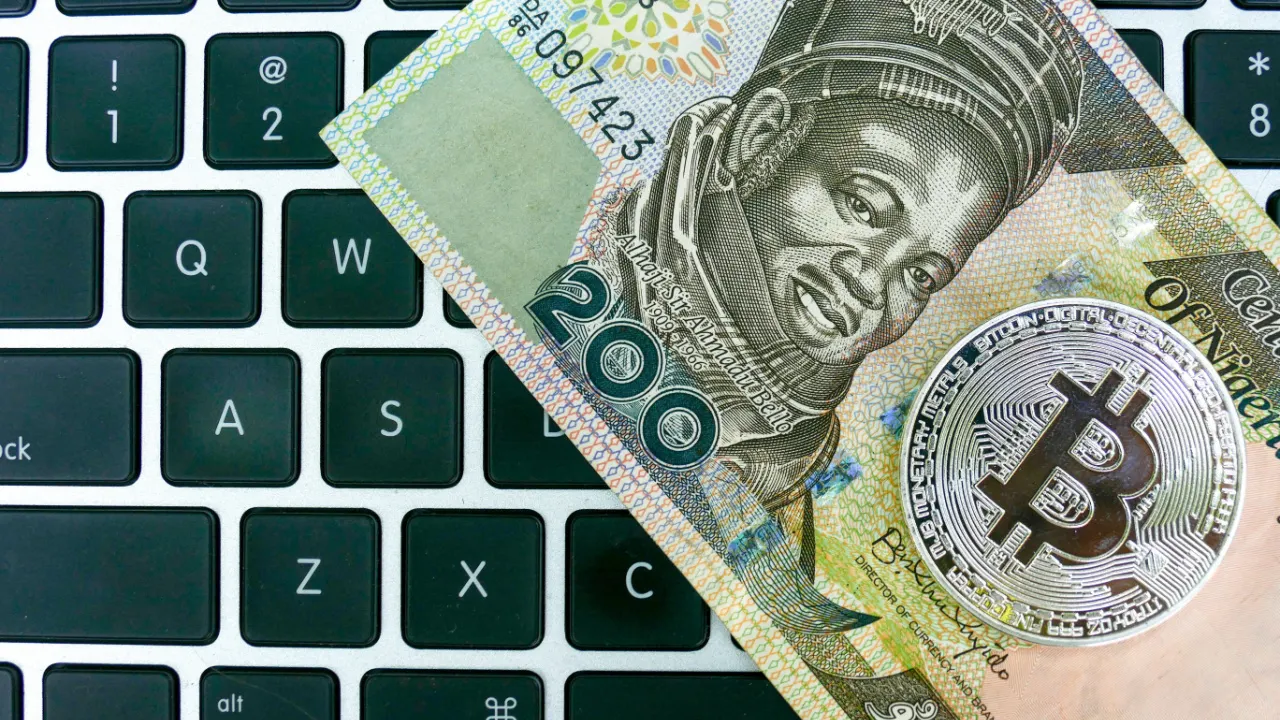

Nigeria’s conversation around blockchain and digital finance is moving beyond cryptocurrency speculation, with Abuja set to host a major industry gathering focused on tokenisation, digital assets, artificial intelligence and the future of the country’s digital economy.
The Tokenized Economy 2026 Abuja Edition is scheduled for September 30, 2026, at the Nigeria Army Conference Centre in Asokoro. The event will be co-hosted with the Nigerian Capital Market Institute (NCMI), the capacity development arm of the Securities and Exchange Commission (SEC) Nigeria. The organisers say the gathering will bring together regulators, financial institutions, investors and Web3 leaders to examine how emerging technologies can reshape financial markets.
The development comes at a time when Nigeria’s financial technology industry is rapidly evolving, and regulators are facing increasing pressure to create rules that support innovation without exposing consumers and investors to unnecessary risks.
Abuja Becomes a Meeting Point for Nigeria’s Tokenisation Conversation
Tokenisation refers to the process of representing real-world or financial assets digitally on a blockchain or distributed ledger. These assets can include securities, property, commodities, investment funds and other forms of value.
For Nigeria, the subject is particularly important because the country already has one of Africa’s most active fintech ecosystems. The Central Bank of Nigeria has been working towards a more advanced digital payments environment, while the SEC has been developing frameworks for digital assets and innovative capital market businesses.
The SEC remains Nigeria’s apex regulator for the capital market and has increasingly engaged with businesses developing blockchain-based financial products. Its regulatory sandbox and innovation initiatives are designed to allow eligible businesses to test new products under supervision. A recent legal review noted that the SEC framework covers areas including blockchain-based securities and tokenised assets.
The Abuja event therefore comes at an interesting point in Nigeria’s digital finance journey. Rather than treating blockchain purely as the technology behind cryptocurrency, policymakers and financial professionals are increasingly considering how distributed ledgers can support investment, payments, settlement and ownership.
Also Read: AI Skills Are Becoming Essential for Students Preparing for the Future of Work
Why Tokenisation Matters to Nigeria and Africa
One of the biggest attractions of tokenisation is the possibility of making financial transactions faster and more efficient.
The European Commission has highlighted several potential advantages of distributed ledger technology and tokenisation, including reduced payment and settlement friction, improved liquidity management, programmability and easier reconciliation.
For African markets, those possibilities could have practical implications. Cross-border payments remain expensive and complicated in many parts of the continent. Tokenised assets and blockchain-based settlement systems could potentially reduce some of the intermediaries involved in moving value between markets.
Nigeria is already positioning itself as a major player in regional digital payments. A recent report by TechCabal noted that the country’s payment infrastructure has expanded dramatically over the past two decades, with the CBN now looking towards greater interoperability, open banking and defined use cases for digital currencies, stablecoins and tokenised financial assets.
However, the opportunity should not be confused with a guarantee of success. Tokenisation introduces new questions around cybersecurity, investor protection, ownership rights, interoperability and regulation.
That is why bringing regulators, investors and technology companies into the same conversation could be significant.
Back Story: Nigeria’s Blockchain Journey Has Not Been Straightforward
Nigeria’s interest in blockchain is not new. The country approved a National Blockchain Policy in 2023, with the broader objective of using blockchain technology to support economic development and digital transformation.
Yet implementation has been slower than many technology stakeholders expected. A July 2026 report highlighted concerns that Nigeria’s wider blockchain policy has not progressed at the same pace as cryptocurrency regulation, despite the potential economic opportunities associated with blockchain technology.
There has nevertheless been continued movement within the financial sector.
The SEC has expanded its regulatory engagement with fintech companies, while Nigeria’s capital market is beginning to consider how digital securities and tokenised assets could fit into the formal financial system. In July 2026, seven additional fintech companies were admitted into the SEC’s regulatory innovation programme, reinforcing the regulator’s effort to create a controlled environment for financial innovation.
Earlier discussions involving Nigerian regulators have also recognised the potential of tokenisation. In a Central Bank of Nigeria publication, asset tokenisation was examined as a mechanism capable of representing different types of assets on distributed ledgers, while also acknowledging risks including money laundering, terrorism financing and illicit transactions.
This history explains why the Abuja discussion is more than another blockchain conference. The central question is increasingly becoming how Nigeria can take advantage of blockchain technology while ensuring that the financial system remains safe, transparent and accessible.
Nigeria Faces an Opportunity, But Regulation Will Matter
The growing global interest in tokenisation makes Nigeria’s timing particularly important.
Major international financial institutions are increasingly exploring blockchain-based systems, tokenised securities, stablecoins and tokenised deposits. Recent global reporting shows that traditional financial institutions are becoming more interested in blockchain because of its potential to support faster settlement and round-the-clock trading, although concerns about cybersecurity, interoperability and systemic risk remain.
For Nigeria and the wider African market, the opportunity could extend beyond financial markets. Properly developed tokenisation systems could eventually support areas such as real estate, agriculture, infrastructure financing and other real-world assets by creating new ways for investors to participate.
But the technology will only deliver meaningful benefits if the regulatory and institutional foundations develop alongside it.
The September gathering in Abuja will therefore provide an opportunity for stakeholders to address some of these questions directly. With the NCMI and SEC Nigeria involved, the discussions could also offer a clearer indication of how Nigeria’s capital market regulators view the next phase of digital assets and tokenised finance.
For ordinary Nigerians, the most important outcome may not be another new digital asset. It could be whether blockchain eventually becomes part of the infrastructure quietly powering how people invest, transfer money and access financial opportunities.
The debate in Abuja may be one more step towards answering that question.