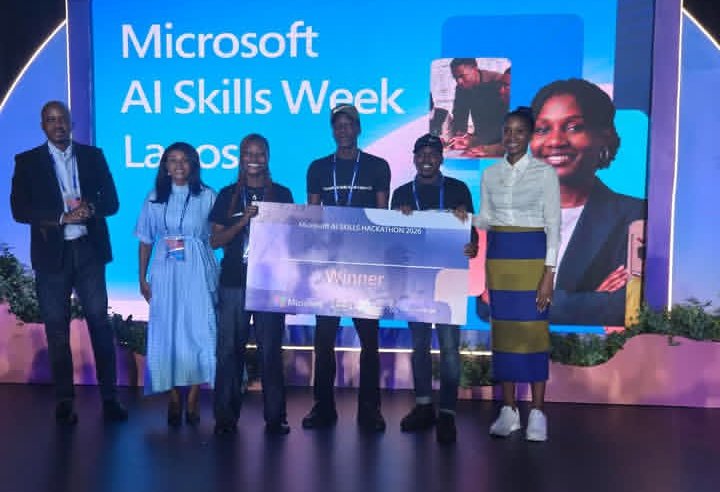

LAGOS, Nigeria, August 21, 2026: The Nigerian technology community is turning its attention to Lagos as 99 teams of students, developers, founders and emerging innovators come together for a major hackathon focused on building practical digital solutions.
The Thrive-In-Tech 6.0 Hackathon, taking place today, August 21, at GolfView Suites and Conference Centre in Ikeja, Lagos, is bringing young technology talents together under the theme “Build for Impact.” The event is part of the two-day Thrive-In-Tech 6.0 programme scheduled for August 21 and 22. According to the organisers, 99 teams have registered for the competition, just one team short of the 100-team capacity.
Rather than focusing only on coding, the hackathon is designed around real-world problems affecting Nigerians and other African communities.
Participants are working on ideas spanning artificial intelligence and machine learning, fintech, health technology, digital identity, cybersecurity, education, agritech and PropTech. The broad range of challenge areas gives teams room to apply their technical skills to problems that people and businesses encounter every day.
Also Read: Abia TechFlock 2026 Puts AI, Skills and the Future of Work in Southeast Nigeria Spotlight
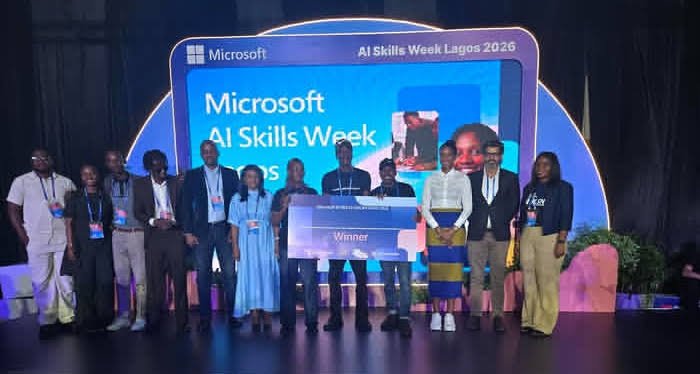
Students and developers put their skills to work
One of the interesting aspects of the Lagos hackathon is its emphasis on collaboration.
Teams can consist of between two and five members, creating an environment where developers can work alongside people with different skills and perspectives. For students and early-career technology professionals, this can provide valuable experience that is difficult to obtain from classroom learning alone.
Participants are expected to develop their ideas during the innovation sprint and demonstrate how their proposed solutions can address a genuine problem.
This practical approach matters in Nigeria’s technology ecosystem, where having technical knowledge is increasingly only one part of building a successful digital product. Young developers also need to understand users, identify viable problems, work in teams and communicate their ideas effectively.
The competition also gives participants an opportunity to meet other people within Nigeria’s growing technology community. The wider Thrive-In-Tech programme brings together technology professionals, founders, entrepreneurs, students and emerging innovators for mentorship, career development, networking and practical technology sessions.
For many participants, the value of the event could therefore extend beyond the final judging session. A connection made during the hackathon could lead to mentorship, employment, collaboration or even the development of a startup.
Back story: Why Nigeria needs more practical technology programmes
The Lagos hackathon comes as Nigeria continues to place greater attention on digital skills and technology entrepreneurship.
Across the country, young Nigerians are increasingly learning software development, artificial intelligence, data science, cybersecurity and other digital skills. However, there remains an important gap between learning a technical skill and knowing how to use it to solve a problem that people are actually facing.
Hackathons attempt to close that gap by putting participants under real development conditions. Instead of simply completing a course or watching tutorials, participants have to think about a problem, develop a solution, work with other people and present the result.
There is also growing evidence that Nigerian students can compete effectively when given opportunities to build with emerging technologies. In May, two University of Lagos teams stood out at the AI4Telco Hackathon, where they developed technology solutions as part of a competition focused on artificial intelligence and telecommunications.
This makes initiatives such as Thrive-In-Tech particularly relevant. They create spaces where young Nigerians can move from being consumers of technology to becoming builders of products and services.
The emphasis on artificial intelligence is also timely. AI is rapidly changing how software is developed and how businesses operate, increasing demand for people who understand not only the technology but also how to apply it responsibly to practical problems.
What happens after the Lagos hackathon
The competition is only one part of Thrive-In-Tech 6.0.
The main event continues on Saturday, August 22, with keynotes, panel discussions, practical sessions, mentorship, career opportunities and networking. The organisers have also announced that the physical attendance capacity has been filled, while people who cannot attend in person can participate through the virtual stream.
The immediate attention, however, remains on the 99 teams building today.
With only 100 places available, the final registration figure shows the level of interest among Nigerian technology builders in practical innovation opportunities. The challenge now is to ensure that promising ideas do not end when the hackathon ends.
A prototype created in a single day may not be ready for the market, but it can become the starting point for something bigger when its creators receive the right mentorship, funding and technical support.
For Nigeria, that may ultimately be the most important outcome of the Lagos hackathon. Beyond the competition and prizes, events like this can help create a generation of young people who are not only learning about artificial intelligence and digital technology, but are actively using them to build solutions for the problems around them.
Also Read: STEM Africa Fest Champions Innovation-Based Learning Across Africa