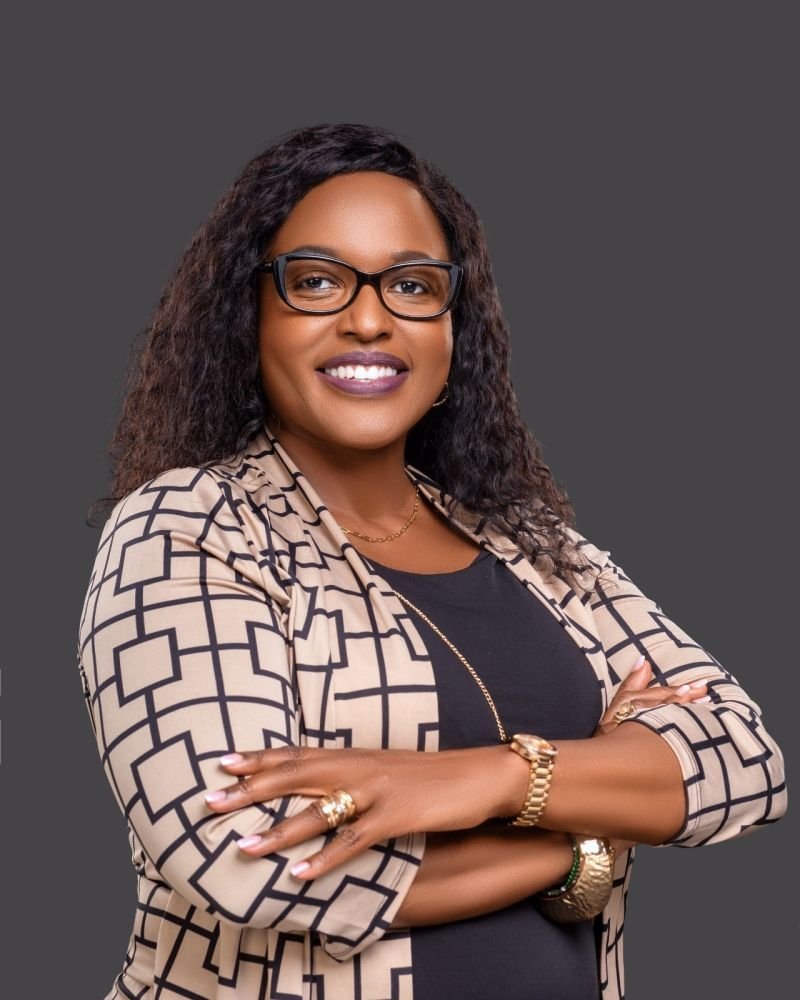

Microsoft has appointed Angela Nganga as its new Country Lead for East Africa, placing an experienced Kenyan technology executive at the centre of the company’s growing artificial intelligence, cloud computing and digital transformation activities across the region.
The appointment comes at an important time for Kenya and the wider East African technology ecosystem. The region is attracting increased attention from global technology companies, investors and governments as artificial intelligence moves from being an emerging technology to a major part of economic development.
Nganga, who is based in Nairobi, will oversee Microsoft’s engagement with governments, businesses, enterprise customers and startups across Kenya and the wider East African market. Her responsibilities will include supporting AI skills development, workforce readiness, digital transformation and the development of technology solutions designed around local challenges.
According to Microsoft’s announcement, the company has already positioned Kenya as an important base for its wider digital ambitions in Africa.
The new appointment therefore goes beyond a routine change in corporate leadership. It comes as Microsoft prepares to deepen its infrastructure, partnerships and AI activities in a market that is increasingly becoming one of Africa’s most important technology centres.
Also Read: South Africa’s 556MW AI Data Centre Plan Puts Power Grid Under Pressure
Angela Nganga Brings More Than a Decade of Microsoft Experience
Nganga joined Microsoft in 2012 and has worked across several senior positions within the company’s Middle East and Africa business.
Before becoming East Africa Country Lead, she served as Regional Director of Customer Success for East and West Africa. In that position, she worked on customer relationships, digital transformation and strategic engagements across the two regions.
She previously served as Microsoft’s Director of Corporate Affairs for the Middle East and Africa and also worked as Education Industry Director for Africa. These positions gave her experience working across government, education, enterprise and technology sectors.
Before joining Microsoft, Nganga held senior corporate affairs and public policy positions at Telkom Kenya and AAR Health Services.
Her more than 20 years of professional experience across technology, telecommunications, healthcare, public affairs and policy could prove useful as Microsoft seeks to work more closely with African governments and businesses.
Nganga said her immediate focus would be on building partnerships that can help East Africa strengthen its AI capabilities and prepare its workforce for an increasingly digital economy.
She also highlighted the need for African businesses to move beyond simply using technologies developed elsewhere and become creators of AI solutions themselves.
That point is particularly important for countries such as Nigeria, Kenya, South Africa and Rwanda, where policymakers are increasingly discussing how Africa can participate in the development of AI rather than becoming only a major market for imported technology.
Back Story: Why Kenya Matters to Microsoft’s African Strategy
Microsoft’s latest leadership decision comes against the backdrop of a much larger technology investment in Kenya.
In May 2024, Microsoft and G42 announced a $1 billion digital ecosystem initiative for Kenya, described by Microsoft as the largest single private-sector digital investment in the country’s history.
The investment includes plans for a green data centre in Olkaria, powered by renewable geothermal energy, alongside a new East Africa Cloud Region. Microsoft said the cloud region would provide access to Azure cloud and AI services for customers in Kenya and across East Africa.
The initiative also includes an East Africa Innovation Lab in Nairobi, AI skills development, local-language AI research, improved connectivity and collaboration with the Kenyan government on secure cloud services.
This infrastructure push makes the appointment of a regional leader particularly significant.
Microsoft is not simply selling software and cloud services in Kenya. It is building an ecosystem around cloud infrastructure, artificial intelligence, digital skills, startups and government technology.
Recent reporting by ITWeb Africa confirms that Nganga’s appointment fills a leadership position that had been vacant since the departure of Phyllis Migwi, who previously served as Microsoft’s Kenya Country Manager.
Kenya’s Technology Ambitions Could Have Wider African Impact
Kenya’s growing importance in the technology sector is not accidental. The country already has a strong reputation in mobile technology, fintech, digital payments and startup development.
Nairobi has also become an important meeting point for technology companies, investors, entrepreneurs and international organisations looking to develop solutions for African markets.
Microsoft’s increasing presence could strengthen that position, particularly as artificial intelligence creates demand for cloud infrastructure, computing capacity, digital skills and locally relevant applications.
For Nganga, the challenge will be turning this momentum into practical opportunities for businesses, workers and technology entrepreneurs.
That means helping organisations adopt AI responsibly, supporting startups developing African solutions and ensuring that workers acquire the skills required for jobs that are emerging around artificial intelligence.
As CIO Africa reports, her mandate includes working with governments, businesses and technology partners on AI, digital transformation and skills development.
The development is also worth watching from Nigeria and other parts of Africa. As countries compete to attract data centres, cloud investment, AI companies and digital talent, Kenya is positioning itself as more than a technology consumer.
The bigger question now is whether the continent can convert growing foreign technology investment into locally owned companies, intellectual property, jobs and solutions.
If that happens, Microsoft’s new East Africa leadership could become part of a much bigger story: Africa gradually moving from consuming global technology to helping build the next generation of it.
Also Read: Africa Can Lead the World by Building Ethical AI Education Standards