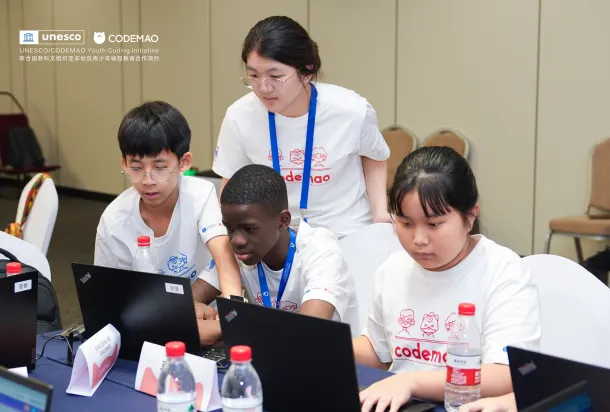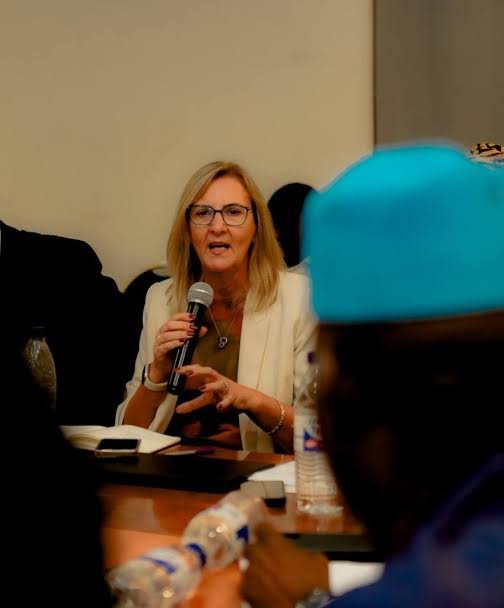

Africa is standing at a defining moment in the global artificial intelligence conversation. While many countries are racing to deploy AI tools in classrooms, experts say the continent has an opportunity to shape something even more valuable by creating ethical education standards that reflect African realities, cultures and values.
Rather than copying frameworks developed elsewhere, education leaders are increasingly calling for AI policies that prepare learners to use the technology responsibly while addressing issues such as fairness, privacy, transparency and inclusion. Researchers argue that Africa’s young population, rich cultural diversity and rapidly growing digital economy place the continent in a strong position to influence how future generations interact with artificial intelligence.
This conversation comes as governments, universities and technology organisations across Africa continue investing in AI education. However, experts believe technical skills alone will not be enough. Students must also understand the ethical consequences of using AI in learning, business, healthcare and public services.
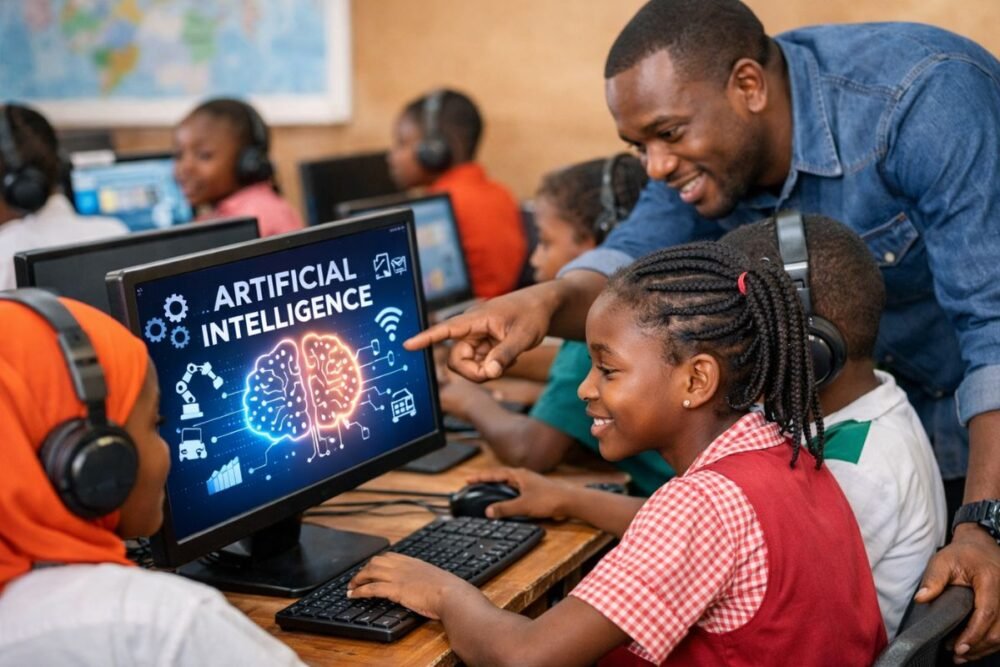
Education specialists say AI literacy should go beyond teaching learners how to use chatbots or automation tools. Instead, schools should encourage critical thinking, responsible decision-making and the ability to question AI-generated information before accepting it as fact. Such an approach could help reduce misinformation, algorithmic bias and misuse of emerging technologies.
Across the continent, policymakers are exploring ways to ensure AI education reflects local languages, traditions and social realities rather than relying entirely on imported models. This, experts say, will make digital learning more inclusive and prepare students to solve African challenges with African solutions.
Also Read: Education Leaders Share Practical Roadmap for Safe AI Use in Schools
Why Ethical AI Education Matters for Africa
Artificial intelligence is already transforming education, healthcare, agriculture, finance and public administration. As its influence expands, many education experts believe ethical awareness should become a core part of every learner’s digital education.
Studies have shown that AI systems can unintentionally reinforce bias if they are trained on incomplete or unbalanced data. Without proper education, students may struggle to recognise these limitations or question the accuracy of AI-generated content.
Experts also warn that excessive dependence on AI could weaken creativity, independent thinking and problem-solving if learners begin accepting machine-generated answers without analysis. Ethical education encourages students to treat AI as a support tool rather than a replacement for human judgement.
Teacher training is equally important. UNESCO’s AI Competency Framework for Teachers encourages countries to equip educators with knowledge covering ethical principles, human-centred learning, AI applications and responsible classroom use. The framework is designed to help governments create national standards suited to their own education systems.
Universities around the world are also reconsidering how AI should be integrated into teaching. While many institutions are embracing the technology, concerns remain over academic integrity, unequal access to digital tools and the financial cost of implementation, particularly in developing countries.
For Africa, balancing innovation with responsibility could become a competitive advantage. By embedding ethics from the beginning, education systems can produce graduates who are not only skilled in AI but also capable of building trustworthy technologies.
Also Read: Why Schools Should Lead AI Education Instead of Banning Technology
Back Story
The conversation around ethical AI education has gained momentum over the past two years as African governments, researchers and international organisations seek to prepare schools for the digital age.
UNESCO has supported several African countries in developing AI competency frameworks while promoting local language learning and responsible classroom adoption of artificial intelligence. Pilot programmes in countries including Benin, Burundi, Côte d’Ivoire and Senegal are helping shape national approaches that reflect local educational priorities rather than relying solely on global templates.
Recent academic research has also proposed Pan-African AI education frameworks that combine internationally recognised ethical principles with African philosophies such as Ubuntu. These studies argue that ethical AI education should prioritise social responsibility, community values, cultural relevance and critical thinking from primary through secondary education.
At the same time, economic forecasts continue to strengthen the investment case. According to the International Monetary Fund, artificial intelligence could increase Sub-Saharan Africa’s economic output by about four percent over the next decade if countries improve electricity supply, internet connectivity and digital skills. Without these investments, however, the benefits of AI are expected to remain limited.
Africa’s Next Step in the AI Era
The debate is no longer about whether artificial intelligence will become part of African education. That transition has already begun. The real question is what kind of AI education the continent wants to build.
Many education leaders believe Africa has an opportunity to become a global reference point for ethical AI learning by designing standards that are inclusive, practical and rooted in local realities. Such standards could help students develop technical competence while protecting human rights, encouraging innovation and strengthening public trust in emerging technologies.
Achieving that vision will require collaboration between governments, schools, universities, technology companies and civil society. Investment in teacher training, curriculum development, digital infrastructure and research will also be essential.
If these efforts succeed, Africa may not simply adapt to the global AI revolution. It could help define what responsible AI education looks like for the rest of the world.