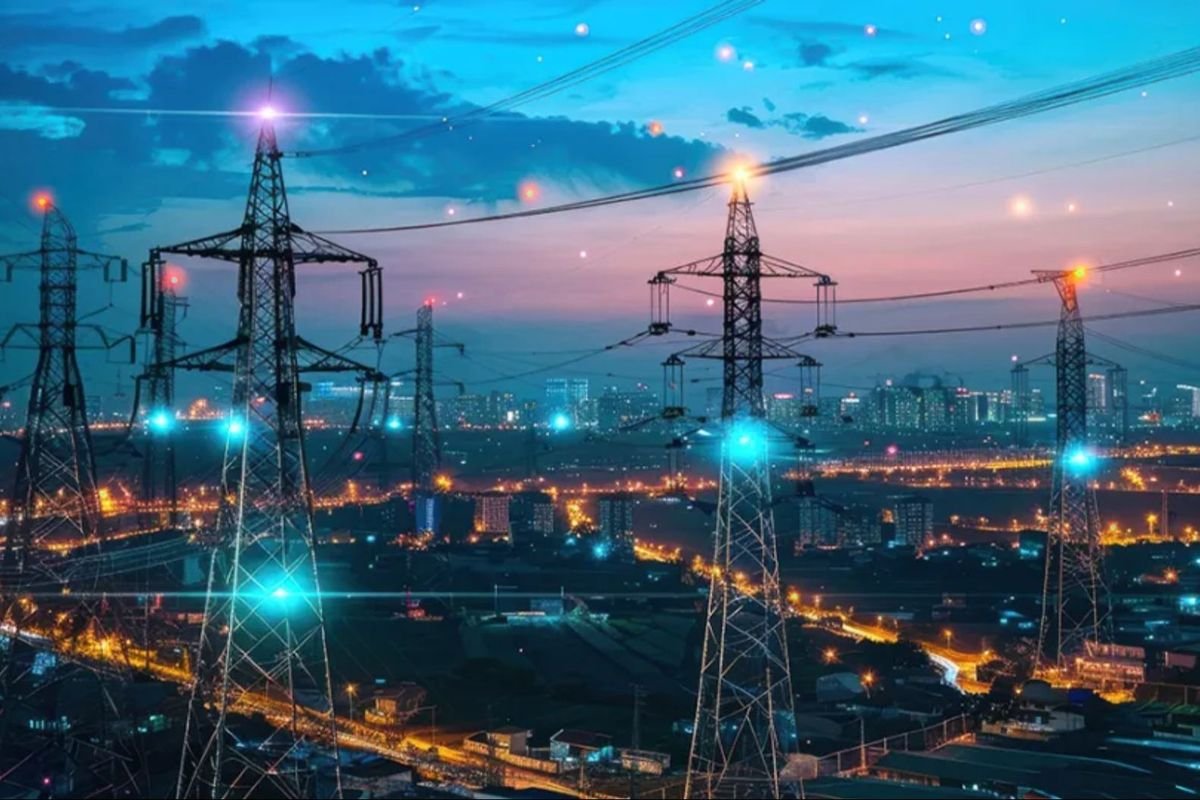

Federal policymakers are presenting Nigeria’s power reforms global energy security model as a practical roadmap for developing nations. Minister of Power Chief Adebayo Adelabu highlighted these structural changes at an international energy summit. He emphasized that decentralizing electricity markets can stabilize fragile national grids.
The Minister explained that regulatory changes implemented under the Electricity Act 2023 allowed state governments to establish independent electricity markets. This shift attracted fresh private capital into regional generation and distribution networks. Consequently, federal authorities argue that this framework offers valuable lessons for countries balancing fossil fuel transition with grid reliability.
Backstory: Moving Beyond Centralized Grid Instability
For decades, Nigeria’s power sector suffered from chronic structural weakness. A single, centralized national grid managed all transmission, leaving millions exposed to frequent system collapses. Furthermore, generation companies frequently operated below capacity due to unpaid gas debts and severe liquidity constraints across the value chain.
To address these historical issues, federal authorities initiated a comprehensive reform program:
- 2023: President Bola Tinubu signed the Electricity Act, breaking the federal government’s monopoly on power generation and distribution.
- 2024–2025: Over 16 states established local electricity regulatory boards, allowing sub-national governments to issue operational licenses.
- Early 2026: Sector revenues rose by 70% following the adoption of cost-reflective tariffs. Meanwhile, legacy debts dropped from N2.3 trillion to N146 billion.
- Mid-2026: National peak generation reached 5,801 megawatts, marking a significant operational milestone.
These structural updates shifted the energy market from total state control toward a decentralized, commercially viable architecture.
Also read Why Nigeria’s Power Sector Contracts Again Despite Broader Economic Expansion
Lessons in Financial Recovery and Sub-National Market Execution
Decentralization has brought tangible operational improvements across the country. By allowing states like Lagos, Kaduna, and Enugu to license independent power producers, localized mini-grids now support high-demand industrial hubs directly.
Additionally, the Presidential Metering Initiative helped close long-standing revenue collection gaps. Supported by a $500 million World Bank facility and funds from the Federal Account Allocation Committee, operators continue deploying millions of smart meters to ensure accurate billing.
According to official updates published by Nairametrics, these policy adjustments helped attract over $2 billion in private sector investment across the power value chain.
Building Long-Term Resilience for Emerging Economies
Energy analysts note that Nigeria’s strategy balances short-term grid stabilization with long-term transition goals. By upgrading natural gas power infrastructure while expanding solar mini-grids in rural areas, the country addresses both immediate energy poverty and long-term carbon commitments.
“Energy security is no longer just about generating electricity; it is about building flexible, decentralized systems that can withstand economic shocks,” stated Chief Adebayo Adelabu during his address.
Ultimately, these ongoing market adjustments demonstrate that targeted regulatory reform can rebuild investor confidence and strengthen baseline energy security across fast-growing developing nations.