

Ororo Waste Management Limited, a Nigerian climate-tech company focused on used cooking oil, has secured up to $1 million from Rising Tide Africa as it prepares to expand its collection network beyond Lagos, Abuja and Port Harcourt.
The investment, valued at about ₦1.4 billion, is structured through a corporate note. Ororo received the first tranche on September 16, 2026, while additional tranches may be released through December 16, according to The Punch. The funding will support collection infrastructure, purchases of used cooking oil from collectors and working capital for the company’s hubs.
The deal comes as Nigeria’s used cooking oil market remains largely informal. For Ororo, the opportunity is not simply to collect waste oil, but to build a reliable system that can collect, document, store and move it into international markets.
Also Read: Nigeria’s Digital Cloud Policy Targets $750 Million Private Investment in Two Years
Funding Targets More Collection Hubs and Better Infrastructure
Ororo currently operates three collection hubs in Lagos, Abuja and Port Harcourt, but its new five-year plan is much larger. The company wants more than 40 hubs across Nigeria by 2031.
The funding will go towards practical infrastructure such as drums, trucks, hub storage, feedstock purchases and operating costs. It will also help support same-day payments to collectors, giving people at the grassroots a more predictable way to earn from used cooking oil.
BusinessDay reports that Ororo uses GPS and QR-code technology to trace transactions from collectors to export containers, while payments are made through mobile money. Ororo also holds International Sustainability and Carbon Certification, or ISCC, which supports traceability requirements for international buyers.
Ayo Banjo, co-CEO of Ororo Waste, said the investment would help fund the physical systems needed to maintain a dependable supply chain. The company plans to grow its formally paid collector network from about 5,000 people currently to more than 200,000 by 2031.
Women are expected to account for at least half of newly onboarded market-level collection points, with the proportion potentially reaching 75 per cent.
Nigeria’s Used Cooking Oil Waste Is a Growing Opportunity
The scale of Nigeria’s waste stream helps explain the interest from investors. Ororo estimates that the country generates about 840,000 metric tonnes of used cooking oil annually, with more than 95 per cent currently uncaptured.
Much of this oil is either discarded or handled informally. According to The Punch, poor disposal can contribute to blocked drains and waterways, while unsafe reuse in food preparation can create public health concerns.
There is also a growing commercial market for used cooking oil. The material can serve as feedstock for biodiesel and sustainable aviation fuel, linking local waste collection to international demand for lower-carbon fuel inputs.
BusinessDay reports that Ororo is targeting more than 150,000 metric tonnes of certified used cooking oil collection annually by 2031. That would represent roughly 18 per cent of Nigeria’s estimated annual volume.
The opportunity is therefore bigger than waste disposal. With proper collection and traceability, used cooking oil can become a source of income for informal workers and a valuable input for global fuel markets.
Back story: Ororo’s Push to Formalise Oil Collection
Founded in 2021, Ororo Waste has been building a collection and export model around used cooking oil from businesses, households, markets and other generators. The company says it has exported thousands of metric tonnes without quality rejections and has developed relationships with international offtakers.
The latest investment builds on a July programme involving Ororo, the Lagos State Environmental Protection Agency, Shell Foundation and the Waste Pickers Association of Nigeria. About 250 market women, waste pickers and youths were trained in safe collection, handling and storage, alongside quality assurance and traceability.
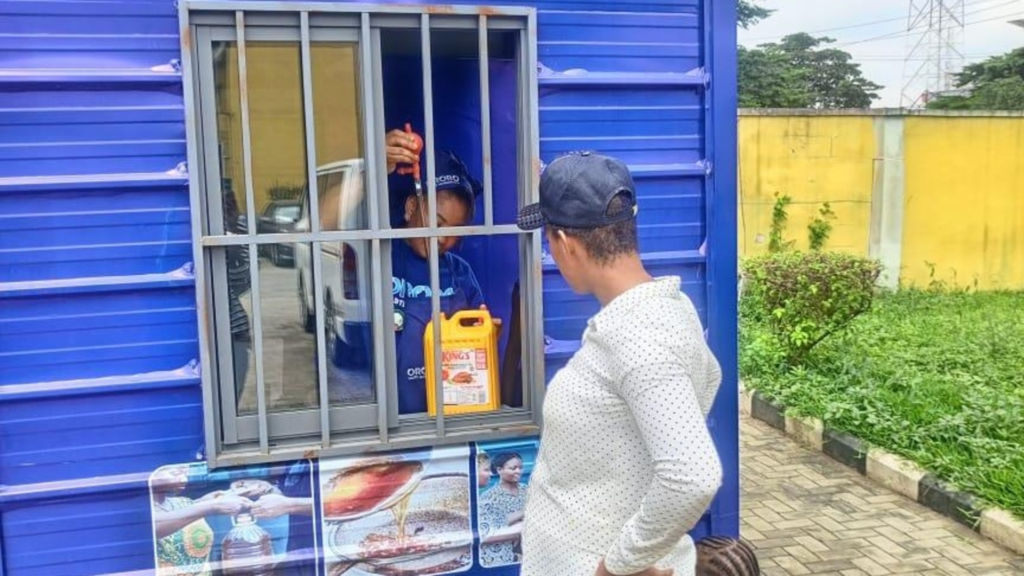
LASEPA has also documented its partnership with Ororo and Shell Foundation to launch household used cooking oil collection kiosks in Lagos, presenting the initiative as a way to protect the environment while creating income opportunities for micro-entrepreneurs.
Rising Tide Africa, the investor behind the commitment, is a women-led pan-African angel investment network that focuses on early-stage businesses and women-oriented investment. Its co-founder, Yemi Keri, said the funding reflects a gender-lens approach by supporting infrastructure that can improve earnings for women and other informal collectors already creating value in the supply chain.
Ororo’s next test will be execution. Moving from three hubs to more than 40, while expanding its collector network from about 5,000 to over 200,000, will require consistent quality, strong logistics and reliable traceability.
The model points to a useful possibility for Nigeria: waste normally poured away could become an organised commodity, while collectors gain a more formal route to income.
Also Read: Dangote, PETROAN Justify Fuel Price Hike, Nigerians Lament