
Artificial intelligence (AI) is reshaping education and employment, prompting experts to urge Nigerian students, teachers and young professionals to prepare for a future in which digital technology will play a growing role in learning and work.
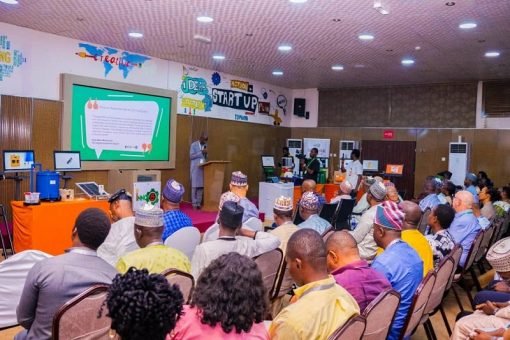
The warning came at the StudyIn Global Study Conference 2026 in Lagos, where education and technology professionals discussed how AI is influencing career choices, university education and the skills employers will need in the coming years.
According to a report by Vanguard, the experts stressed the importance of helping learners understand the changes taking place and make informed decisions about their education and professional development.
The discussions come as AI tools become increasingly accessible to students and workers, creating opportunities to improve productivity while raising questions about the readiness of educational institutions and the workforce.
AI Expected to Become a Workplace Collaborator
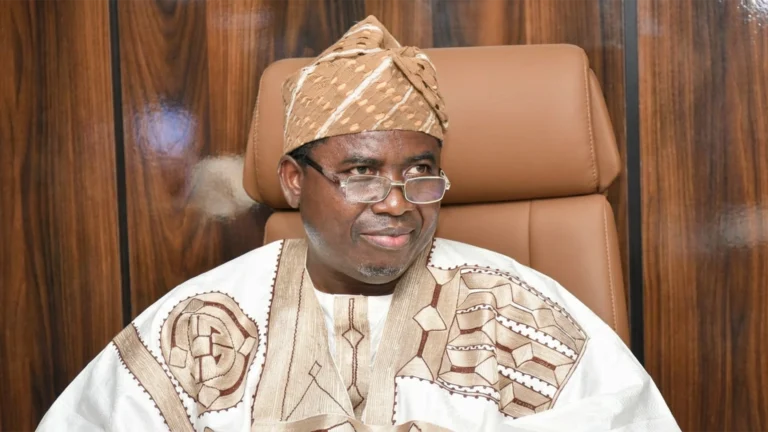
Dr Lola Olukuewu, a chief artificial intelligence officer and the conference’s keynote speaker, called on Nigerian learners to prepare for the changes AI will bring to different professions.
She warned that the pace of technological development means young people cannot afford to wait until they enter the labour market before acquiring relevant digital skills.
Olukuewu said AI could become a regular workplace collaborator within the next three to five years, including in African workplaces. Rather than viewing the technology only as a competitor, she encouraged learners to understand how it could support human workers and improve the way organisations operate.
Her remarks suggest that future employees may need to combine knowledge of their chosen professions with the ability to work effectively alongside AI systems.
This shift is not limited to technology-related jobs. AI tools can support research, communication, data analysis and administrative work across different sectors, making digital competence increasingly relevant to people pursuing careers outside computer science.
The International Labour Organization also reported in August 2026 that wider AI adoption is changing workplace skill requirements, increasing the importance of digital and AI literacy, adaptability, critical thinking and interpersonal abilities.
Also Read: Nigeria’s Education Leaders Urge Responsible AI Use to Boost Skills and Employability
Education Systems Must Keep Pace With AI
Olukuewu also expressed concern about the gap between Nigeria’s educational curriculum and the demands of an economy increasingly influenced by artificial intelligence.
Her position highlights a challenge for schools, universities and policymakers: preparing students for a labour market that may change faster than traditional academic programmes.
Students need more than theoretical knowledge. They must also learn how to apply what they know, evaluate information, solve problems and use emerging technologies responsibly.
For Nigerian institutions, responding to this shift could involve reviewing course content, supporting teachers with relevant training and introducing practical opportunities for students to develop digital skills.
However, adopting AI should not mean allowing technology to replace the essential role of teachers. Educators remain important in helping learners understand complex ideas, question information and develop independent judgement.
The World Economic Forum’s analysis of AI and education has similarly highlighted the potential for collaboration between AI tools and human educators.
The challenge is to ensure that technology strengthens teaching and learning rather than becoming a substitute for meaningful instruction.
Also Read: Why AI Skills Are Becoming Essential Across Every Profession