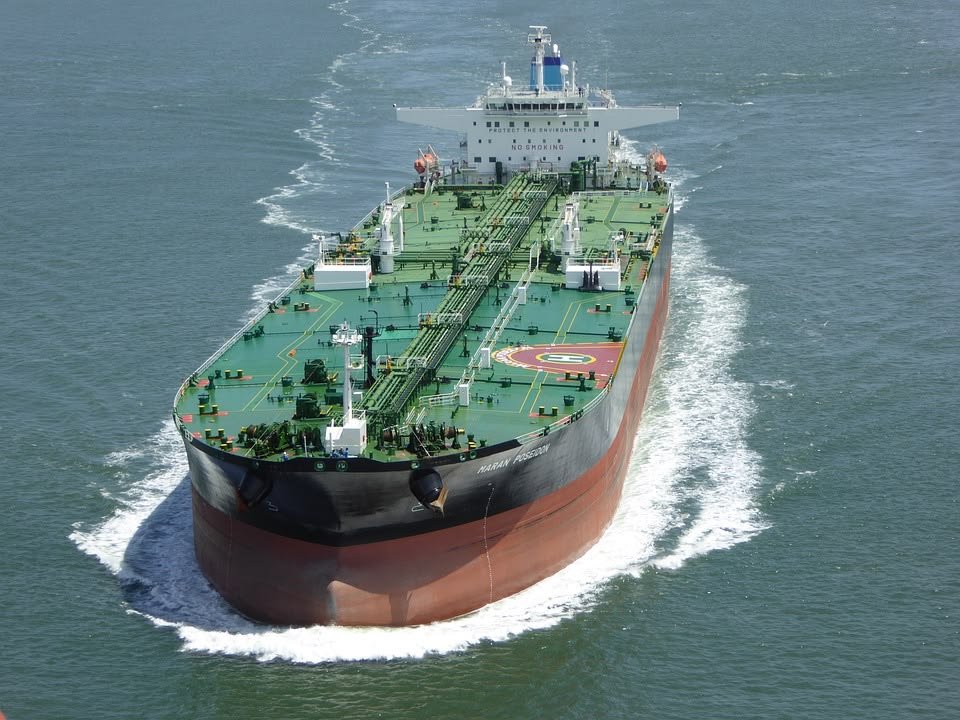

Global energy markets witnessed further price rallies as the Nigerian Bonny Light crude oil price touched $115 per barrel following renewed maritime attacks in the Strait of Hormuz.
According to trading disclosures released on October 24, 2026, Nigeria’s premium sweet crude benchmark traded higher alongside international futures, while West Texas Intermediate (WTI) settled around $103 per barrel. Furthermore, energy market analysts attributed the price escalation to supply-side security fears after military disruptions and vessel attacks swept through primary Middle Eastern transit routes.
Backstory: Navigating Geopolitical Supply Shocks and Export Revenue Fluctuations
To understand why maritime tensions in the Persian Gulf directly influence Nigerian crude valuations, we must look at the history of global petroleum pricing benchmarks. Historically, geopolitical conflicts in major Middle Eastern shipping corridors immediately inflate global risk premiums, pushing up international benchmarks like Brent crude.
Because Nigerian crude grades like Bonny Light are highly prized for their low sulfur content and high gasoline yields, international refiners bid aggressively for Atlantic Basin supplies whenever Persian Gulf routes face potential blockades. Over past decades, price surges provided temporary fiscal windfalls for the federal government, boosting foreign exchange reserves and statutory revenue allocations. However, higher global crude costs simultaneously elevate domestic landing costs for refined petroleum products, placing renewed upward pressure on local retail fuel prices across the country.
Also read Government Approves Nigerian Seaport Modernization Plan to Boost Trade
- Global Benchmark Rally: International crude futures surged past $111 per barrel before Bonny Light touched $115 amid supply bottleneck fears.
- Fiscal Dual Impact: Surging oil prices expand government foreign exchange earnings while simultaneously raising domestic fuel landing expenses.
- Upstream Focus: Expanding domestic crude output remains essential for Nigeria to fully capture higher international market revenues.
Balancing Foreign Exchange Earnings With Local Fuel Price Pressures
As energy traders and macroeconomic policy advisers track international crude benchmarks, maintaining steady domestic crude production will determine fiscal outcomes.
“Higher global crude prices boost fiscal revenues, but sustaining long-term benefits requires maximizing domestic output while buffering local consumers from refined product price shocks,” noted energy policy experts reviewing market trends.
In summary, watching the Nigerian Bonny Light crude oil price climb past $115 per barrel highlights how sensitive domestic finances remain to international geopolitical events. Maximizing crude export volumes will be key to strengthening national fiscal buffers.
References & Citations
- Energy Market Trading Disclosures / Nairametrics (Oct 24, 2026): Nigerian Bonny Light hits $115 a barrel as Strait of Hormuz attacks surge, Lagos & London.
- International Energy Benchmark Summaries & Petroleum Price Updates (2026): Global Crude Oil Volatility and Domestic Fuel Landing Cost Analysis, Abuja & London.