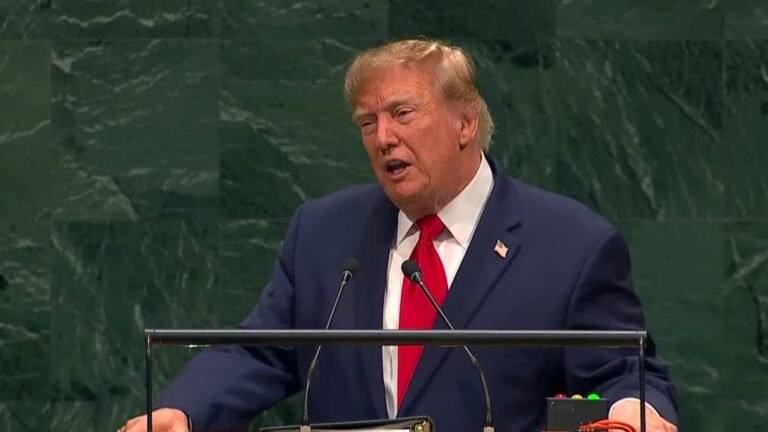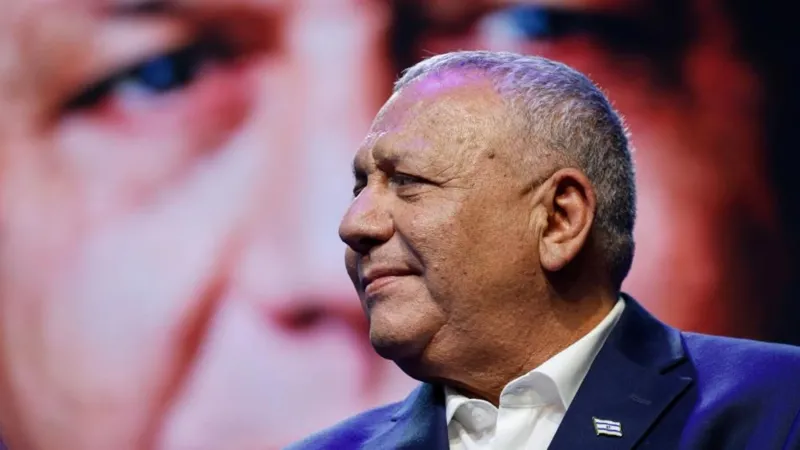

Following last week’s Israeli election, President Isaac Herzog announced that he will task opposition leader Gadi Eisenkot with forming a new coalition government.
With neither Prime Minister Benjamin Netanyahu’s bloc nor Eisenkot’s faction securing a parliamentary majority in the 120-seat Knesset, Herzog held consultations with political parties before making the decision.
Eisenkot now has 28 days to build a new administration, with a potential 14-day extension. Because no Israeli political party has ever won an outright majority, all governing administrations in the country operate as coalitions.
In the recent election, Netanyahu’s right-wing Likud party alongside its ultra-Orthodox and far-right allies secured 53 seats, while Eisenkot’s centrist Yashar party and three allied opposition factions captured 48 seats.
Bolstered by a surge in Arab voter turnout, two Arab-led coalitions—the United Arab List and the Joint List—secured a historic 19 seats, positioning themselves as potential kingmakers. However, prior to the election, all but one of the Jewish parties pledged not to partner with them in forming a government.
Following a week of consultations with political factions, President Isaac Herzog announced his decision to task Eisenkot with forming the initial cabinet.
According to a statement from the president’s office, both Netanyahu and Eisenkot were formally notified of the decision.
The announcement noted that during meetings with newly elected Knesset representatives, Eisenkot received 67 recommendations for the premiership, compared to 46 for Netanyahu.
Under Israeli law, the president is not bound to select the leader of the party that secured the most seats, but instead holds the discretion to appoint the candidate deemed most capable of assembling a viable coalition government.
Backstory…
Israel’s latest political deadlock follows the October 27, 2026 general election, in which neither Prime Minister Benjamin Netanyahu’s ruling bloc nor the opposition secured the 61 seats required for a majority in the 120-member Knesset.
Netanyahu’s Likud-led alliance won 53 seats, while opposition leader Gadi Eisenkot’s coalition secured 48, leaving the two Arab-led parties, which together won 19 seats, in a potentially decisive position.
Recall that in 2020, Prime Minister Benjamin Netanyahu and centrist rival Benny Gantz finalized a power-sharing agreement to form a joint administration following three consecutive inconclusive elections.
Read Also: Netanyahu, Rival Fail to Secure Majority as Israel Election Produces Deadlock