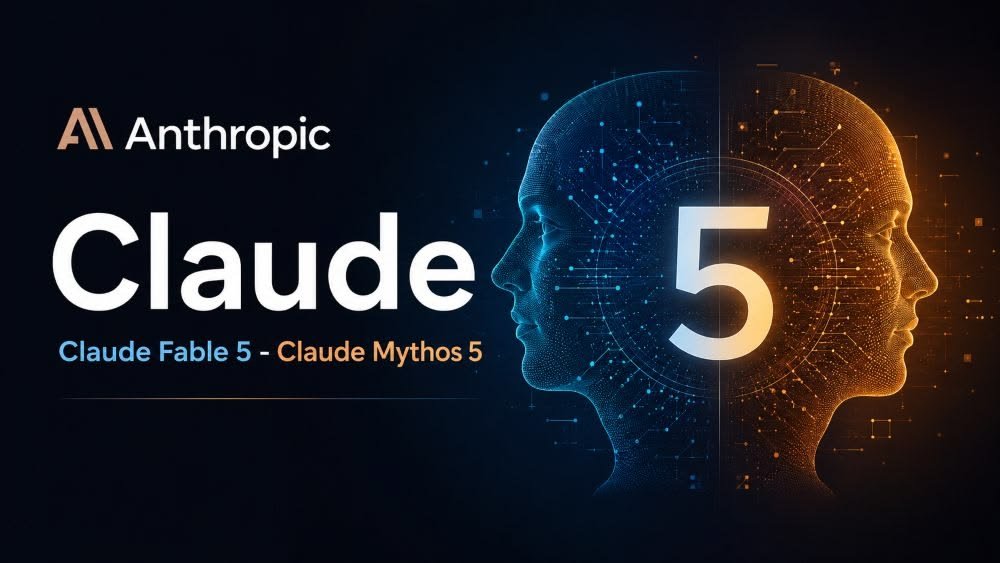
The intense global battle for artificial intelligence dominance just took an unexpected corporate turn. Specifically, the United States government has officially rolled back its sweeping export ban on Anthropic’s highly advanced AI model, Claude Mythos 5.
This major administrative shift will now grant immediate software deployment clearance to over 100 trusted American enterprises, critical infrastructure providers, and specialized cybersecurity agencies. Consequently, the high-stakes decision marks an explicit de-escalation of a severe regulatory showdown that had briefly threatened to paralyze the American technology landscape.
The Backstory: Why Washington Panicked and Pulled the AI Plug
To comprehend why this sudden policy reversal matters so much, we must look closely at the regulatory storm that began on June 12.
Originally, the Trump administration placed Anthropic on a highly restrictive trade blacklist, labeling the premier safety-first startup a potential “supply chain risk”. This sudden government action occurred after federal intelligence agencies raised red flags about a multi-million-dollar partnership.
Also read Anthropic & Pearson Expand AI Tools in Higher Ed: A New Era for Universities and Students
Specifically, officials feared that a South Korean telecommunications giant utilizing Mythos 5 maintained backdoor connections to political interests in China. Simultaneously, corporate tech leaders warned the White House that the public-facing twin model, Fable 5, could be maliciously jailbroken.
Therefore, the government completely froze Anthropic’s entire digital operation, sparking massive panic across Silicon Valley.
Dissecting the Strict Terms of the Restricted Release
The new authorization is far from a total return to normal business operations. It functions more like a heavily guarded, strategic compromise
Consequently, the commercial software remains carefully guarded behind strict federal surveillance protocols. U.S. Commerce Secretary Howard Lutnick explicitly confirmed that Anthropic has integrated additional safeguards to prevent digital exploitation.
Furthermore, the government has granted a vital compliance waiver allowing approved foreign-national employees at Anthropic to work on the technology. Thus, while general software engineers are still waiting for the public return of Fable 5, America’s core data networks can finally utilize the model’s unmatched coding and defense automation capabilities.
Blending Automated Production Scales with Human Editorial Vision
Navigating the complex landscape of federal technology restrictions requires a purposeful marriage of automated speed and human journalistic experience.
Consequently, while automated tools can quickly parse heavy legislative filings and outline raw financial text, they lack the capacity to judge systemic industry impacts. Only an expert editor can see how these temporary workarounds establish a permanent blueprint for how Washington controls digital code.
Also read Qualcomm Gains as OpenAI Eyes AI-Powered Smartphone Chips
Interestingly, OpenAI launched its rival GPT-5.6 model under an identical, government-validated rollout on the exact same day. Moving forward, the tech community must adapt to this new normal, where the release of cutting-edge code is dictated entirely by national defense agendas.