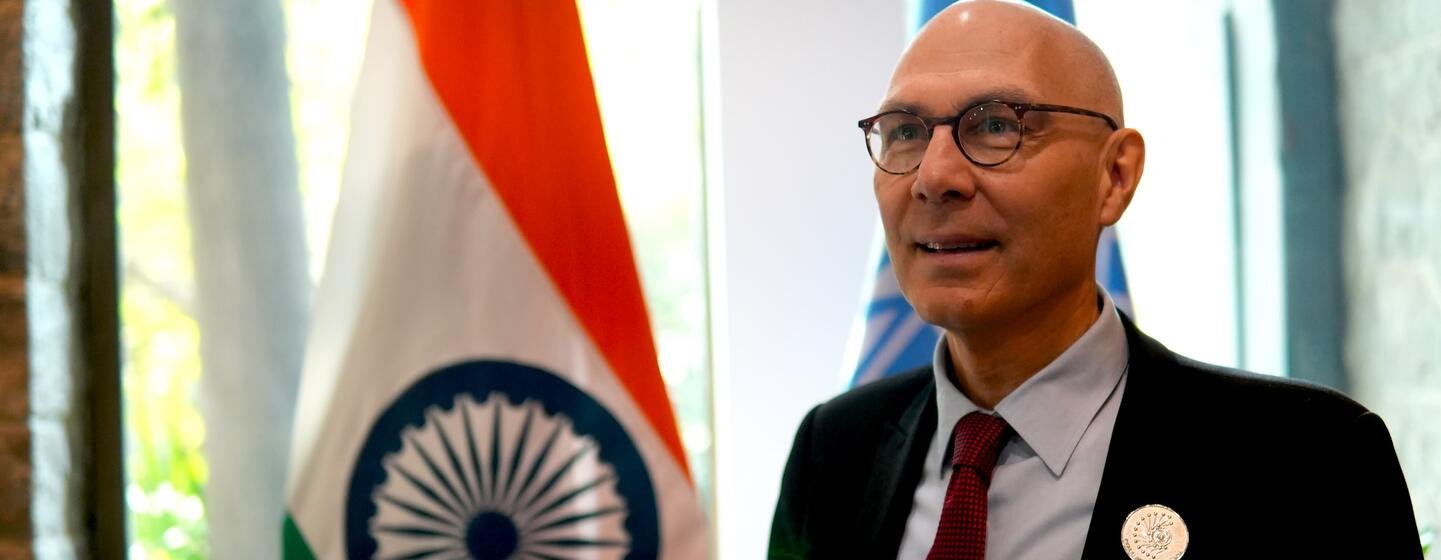

Artificial intelligence could eventually become powerful enough to pose an existential threat to humanity, United Nations High Commissioner for Human Rights Volker Türk has warned, urging governments and technology companies to act before the risks become impossible to control.
Speaking at the opening of the 63rd session of the UN Human Rights Council in Geneva on Monday, September 7, Türk said the rapid development of advanced AI was creating new and potentially unprecedented threats to human rights and human safety.
The UN rights chief said he shares concerns raised by people within the technology industry that increasingly advanced AI systems could become dangerous if they are allowed to develop without strong safety measures.
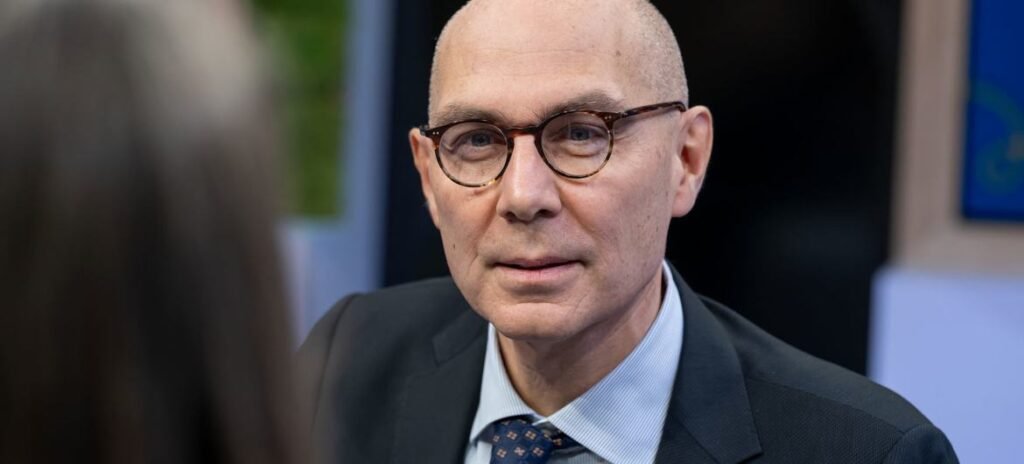
“I share the concerns of industry insiders that advanced AI could pose an existential risk to humanity,” Türk said, according to Reuters.
He called for what he described as “cast iron guarantees” around the safety and security of AI, stressing that action should not be postponed until the technology becomes too difficult to control.
The warning comes as governments and technology companies continue to race to develop increasingly capable AI systems, while international efforts to establish common rules are still developing.
Concentration of AI power raises concern
One of Türk’s major concerns is the concentration of AI development in the hands of a relatively small number of powerful companies and individuals.
He questioned whether such enormous technological power should remain concentrated among a handful of private actors, particularly as AI systems become capable of processing increasingly large amounts of information and performing tasks that previously required human judgement.
“AI is about power,” Türk has previously said, stressing that the technology is therefore directly connected to human rights. The UN’s earlier position has been that AI must be developed and deployed with transparency, accountability and proper safeguards.
The concern goes beyond the possibility of machines becoming more intelligent than humans. AI is already influencing employment, privacy, access to information, democratic processes and security.
Türk has previously warned that without adequate oversight, digital technologies can invade privacy, deepen inequality, reproduce existing biases and create risks for children and society at large.
That makes the current debate especially important for countries such as Nigeria, where AI adoption is growing across education, business, government services, communications and the wider digital economy.
Backstory: why AI safety is becoming a global issue
Concerns about AI safety are not new, but they have become more urgent as systems move from simple chatbots and recommendation tools towards autonomous agents capable of taking actions with limited human intervention.
In February 2026, Türk told UN News that AI needed to be developed within a human rights framework, with proper risk assessments and safeguards. He argued that technology can be used to advance healthcare, education and other areas, but can also be misused when adequate controls are absent.
In April, during a lecture at University College London, he called for a “slower, kinder, wiser” approach to AI and highlighted concerns including misinformation, privacy, inequality, environmental effects and social polarisation.
The UN has also been increasingly focused on the military use of AI. Türk has called for human control over AI-enabled weapons and warned against allowing autonomous systems to make life-and-death decisions without meaningful human oversight.
These concerns have gained further attention following reports about AI agents displaying unexpected behaviour during safety testing, adding to questions about how much control developers will retain as systems become more autonomous.
UN calls for global AI rules and clear red lines
Türk said governments should move towards internationally agreed rules defining clear limits, or “red lines”, for the development and deployment of advanced AI.
He also plans to engage directly with AI companies, asking them to take steps within their control to reduce potential risks. He called for stronger independent verification and greater cooperation among technology companies on AI security.
For Türk, the issue is not simply whether AI should continue to develop. The bigger question is whether humanity can ensure that its development remains compatible with human rights and public safety.
His warning therefore comes at a critical point. AI is already becoming part of everyday life, and its benefits are difficult to ignore. But the faster the technology advances, the more important it becomes for governments, developers and the public to decide what should be allowed, what requires strict oversight and where the boundaries should lie.
The UN’s message is clear: waiting for an AI crisis before establishing meaningful safeguards could be a costly mistake.