
Google is changing how students interact with artificial intelligence by introducing learning tools that encourage understanding rather than simply providing answers. The update, announced on November 3, 2026, brings Guided Learning capabilities to Google Classroom globally and introduces plans to test similar features in Google Search.
For students, the development could change how they approach difficult assignments. For schools, however, it raises a bigger question about whether artificial intelligence should become an essential part of the learning environment, particularly as teachers and education authorities continue to debate its influence on academic performance.
Google’s New AI Tools Focus on Teaching, Not Just Answering Questions
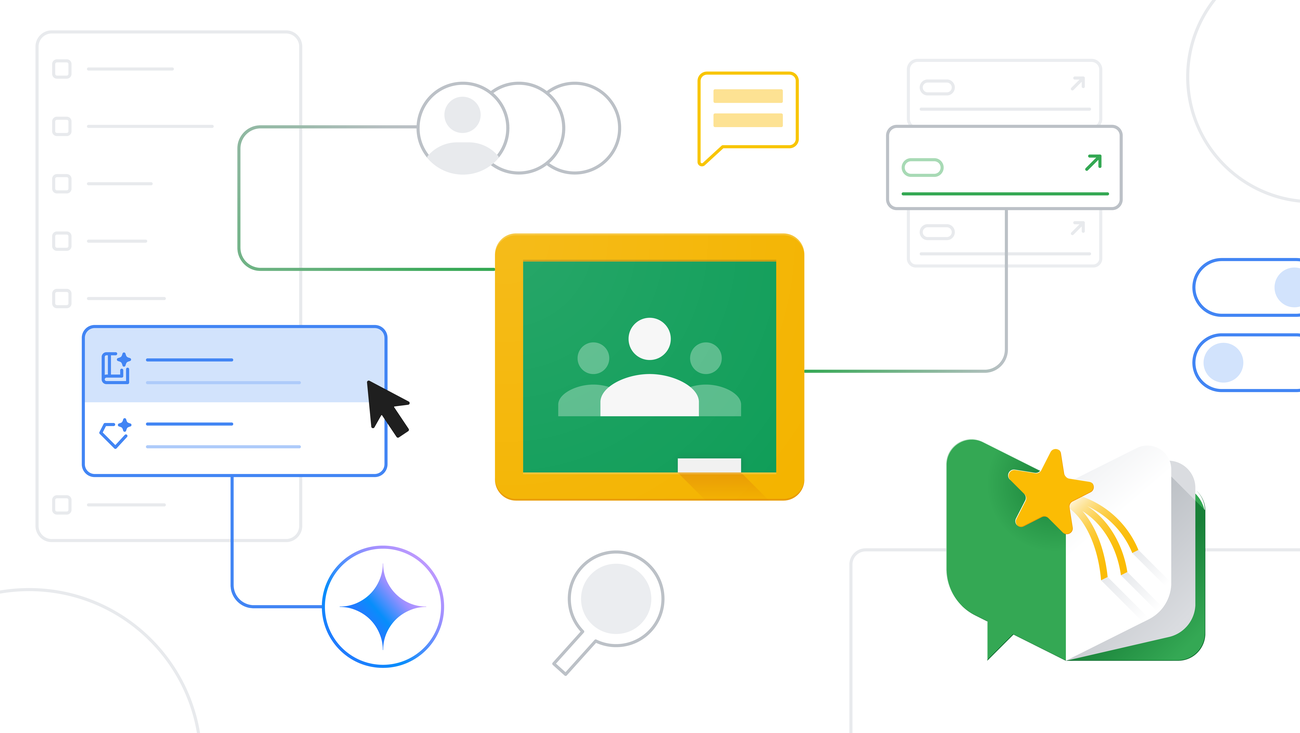
The central feature of Google’s announcement is Guided Learning, an AI-powered experience designed to help students work through complicated subjects using questions, explanations, hints and step-by-step guidance.
Unlike conventional AI interactions that can produce a completed answer to a homework question, Guided Learning encourages students to understand the reasoning behind a solution.
For example, a student struggling with a physics problem can receive guidance on identifying the relevant principles and working through the calculations rather than immediately receiving the final answer.
Google is introducing this capability in Search for student accounts, with an initial pilot planned for selected schools in the United States later in November.
The Google Classroom integration is already rolling out globally. Teachers can attach Guided Learning activities to assignments and select classroom materials that provide context for the AI-generated assistance. According to Google’s November 4 Workspace update, the feature is available in Gemini-supported languages for eligible Google Workspace for Education editions.
Also Read: Can AI Explain Nigerian Science Lessons Correctly in Pidgin English?
Why Google’s Approach Matters for Teachers and Schools
One important difference between Guided Learning and ordinary AI chatbots is the level of teacher involvement.
Educators can create activities around their teaching materials, while Google Classroom provides AI-generated summaries of students’ interactions. Teachers can use these insights to identify concepts learners find difficult and determine where additional explanations may be necessary.
Google says the feature draws on its LearnLM research, which focuses on improving how AI supports education.
The company also published findings from a randomised controlled trial involving more than 300 University of Tokyo students. Google reported improvements associated with Guided Learning and positive feedback from participating students and educators.
However, these findings are company-published research and should not be interpreted as proof that the technology will produce identical results across different educational systems.
What Nigerian Students Could Gain and What Schools Must Consider
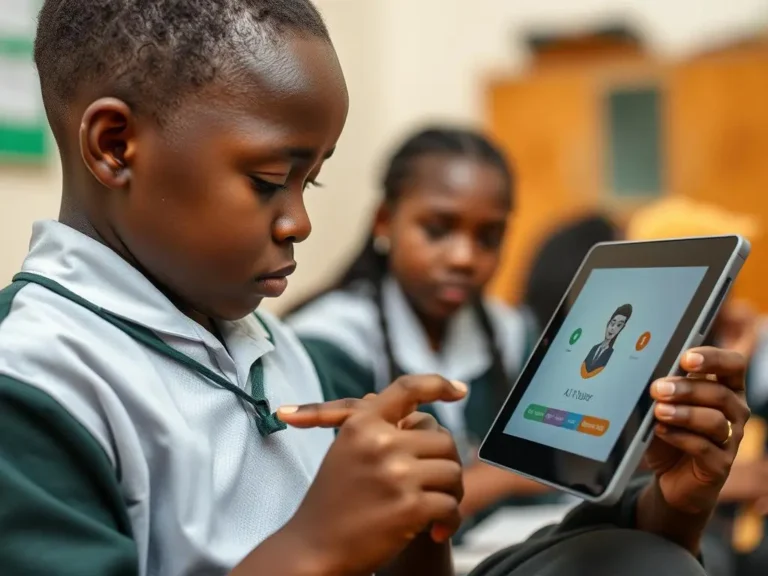
For Nigeria, the development creates opportunities for students who need additional explanations in subjects such as mathematics, physics, chemistry and computer science.
A student preparing for examinations could potentially use AI-guided activities to understand difficult concepts outside normal classroom hours. Teachers could also explore similar activities to supplement conventional lessons.
However, access will determine how widely these opportunities can be realised. Students without reliable internet connections, electricity or suitable devices may struggle to benefit from tools that depend on digital access.
Schools will also need to address data privacy, inaccurate AI-generated explanations and the possibility that students could become dependent on automated assistance.
Another important consideration is Google’s changing approach to school controls. The company says AI products and Search will be switched off by default for K-12 student accounts until administrators explicitly enable them. This means schools that reject Google’s AI services may also lose access to its Search service, creating concerns about institutional choice and dependence on a single technology provider.
Back Story: Google’s Growing Investment in AI-Powered Education
Google’s latest announcement builds on its August 19, 2026, expansion of AI learning tools in Search. That update introduced interactive learning visuals, practice quizzes, assistance through Google Lens and study notebooks.
The November announcement takes the strategy further by bringing teacher-directed learning activities into Google Classroom and extending guided assistance towards Search.
For Nigerian education stakeholders, the important issue is not simply whether AI can make studying easier. It is whether schools can adopt these technologies without compromising independent thinking, educational quality and equal access to learning opportunities.
Also Read: Google Launches Free AI and Digital Skills Hub, Targets Three Million Africans by 2030