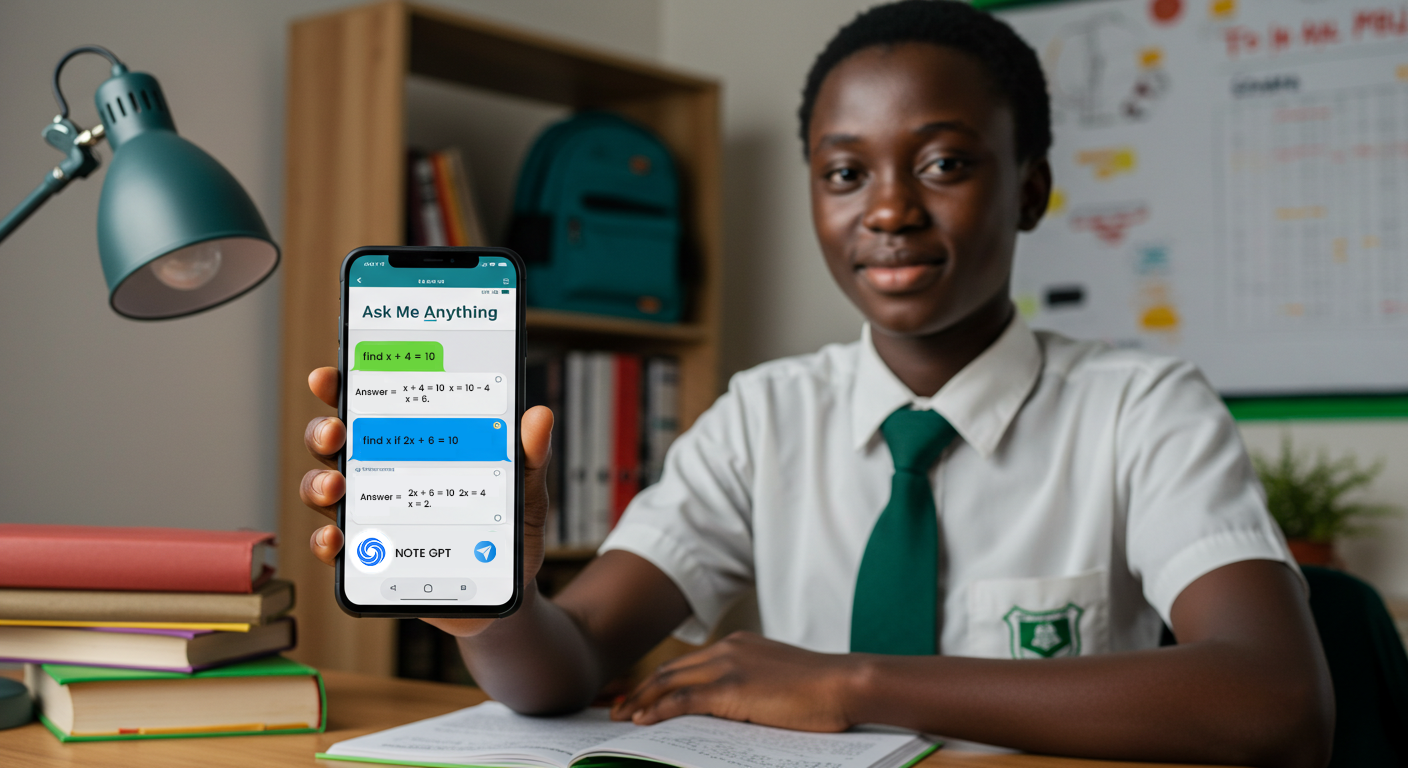
Across classrooms in Nigeria today, a quiet shift is already happening. Students are using artificial intelligence tools to summarise notes, draft assignments and even generate ideas for projects. Yet beneath this growing familiarity lies a deeper concern. Many schools are not teaching what truly matters about AI, and that gap may shape the country’s future in ways we are only beginning to understand.
Recent discussions and reports highlight a troubling reality. While Nigerian students are experimenting with AI tools, only a small number of schools are actively teaching the principles, ethics and practical skills behind the technology. This disconnect between usage and understanding is where the real problem lies.
From a professional standpoint, this is not just an educational issue. It is an economic and societal one. In a world increasingly driven by automation and data, knowing how to use AI is no longer enough. Understanding how it works, how it can fail, and how it shapes decisions is what separates passive users from future leaders.
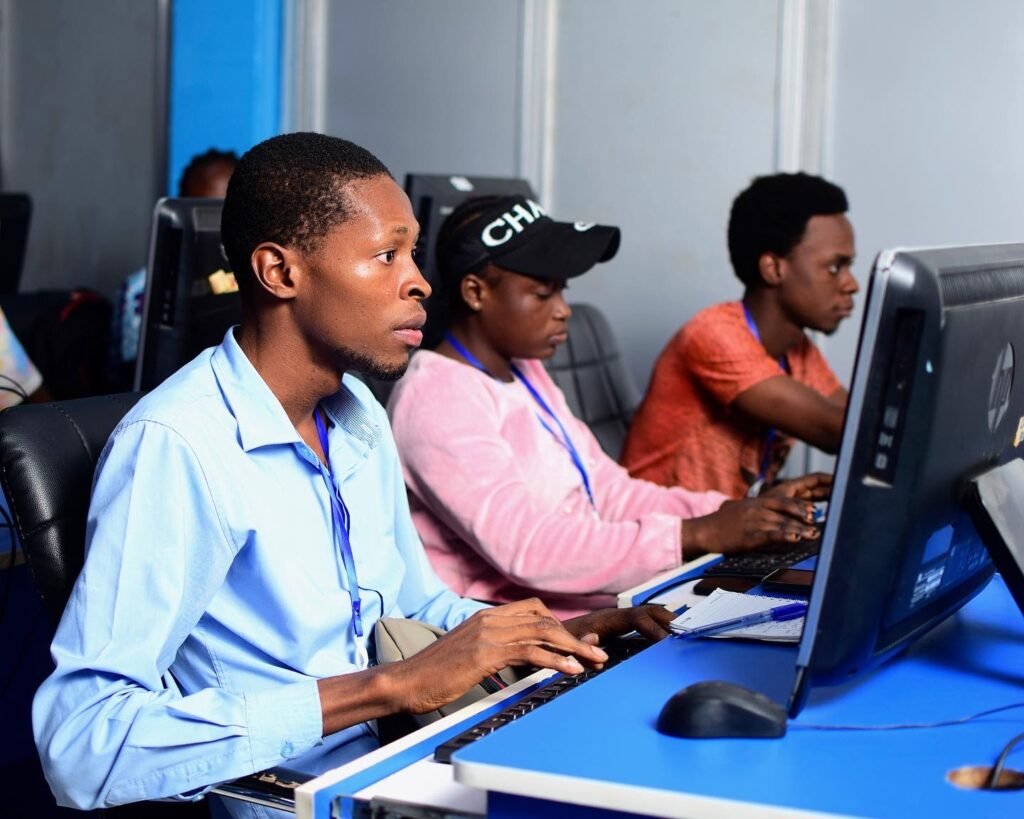
The missing layer: beyond using AI to understanding it
Step into many Nigerian classrooms today, and you will find students who can prompt AI tools but cannot explain what happens behind the scenes. This is not their fault. The system has not caught up.
Artificial intelligence is often treated as a shortcut rather than a subject. In many schools, conversations around AI focus heavily on misuse, particularly plagiarism or academic dishonesty, instead of deeper learning. As a result, students are warned about AI more than they are educated about it.
What is largely missing includes:
First, foundational knowledge. Students rarely learn how AI systems are trained, how data shapes outcomes, or why bias exists in algorithms. Without this, they cannot question or challenge what AI produces.
Second, critical thinking in an AI-driven world. Studies show that overreliance on AI tools can reduce originality and weaken problem-solving skills if not properly guided. Yet few classrooms are teaching students how to collaborate with AI while still thinking independently.
Third, ethical awareness. AI raises serious questions about privacy, data ownership and fairness. These are not abstract concerns. They are everyday realities, especially in a digital economy where decisions are increasingly automated.
Finally, practical application. Beyond theory, students need to build, experiment and solve real-world problems using AI. That exposure remains limited, especially outside elite private institutions.
Inequality in access is widening the gap
The issue is not just about what is being taught, but who has access to learning it. In Nigeria, the divide between private and public schools is becoming more visible in the context of AI.
Some private schools are beginning to integrate AI tools into teaching, offering students early exposure to emerging technologies. Meanwhile, many public schools struggle with basic infrastructure such as electricity, internet access and digital devices.
This uneven access creates a dangerous imbalance. Students in well-funded environments are learning how to leverage AI for productivity and innovation, while others are left behind, limited to theoretical knowledge or no exposure at all.
In rural areas, the situation is even more challenging. Infrastructure deficits, such as poor connectivity and limited teacher training, continue to slow adoption.
Over time, this gap could deepen existing inequalities. It risks creating a generation where opportunity is determined not just by talent or effort, but by access to technology and modern education.
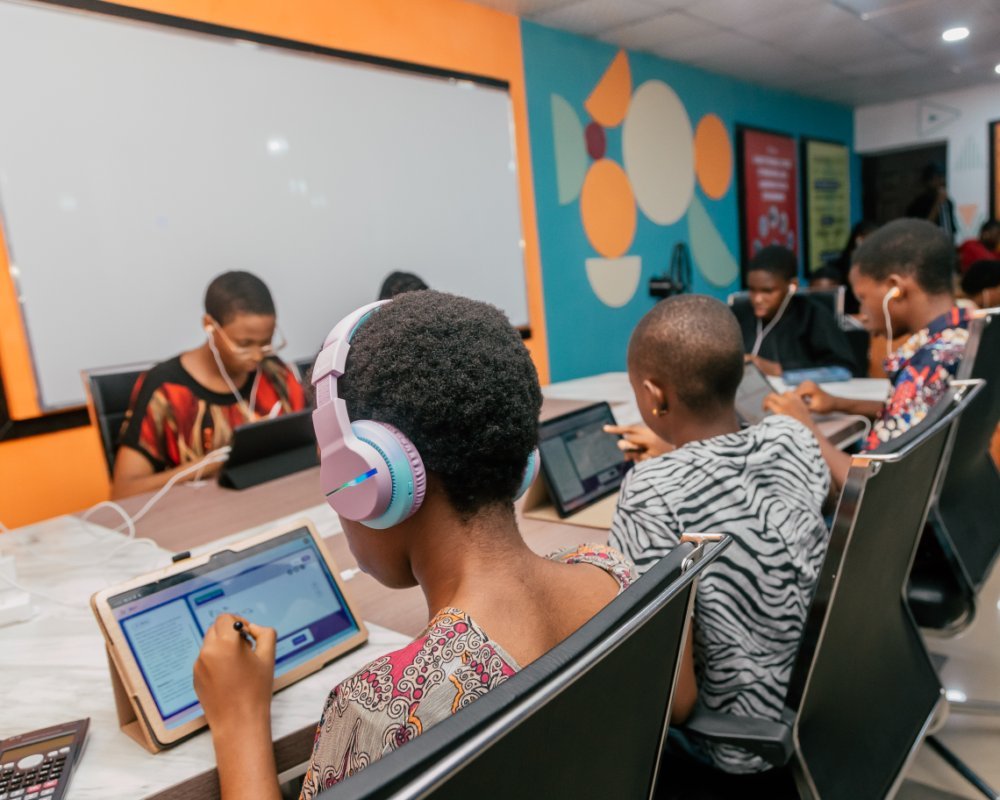
Teachers are underprepared for the AI shift
One of the most overlooked aspects of this conversation is the role of teachers. Even the best curriculum will fail without educators who are confident and equipped to deliver it.
Research shows that many teacher training programmes are yet to fully integrate AI education. In practice, this means teachers are often learning about AI at the same pace as their students, or sometimes even behind them.
This creates a difficult dynamic. Teachers may feel uncertain about how to guide students, leading to either over-restriction or complete disengagement from AI tools.
At the same time, there is growing optimism among educators. Surveys indicate that many teachers already use AI for lesson planning and content development, and a significant number are open to its potential.
The challenge is turning that openness into structured knowledge. Teachers need:
Clear training on how AI works
Practical tools for classroom integration
Guidelines for ethical and responsible use
Support systems that encourage experimentation
Without this, the burden of adapting to AI will continue to fall unevenly on individual educators rather than the system as a whole.
Why this gap matters for Nigeria’s future
This is where the conversation becomes urgent. The gap in AI education is not just about schooling. It is about national competitiveness.
Experts and policymakers have already begun to sound the alarm. There is a growing consensus that AI literacy is no longer optional. It is essential for global relevance.
If Nigerian students are not equipped with the right skills, several risks emerge.
First, a workforce that consumes technology rather than creates it. Without a deep understanding, graduates may rely on imported solutions instead of building local innovations.
Second, vulnerability to bias and misinformation. AI systems are not neutral. Without proper education, users may accept outputs without questioning accuracy or fairness.
Third, lost economic opportunities. AI is shaping industries from finance to agriculture. Countries that invest in AI education today are positioning themselves for tomorrow’s economy.
There is also a cultural dimension. Nigeria is a diverse country with hundreds of languages and unique social contexts. Yet global AI systems often underrepresent local realities. Research has shown that Nigerian linguistic variations, such as pidgin, are not fully captured in AI models.
Without local expertise, Nigeria risks being a passive participant in technologies that do not fully reflect its identity.
Rethinking what AI education should look like
The path forward is not simply to introduce AI as another subject. It requires a broader rethink of how education is delivered.
AI should be integrated across disciplines, not isolated within computer science. Students studying literature, science, business and even civic education should understand how AI affects their fields.
Curriculum design must also reflect local realities. Teaching AI in Nigeria should consider infrastructure limitations, cultural context and practical applications that resonate with students’ everyday lives.
Partnerships will play a key role. Collaboration between the government, private sector and educational institutions can help bridge resource gaps and accelerate innovation.
There is also a need for early exposure. Introducing AI concepts at primary and secondary levels can build familiarity and confidence over time, rather than overwhelming students at advanced stages.
Perhaps most importantly, education must shift from memorisation to problem-solving. AI can provide answers, but the real value lies in asking the right questions.
A defining moment for education in Nigeria
From where I stand as an observer of education and technology trends, this moment feels decisive. Nigeria is not late to the AI conversation, but it cannot afford to be passive.
Students are already engaging with AI, whether schools are ready or not. The question is whether the system will rise to meet that reality.
There is an opportunity here. With the right policies, investments and mindset, Nigeria can leapfrog traditional limitations and build a generation that is not just digitally literate, but AI fluent.
That means moving beyond fear and hesitation. It means recognising that AI is not the enemy of education, but a tool that, when properly understood, can deepen learning rather than replace it.
The stakes are high, but so is the potential.
In the end, what schools choose to teach about AI today will shape not just careers, but the direction of the nation itself.
Join Our Social Media Channels:
WhatsApp: NaijaEyes
Facebook: NaijaEyes
Twitter: NaijaEyes
Instagram: NaijaEyes
TikTok: NaijaEyes