
As political parties round off their governorship primaries, the race to succeed Bala Mohammed as governor of Bauchi State in 2027 is beginning to take shape.
Bala Mohammed is the incumbent governor of the state.
Although five candidates have emerged from the major political parties, political analysts believe the contest is gradually narrowing to a three-way battle involving Yakubu Adamu of the All Progressives Movement (APM), former governor Mohammed Abdullahi Abubakar of the All Progressives Congress (APC), and Senator Shehu Buba Umar of the Peoples Redemption Party (PRP).
The African Democratic Congress (ADC) candidate, Haliru Dauda Jika, and the Peoples Democratic Party (PDP) candidate from the Wike-led faction, Usman Adamu Sufi, are also in the race. However, observers say their parties are yet to build the level of statewide structure and momentum needed to rival the leading contenders.
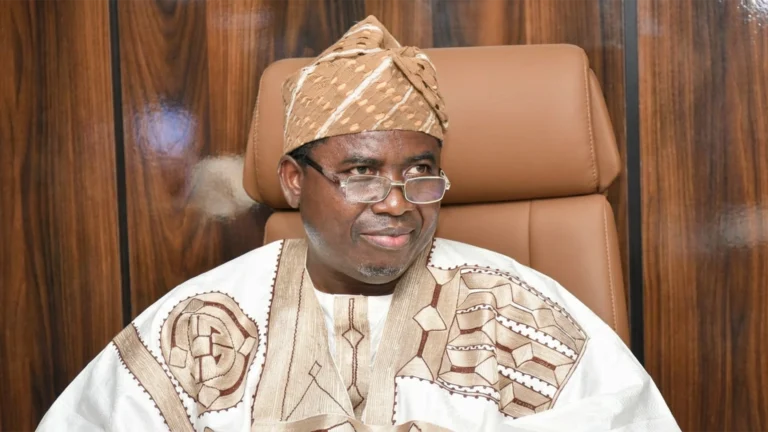
Yakubu Adamu
Yakubu Adamu enters the contest with what many political observers consider a major advantage — the backing of Governor Bala Mohammed.
The immediate past Commissioner for Finance is relying on the influence of incumbency and growing calls for power to shift to Bauchi North.
His emergence followed Bala Mohammed’s defection to the APM alongside a large portion of his political structure.
From elected officials and party executives to grassroots mobilisers across the state’s 20 local government areas, the governor’s camp has effectively transformed the APM into a formidable political force.
Many analysts believe Yakubu Adamu’s biggest strength lies not necessarily in the party itself but in the extensive political machinery supporting him.
Bala Mohammed remains one of the most influential politicians in Bauchi State and is expected to deploy his network to mobilise support for the APM candidate.
Beyond the advantage of structure, Yakubu Adamu may also benefit from growing demands for power rotation to Bauchi North.
The zone has not produced a governor in many years, prompting calls among stakeholders for power rotation in the interest of fairness, equity, and inclusiveness. If this sentiment gains wider acceptance, it could significantly improve his chances.
However, the APM candidate also faces notable challenges.
Aside from allegations reportedly linked to the Economic and Financial Crimes Commission (EFCC), analysts say another major hurdle is the state’s political history.
Since the return of democracy in 1999, no sitting governor in Bauchi State has successfully handed power to a preferred successor.
The state’s political culture has consistently favoured change over continuity.
Former governor Ahmadu Adamu Mu’azu, who governed between 1999 and 2007 under the PDP, failed to install his preferred successor, as Isa Yuguda of the ANPP won the 2007 governorship election.
Similarly, Isa Yuguda, who served from 2007 to 2015, was unable to hand over to his preferred candidate, as Mohammed Abdullahi Abubakar of the APC emerged victorious in 2015.
Whether Bala Mohammed can break that political pattern is expected to be one of the key issues in the 2027 election.
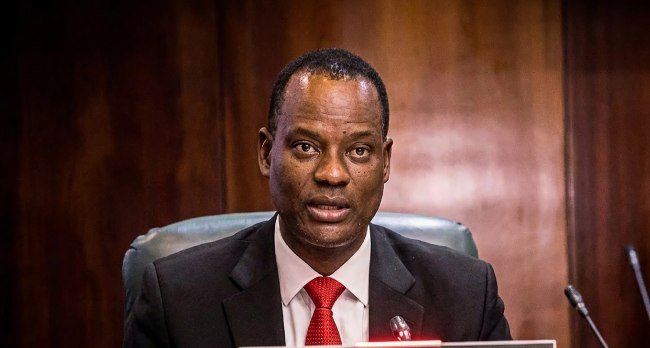
Mohammed Abubakar
Within the APC, the emergence of Mohammed Abdullahi Abubakar as governorship candidate has exposed internal divisions within the party.
The governorship primary triggered the defection of key stakeholders, including Shehu Buba Umar, while many members have continued to express dissatisfaction with the process.
Several members reportedly left the party over allegations of injustice, imposition of candidates, and lack of internal democracy.
Aggrieved aspirants and stakeholders accused the APC leadership of ignoring due process during the conduct of the governorship, National Assembly, and State Assembly primaries.
They alleged that no genuine direct primaries were conducted and claimed that candidates emerged through imposition rather than democratic processes.
Some groups also accused the Coordinating Minister of Health and Social Welfare, Muhammad Ali Pate, and former governor Isa Yuguda of influencing Mohammed Abdullahi Abubakar’s emergence as governorship candidate.
Among those who dumped the party was the member representing Jama’are/Itas-Gadau Federal Constituency, Hon. Rabilu Bala Kashuri, who resigned after failing to secure re-election.
Likewise, Katagum Federal Constituency aspirant, Hon. Tijjani Mohammed Aliyu, accused the party of conducting a flawed primary characterised by predetermined outcomes and violations of party guidelines.
Another APC chieftain, Hon. Abubakar Dahuwa Abdulkadir, also left the party, describing the process as unfair and undemocratic.
Similarly, Hon. Sulaiman Sunusi Lalaye, a Bauchi State House of Assembly aspirant, cited persistent irregularities and injustice as reasons for his exit.
Political tension intensified further after Senator Shehu Buba Umar defected from the APC to the PRP to pursue his governorship ambition.
Observers believe the APC may struggle to remain competitive unless urgent reconciliation efforts are carried out.
Mohammed Abdullahi Abubakar and Minister Muhammad Ali Pate are expected to lead moves aimed at reconciling aggrieved members and rebuilding confidence within the party.
The APC’s ability to resolve its internal crisis may ultimately determine how strong the party remains ahead of the election.
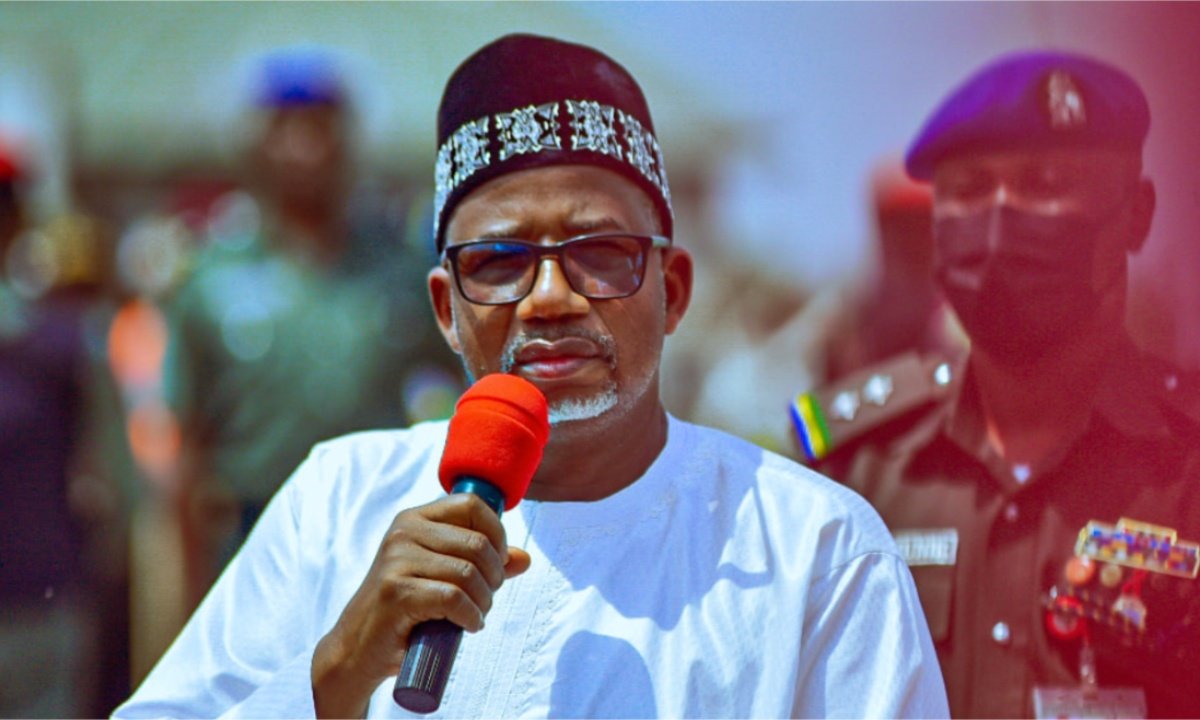
Shehu Buba
Senator Shehu Buba Umar is also regarded as one of the leading contenders due to his grassroots support, political boldness, and rising influence across Bauchi South, the state’s most populous senatorial district.
His defection from the APC and emergence as the PRP governorship candidate have added fresh energy to the race.
Unlike many politicians who rely heavily on party structures, Shehu Buba’s strength is believed to stem largely from his personal political brand and growing popularity among grassroots supporters.
He commands considerable influence in Bauchi South, widely regarded as the state’s biggest electoral battleground because of its voting strength.
A strong showing in the zone could significantly boost his chances as campaigns gather momentum.
The senator is also expected to benefit from protest votes by APC members dissatisfied with the outcome of the party’s primary election.
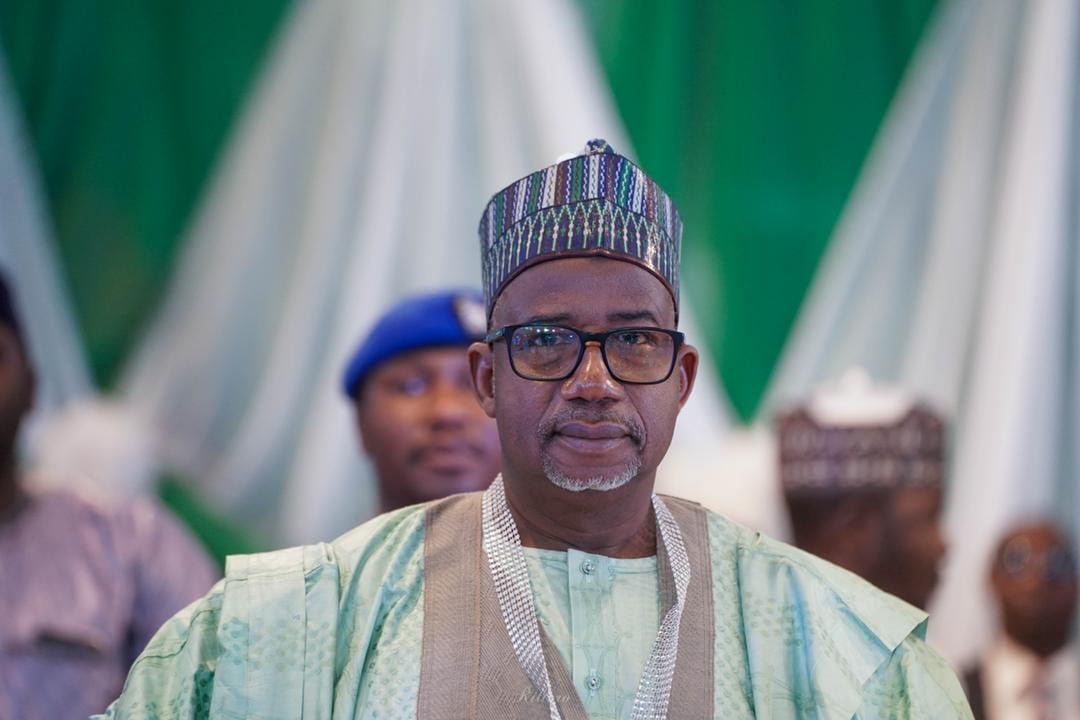
Many observers see his candidacy as an alternative for voters seeking change without aligning with the ruling APM.
His position as Chairman of the Senate Committee on National Security and Intelligence has further increased his visibility and projected him as a politician with influence beyond Bauchi State.
Nonetheless, he still faces significant challenges.
The allegation linking him to banditry during his political disagreement with Governor Bala Mohammed is expected to resurface during the campaigns. Although the allegation was denied and never proven, political opponents may attempt to use it against him.
More importantly, the PRP faces the difficult task of building a statewide structure capable of competing with the organisational strength of both the APM and APC.
While popularity may attract public attention, elections are often decided by effective grassroots mobilisation, polling unit coordination, and voter turnout operations.
For Shehu Buba, the major challenge will be converting growing public support into a strong electoral structure.
Join Our Social Media Channels:

Chinenye Ubunama
Chinenye Ubunama is a content writer and storyteller with a background in Biological Science. She specializes in crafting engaging, well-structured, and SEO-optimized content that simplifies complex ideas for everyday readers. With a focus on audience-centered writing, she consistently delivers value-driven content that informs, connects, and drives visibility across digital platforms.