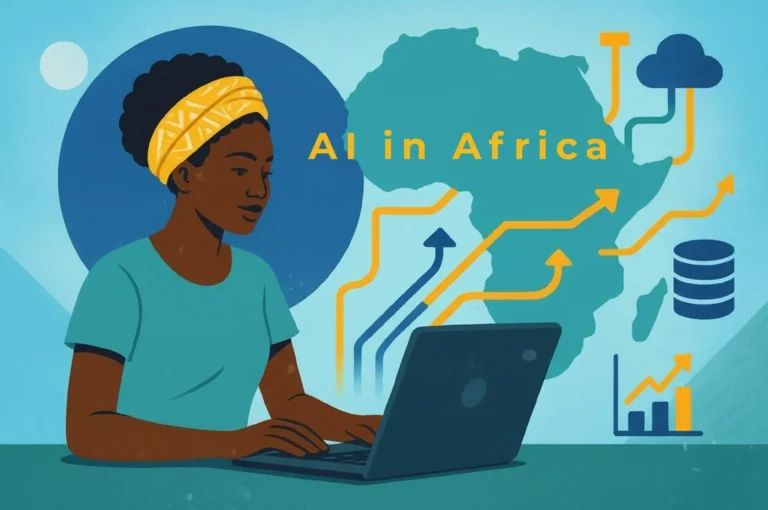

Nigeria’s creative economy is witnessing a defining shift as artificial intelligence continues to reshape how artists, designers and content creators work, learn and earn. In March 2026, the intersection between creative skills and AI technology gained even stronger momentum, with growing evidence that digital tools are no longer optional but central to modern creative expression and productivity.
From music production to visual storytelling, Nigerian creatives are increasingly embracing AI-powered solutions to expand their capabilities, reduce production time and compete globally. This trend reflects a broader transformation across industries where technology is not replacing talent but enhancing it.
Nigeria already holds a strong reputation as a creative powerhouse, driven by global success in Afrobeats and Nollywood. What is changing now is the speed and scale at which creatives can produce high-quality content, thanks to AI tools that assist with editing, design, sound engineering and even ideation.
Industry observers note that the adoption of AI is helping bridge skill gaps, especially among young creators who may not have access to formal training. With AI, a beginner can now produce work that previously required years of experience or access to expensive equipment.
This shift is not happening in isolation. Reports indicate that Nigerians are already among the most active users of AI for learning and productivity, with many leveraging it to understand complex topics and develop new skills. That same mindset is now spilling into the creative sector.
How AI is Empowering Creative Professionals
Across Nigeria’s creative ecosystem, AI is emerging as a powerful collaborator rather than a competitor. Designers are using it to generate concepts quickly, musicians are experimenting with AI-assisted composition, and filmmakers are exploring smarter editing workflows.
For creatives working under tight budgets, this is a game-changer. AI tools reduce the cost barrier, allowing independent creators to produce studio-level outputs from their laptops or even smartphones.
Experts say the biggest advantage lies in speed and experimentation. Instead of spending hours refining a single concept, creatives can generate multiple variations in minutes, test ideas faster and refine their work with greater precision.
In advertising and digital media, for instance, AI tools now allow teams to produce multiple campaign visuals in a fraction of the usual time. Some platforms are simple enough for beginners, while others offer advanced features for experienced professionals, creating a flexible ecosystem that supports both entry-level and expert users.
Another key benefit is accessibility. Creatives outside major cities, including those in underserved areas, can now participate in global digital markets without needing physical studios or expensive infrastructure. This democratisation of creativity is gradually changing who gets to create and who gets noticed.
However, industry voices continue to stress that human creativity remains at the centre. AI may assist with execution, but originality, storytelling and cultural depth still depend on the individual creator.
Growing Investment in Nigeria’s Creative and AI Ecosystem
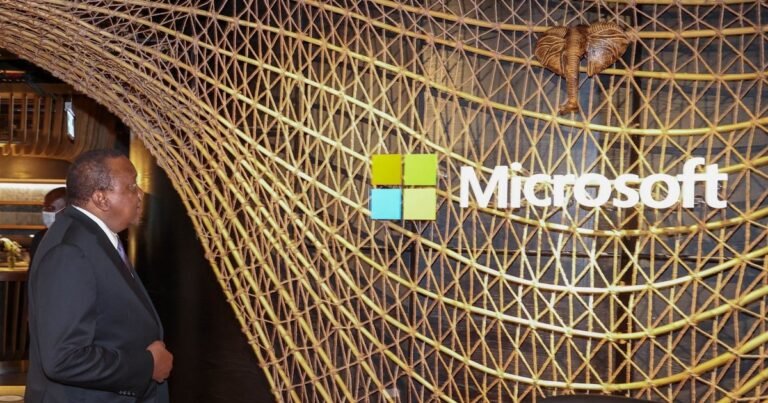
The rising influence of AI in creative work is attracting attention from both the government and international partners. Recent initiatives aimed at boosting digital skills and innovation show that Nigeria is positioning itself to benefit from the global AI economy.
Programmes focused on training thousands of Nigerians in AI-related skills are already underway, signalling a long-term commitment to building a digital workforce. These initiatives are expected to directly impact the creative industry by producing a new generation of tech-savvy artists and content creators.
At the same time, funding efforts are being introduced to address technical gaps in the creative sector, particularly in film, music and fashion. Such investments are designed to strengthen the infrastructure that supports creative production, ensuring that talent is matched with the right tools and opportunities.
Private sector players are also stepping in, offering platforms, tools and training that make it easier for creatives to adopt AI technologies. This collaboration between public and private stakeholders is gradually building a more resilient and competitive creative economy.
Beyond economics, there is also a cultural dimension. Nigerian creatives are not just using AI tools; they are shaping how these tools are applied within African storytelling. This ensures that technological advancement does not erase cultural identity but instead amplifies it.
Challenges, Opportunities and the Road Ahead
Despite the progress, the integration of AI into creative work is not without challenges. Concerns around intellectual property, originality and over-reliance on technology remain key issues within the industry.
Some creatives worry that excessive dependence on AI could dilute authenticity or lead to uniform styles. Others raise questions about ownership when AI-generated content is involved.
There is also the issue of digital literacy. While many young Nigerians are quick to adopt new tools, a significant number still lack the training needed to fully utilise AI technologies. Bridging this gap will be crucial for ensuring inclusive growth.
Yet, the opportunities outweigh the challenges. AI is opening doors for collaboration, enabling creatives to work across borders and reach global audiences without traditional gatekeepers. It is also creating new career paths, from AI-assisted design to digital content strategy.
Looking ahead, the role of AI in Nigeria’s creative industry is expected to deepen. As tools become more sophisticated and accessible, creatives who embrace technology early are likely to gain a competitive edge.
The future of creativity in Nigeria will likely be defined not by a choice between human talent and technology, but by how effectively both can work together.
Back Story: Nigeria’s Creative Strength Meets Digital Transformation
Nigeria’s rise as a creative leader did not happen overnight. For decades, the country has built a strong cultural foundation through music, film, fashion and art, earning global recognition for its originality and influence.
What has changed in recent years is the rapid digital transformation sweeping across the country. With increasing internet penetration and mobile access, more Nigerians are connecting to global platforms and digital tools.
Initiatives such as nationwide digital skills programmes and AI training schemes have accelerated this shift, creating a new generation that is both creative and technologically aware.
At the same time, success stories within the entertainment industry have shown that Nigerian content can compete on the global stage. This has inspired more young people to pursue creative careers, now supported by AI tools that make entry easier and growth faster.
The convergence of these factors has created a unique moment where creativity and technology are evolving together. March 2026 stands out as a period where this relationship became more visible, signalling a future where Nigeria’s creative economy is not just thriving locally but shaping global trends.
Join Our Social Media Channels:
WhatsApp: NaijaEyes
Facebook: NaijaEyes
Twitter: NaijaEyes
Instagram: NaijaEyes
TikTok: NaijaEyes