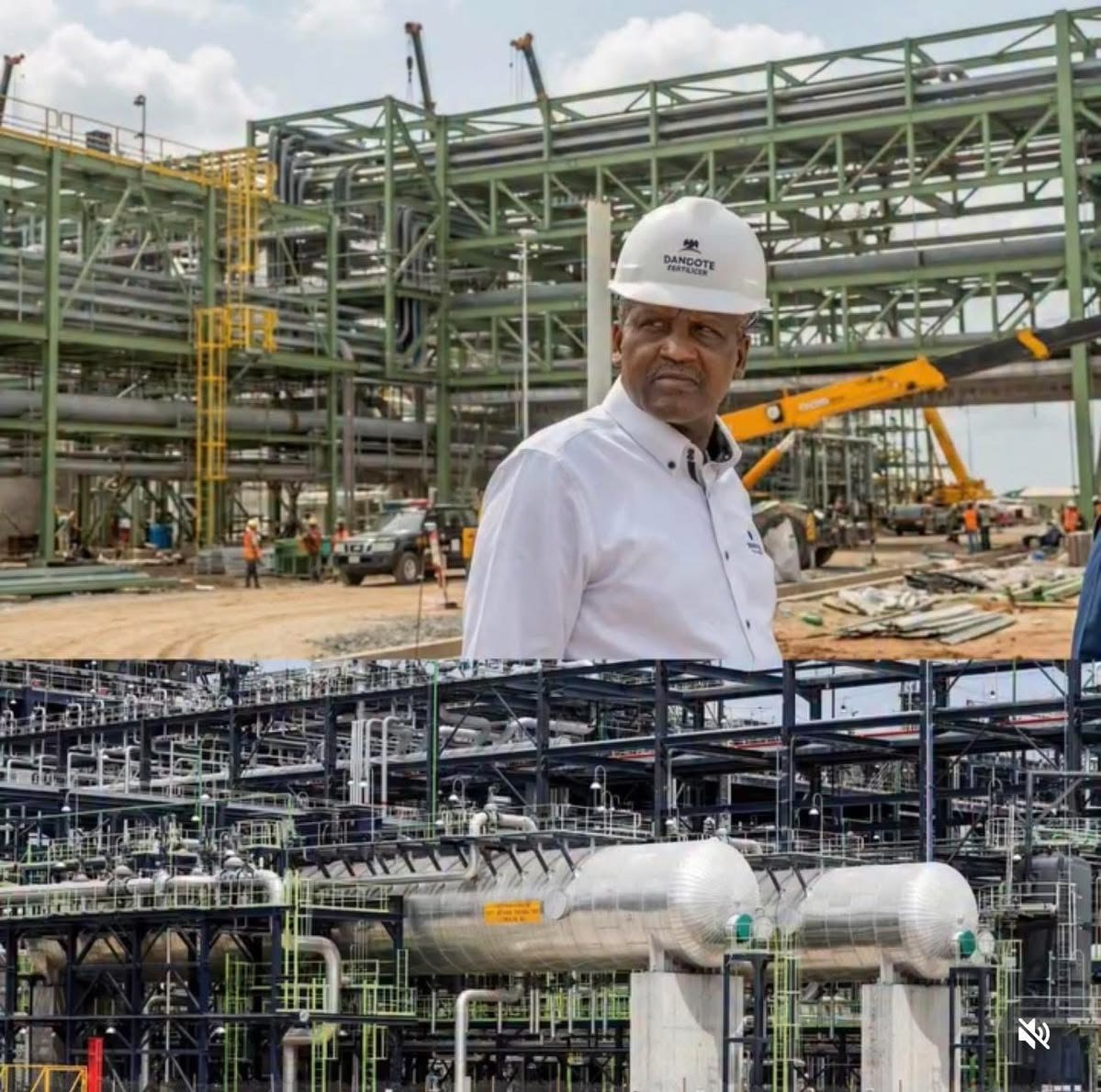

Construction on the new $17 billion Dangote refinery in Kenya is officially scheduled to begin on September 30. Located on the coastal island of Lamu, this landmark energy project aims to process 700,000 barrels of crude oil per day.
Billionaire industrialist Aliko Dangote announced the project timeline during the public offering launch for his Nigerian petrochemical entity. Consequently, this major infrastructure expansion extends his footprint from West Africa directly into the Indian Ocean trade corridors.
Backstory: Shifting Strategic Focus to Lamu Island and Regional Partnerships
To understand this historic development, one must examine how the regional energy landscape evolved over recent years. Originally, Dangote Group considered building the facility in Tanga, Tanzania. However, management ultimately selected Lamu, Kenya, citing superior commercial, technical, and deep-water logistics advantages.
Also read UST IN: Dangote Refinery Cuts Petrol Price as Crude Oil Prices Fall
Under President William Ruto, the Kenyan government actively championed the project to shift national infrastructure funding away from heavy public debt toward private capital. In a significant move, Dangote offered East African nations a combined 30 percent equity stake valued at $1.5 billion. Kenya has committed to taking a 10 percent share worth $500 million, while Ethiopia and Rwanda have also expressed strong investment interest.
- July 2026: Engineers complete preliminary site surveys, soil testing, and initial design work at Lamu.
- August 2026: Kenya’s presidential economic adviser David Ndii confirms regional equity allocations.
- September 14, 2026: Aliko Dangote confirms the September 30 construction start date during a public investor session.
- September 22, 2026: Financial coverage by news analyst Chike Olisah details East Africa’s broader economic expectations.
Economic Impact and Direct Job Creation in East Africa
Transforming regional energy security requires scaling up local refining capacity rather than relying on expensive overseas imports. During his announcement, Dangote emphasized that unlocking industrial potential across the continent requires bold private investments.
“There is a lot of value in Africa,” Dangote stated. “Africa is like a scratch card; unless you scratch it, you will not see the use of it. The opportunities are immense.”
Furthermore, public projections indicate that the facility will generate over 60,000 direct and indirect jobs. Surrounding infrastructure will include a dedicated 1,000-megawatt power plant and a special economic zone.
Long-Term Vision for African Energy Self-Sufficiency
Sustaining economic development depends on building integrated cross-border supply chains. By replicating the success of his flagship 650,000-barrel-per-day facility in Lagos, Dangote is establishing a unified African refining ecosystem.
Additionally, plans for cross-continental energy pipelines will soon connect southern African nations like Namibia, Botswana, and South Africa. As reported in an analytical report by market intelligence source Nairametrics, expanding private refining capacity guarantees long-term fuel availability and protects local currencies from foreign exchange shocks.