
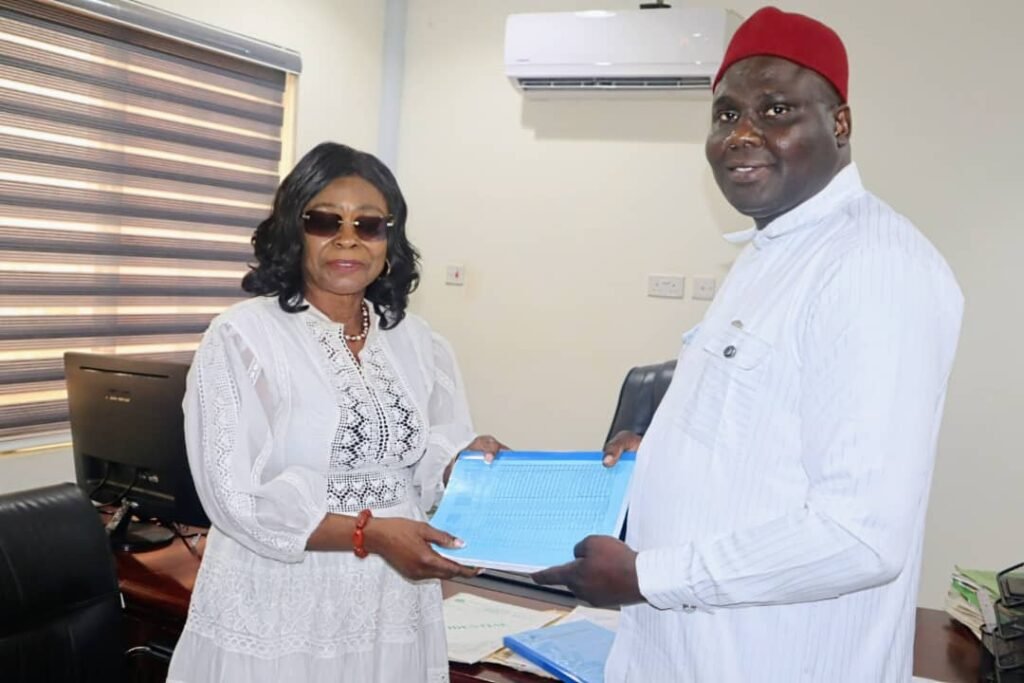
In a heartfelt effort to strengthen the educational prospects of young learners in Delta State, hundreds of students from the Oginibo, Imode and Agbaghare communities in Ughelli South Local Government Area have been given vital support that protects their academic future and empowers families facing economic hurdles. The initiative, driven by the Delta State Commissioner for Works (Highways and Urban Roads), Comrade Reuben Izeze, focuses on removing barriers that would have prevented learners from accessing essential national examinations this year.
Strengthening Access to National Examinations
The support package delivered by Commissioner Izeze addressed an urgent need that many students faced in the build up to the 2026 examination season. A notable stumbling block was the lack of National Identification Numbers (NIN) among a large number of candidates. In Nigeria, a NIN has become mandatory for registration in national exams such as those conducted by the National Examinations Council (NECO) and the Joint Admissions and Matriculation Board (JAMB). For many of the students in these communities, the inability to secure the NIN in time could have spelled the end of their academic progression for the year.
Recognising this challenge, the commissioner stepped in by fully sponsoring the NIN registration for affected students. What began as a targeted exercise quickly expanded, as more eligible learners across the three communities were included after the initial registration phase. This inclusive approach ensured that no child was left behind, even if they lacked the means or information to complete registration on their own.

Restoring the Local Examination Centre
Beyond the NIN intervention, another critical component of the support was the reactivation of the NECO examination centre at Oginibo Secondary School. Prior to the intervention, this centre had been deactivated, forcing students to travel long distances to neighbouring towns in order to sit for their national exams. The cost and time associated with this would have placed additional burdens on families already stretched by living expenses.
Working with officials from the NECO Zonal Office, Commissioner Izeze facilitated a full assessment and oversaw the restoration of the centre. Importantly, he also funded the reactivation process, ensuring the facility was fully functional and ready for the examination cycle. This restored centre now means students can sit their exams closer to home, reducing travel costs and associated stress.
To further ease the financial strain on families, the commissioner pledged to cover the NECO examination fees for every candidate registering at the Oginibo centre this year. This commitment to financial support is a lifeline for households that may otherwise have struggled to pay fees for multiple students.
Community Response and Wider Significance
The interventions have been welcomed across the communities, with parents, teachers and youth leaders expressing appreciation for the relief provided. Many see this as not just a short-term fix, but as an investment in the future of the state’s young people. Local residents have highlighted that the act of removing financial and logistical barriers sends a strong message: that education remains a priority for government leaders who are willing to act decisively in support of learners.
This latest move from the Office of the Commissioner aligns with broader efforts by the Delta State Government to enhance educational access and quality throughout the region. In recent years, the state has made significant investments in its schools in partnership with federal programmes such as the Universal Basic Education Commission (UBEC). Delta’s release of substantial counterpart funding has unlocked grants to support school infrastructure, classrooms, and equipment, directly benefiting students in both urban and rural areas.
Leadership and Future Prospects
Comrade Reuben Izeze’s leadership in this initiative reflects his broader commitment to community development and human capital growth. His work in supporting education is mirrored in other programmes across the state, including bursaries and empowerment projects for students and small business owners. Previous interventions by other commissioners in Delta, such as payment of WAEC fees for deserving students or bursary awards for higher education learners, show a shared state-wide commitment to strengthening human resources through education and training.
Given the ongoing challenges faced by many families in Delta and across Nigeria, this intervention provides practical relief and renewal of hope. It reinforces the idea that when barriers to education are addressed thoughtfully, young people are better positioned to compete in academic environments and pursue opportunities that can change their lives. The positive impacts are likely to be felt long after the examination season ends, as more learners are equipped to progress to higher levels of education and contribute meaningfully to society.
As Delta State continues to chart its course in educational development, initiatives like these highlight the importance of responsive leadership and community-centred action. For the students of Oginibo, Imode and Agbaghare, this support has not only safeguarded their right to education but also strengthened their belief that their dreams remain achievable with the right backing and commitment from government and community leaders alike.
Join Our Social Media Channels:
WhatsApp: NaijaEyes
Facebook: NaijaEyes
Twitter: NaijaEyes
Instagram: NaijaEyes
TikTok: NaijaEyes
READ THE LATEST EDUCATION NEWS