Brussels has taken a firm stance against the popular video‑sharing platform TikTok, saying it must alter parts of its service because of concerns that the app’s design encourages compulsive use among young people and vulnerable adults. After more than two years of investigation, the European Commission, the executive branch of the European Union, released preliminary findings that suggest TikTok’s interface and features likely violate the bloc’s Digital Services Act. Officials have told the company to make significant changes to how the platform works or face substantial penalties, including fines running into billions of euros.
At the heart of the EU’s concern is the way TikTok delivers content. Regulators highlighted features such as infinite scroll, autoplay, push notifications, and highly personalised recommendations as key design elements that keep users engaged for long periods. According to the European Commission, these features push users into a kind of “autopilot mode” where they may lose control over how long they spend on the platform. The commission says TikTok has not done enough to assess or reduce the harm these design choices can have on mental health and wellbeing, particularly for children and teens.
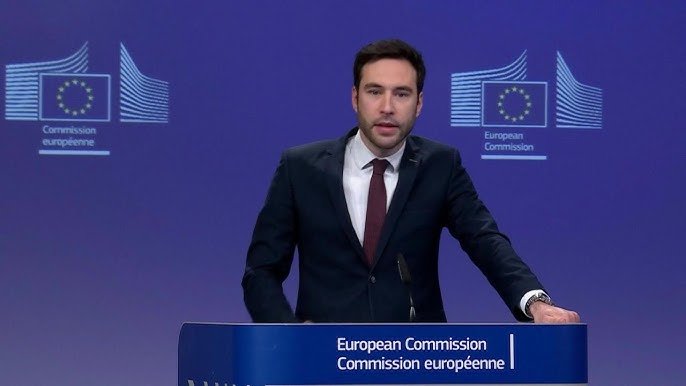
Officials have stressed that the app’s addictive design is not just a tech issue but also a public health concern. Thomas Regnier, a spokesperson for the European Commission, told reporters that the current measures TikTok has in place are inadequate and do not sufficiently protect minors from compulsive use. Regnier cited internal data showing that the app is one of the most used platforms by children after midnight, with a notable portion of young users spending hours daily on the service.
The commission’s findings are preliminary, meaning TikTok has the opportunity to respond to the allegations, present its own evidence, and suggest potential adjustments. If the final decision confirms that the platform is in breach of the Digital Services Act, TikTok could face fines of up to six percent of the parent company’s global revenue. Given ByteDance’s large annual turnover, that could amount to several billion euros.
What the European Commission Wants Changed
Officials from the European Union have outlined specific areas where they expect TikTok to make improvements to comply with legal requirements. Foremost among these demands is a redesign of the app’s core functionality to reduce the addictive pull of continuous content consumption. Features such as infinite scroll could be disabled or altered to include natural stopping points, and more meaningful breaks could be built into the user experience to interrupt marathon viewing sessions.
Another area of focus is TikTok’s recommendation system, which many experts agree plays a crucial role in keeping users engaged. The algorithm’s ability to learn quickly from user interactions and serve highly tailored content has been central to the platform’s popularity. However, EU regulators argue that the system also contributes to compulsive behaviour by constantly rewarding users with new, attention‑grabbing videos. They want TikTok to rethink how recommendations work so that it does not incentivise endless scrolling.
The commission also wants to see stronger and more effective tools for time management and parental control. Current features such as screen time limits and family pairing tools have been criticised as ineffective because they are easy to dismiss or require extra effort from parents who may already struggle to monitor children’s online activities. EU authorities want these controls made more robust and easier to use.
The European Commission has said these changes are not just nice‑to‑haves but legal requirements under the Digital Services Act. The law was designed to make online platforms responsible for the risks their services pose, especially to children and other groups that may be more vulnerable to harm. Officials argue that social media should be “safe by design,” with built‑in protections that do not depend solely on user awareness or voluntary choices.
TikTok’s Response and Broader Context
TikTok has firmly rejected the EU’s accusations. A company spokesperson described the preliminary findings as inaccurate, insisting that the platform already provides multiple tools to help users manage their time and control their use. TikTok said it plans to challenge the European Commission’s conclusions through all available legal avenues. The company also emphasised that there is no universally accepted definition of what constitutes harmful screen time, and that different experts hold varied views on the best ways to manage it.
The dispute comes at a time when governments around the world are reevaluating how to regulate big tech companies and social media services. Many countries have imposed age limits, data privacy rules, or design requirements aimed at protecting children and teens from harmful content or behaviour patterns. The EU’s Digital Services Act is one of the most comprehensive regulatory frameworks in this area, and its enforcement actions are being watched closely by policymakers globally.
Some observers see the EU’s hard line as part of a broader push to curb the influence of powerful tech firms and ensure they take social responsibility seriously. Others argue that efforts to limit features such as personalised feeds or infinite scroll could have unintended consequences for how online communities function or how content creators earn a living. Regardless of the outcome, the clash between TikTok and European regulators is likely to shape future debates about the responsibilities of digital platforms.
Implications for Users and the Digital Landscape
The European Commission’s actions against TikTok have significant implications for users, particularly in Europe but also beyond. If TikTok is forced to redesign key elements of its service, that could change how millions of people engage with short‑form video content. Features that many users take for granted, like continuous auto‑play and endless feeds, might become less central to the experience or operate differently.
For young people, the potential changes are especially relevant. TikTok is one of the most popular apps among teenagers and young adults, a group that is often more susceptible to behavioural influence due to ongoing development of self‑control and decision‑making skills. Regulators argue that reducing addictive design elements could help prevent excessive screen time and support healthier digital habits.
The case also raises questions about how far regulators can go in shaping the design of global platforms. Critics of strict regulation worry that overreach could stifle innovation or impose a one‑size‑fits‑all model that fails to account for cultural differences or individual preferences. Supporters of the EU’s approach say that protecting users, especially children, from harm is a priority that justifies strong oversight and enforcement.
If TikTok is ultimately found to be in breach of the Digital Services Act, the resulting fines could be among the largest ever imposed on a tech company under the new law. This outcome would send a clear message to other social media firms that regulatory scrutiny over design choices is increasing and that user safety must be taken seriously at every level of service development.
What Happens Next
TikTok now has the chance to respond formally to the European Commission’s findings. The company can present counter‑arguments, offer its own proposals for improvement, and work with regulators to shape the final decision. The process could take months, and the outcome will determine not just TikTok’s future operations in Europe but also how other platforms approach design and user engagement globally.
As the debate unfolds, policymakers and digital rights advocates will continue to watch closely. The balance between innovation, user freedom, and user protection remains at the centre of discussions about the future of the internet. Whether TikTok’s design changes are ultimately mandated or negotiated, the case highlights the challenges and responsibilities that come with operating platforms that influence the behaviour of users around the world.
Join Our Social Media Channels:
WhatsApp: NaijaEyes
Facebook: NaijaEyes
Twitter: NaijaEyes
Instagram: NaijaEyes
TikTok: NaijaEyes