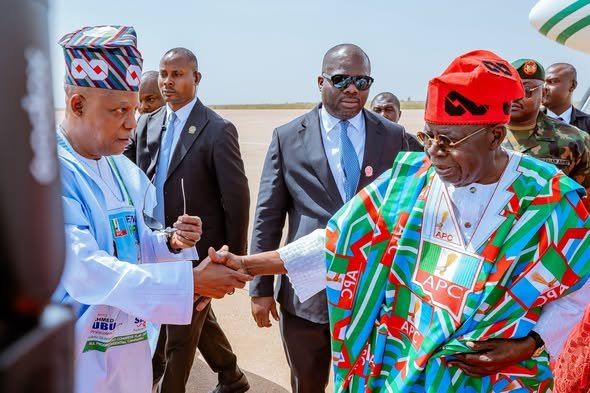

When President Bola Ahmed Tinubu announced the removal of Nigeria’s petrol subsidy in May 2023, the decision was presented as a painful but necessary step to rescue the economy.
More than three years later, the policy is still being felt in homes, businesses and transport fares across the country. Now, with the 2027 election campaign gaining momentum, the fuel subsidy debate has returned to the centre of Nigeria’s political conversation.
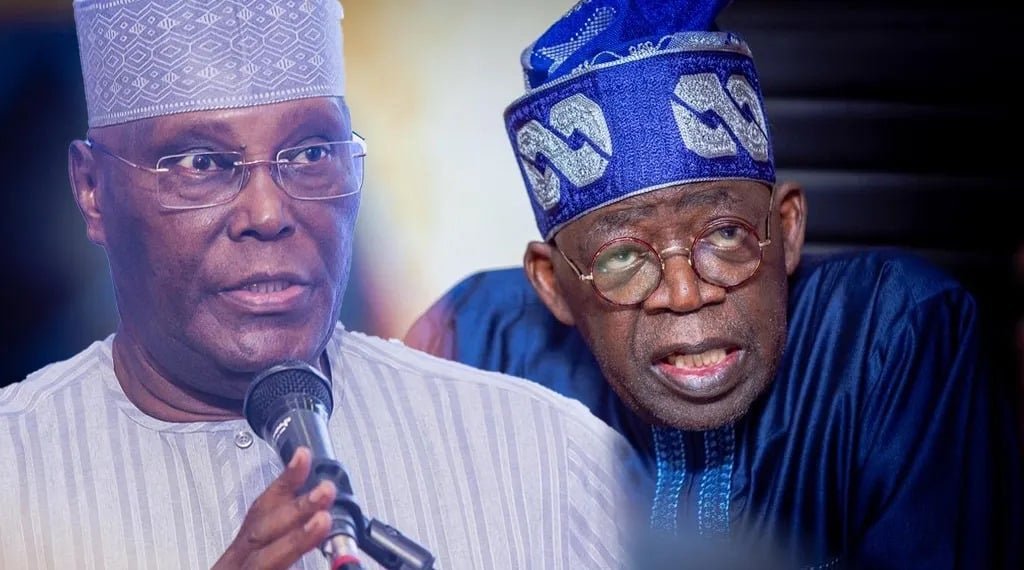
Former Vice President Atiku Abubakar, the African Democratic Congress (ADC) presidential candidate, has said he would restore petrol subsidy if elected president in 2027.
His proposal has immediately drawn a fierce response from the Tinubu administration, which argues that returning to the old system would take Nigeria back to an era of waste, opacity and corruption.
But behind the political arguments is a question that matters far beyond the candidates: has Nigeria benefited enough from subsidy removal to justify the hardship it created, and if the policy is reversed, what would that actually mean for Nigerians?
Why Tinubu Removed the Subsidy
Tinubu made the decision to end the system on his first day in office. The move was welcomed by international financial institutions as an important economic reform.
According to the International Monetary Fund in 2024, the removal of fuel subsidies was one of the major structural reforms undertaken by the Tinubu administration, alongside the unification of Nigeria’s foreign-exchange markets.
The World Bank similarly described the petrol subsidy reform as a critical step towards improving Nigeria’s economic outlook, while warning that the government needed to ensure that the benefits of reform reached ordinary Nigerians.
The argument was straightforward: Nigeria could no longer afford to spend enormous sums subsidising consumption while struggling to finance basic public services.
Read Also: Shettima explains why Tinubu kept fuel subsidy removal plan secret before swearing-in
Effect on Ordinary Nigerians
The economic logic behind the reform did not make its immediate consequences easier for households.
Petrol prices rose sharply after the subsidy was removed. Because petrol is central to Nigeria’s transport system and powers millions of generators, the impact quickly spread beyond filling stations.
Transport fares increased. Businesses faced higher operating costs. Food distribution became more expensive because farmers, traders and transporters all had to deal with rising fuel costs.
A 2025 study by Kareem Jelili Abiodun and Oluseye Samuel Ajuwon, published in the Journal of Smart Economic Growth, found that fuel-subsidy removal had a significant impact on Nigeria’s inflation and cost of living. Using a Dynamic Simulated ARDL model, the researchers estimated a positive relationship between subsidy removal and inflationary pressure.
The World Bank has also repeatedly acknowledged the difficult adjustment facing Nigerian households. Its 2025 assessment noted that although economic reforms were improving growth, government revenues and external balances, high food prices and poverty continued to place significant pressure on ordinary Nigerians.
Where Did the Savings Go?
This question has become one of the most politically important parts of the new subsidy debate.
Atiku has questioned what happened to the money saved after the subsidy was removed. His argument is essentially that Nigerians were asked to make a sacrifice, but many citizens have yet to see corresponding improvements in their living standards.
The Tinubu administration has pushed back, pointing to increased government revenues and the broader economic benefits of its reforms.
Interestingly, the government itself has acknowledged that the savings have faced competing demands.
In July 2026, the minister of Finance said savings from the fuel subsidy and foreign-exchange reforms had been largely absorbed by higher debt-servicing obligations and increased government spending.
That admission adds another layer to the debate. The issue is no longer simply whether subsidy removal saved money. It is also about what happened to those savings, what pressures consumed them and whether Nigerians received enough value in return.
Backstory…
President Bola Tinubu announced the removal of petrol subsidy during his May 29, 2023 inauguration, triggering an immediate increase in petrol prices and a wider cost-of-living shock. The World Bank estimated that the subsidy and foreign-exchange reforms could generate about ₦3.9 trillion in savings in 2023 alone.