Global Oil Prices Dip as Diplomatic Optimism Cools the Market.
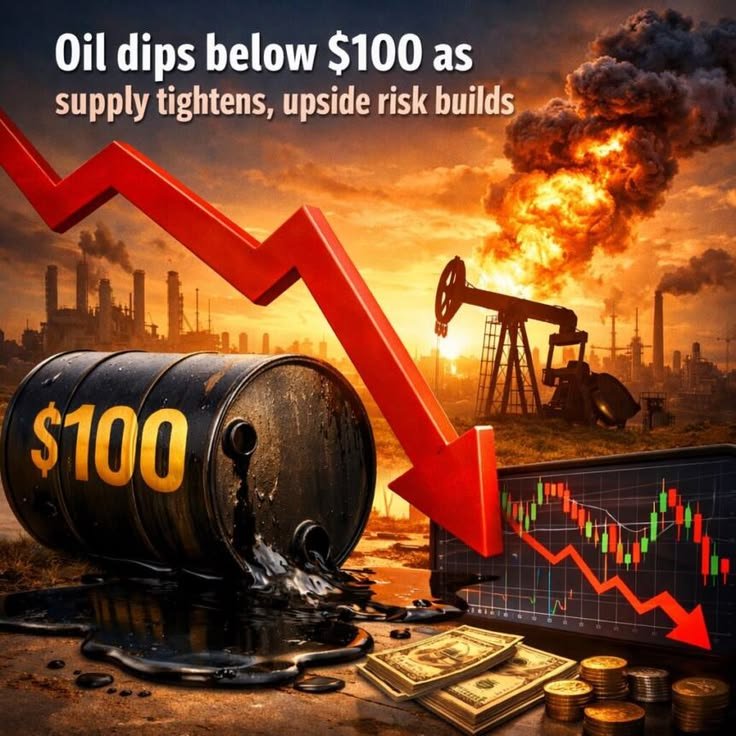
The international energy market is experiencing a notable shift that is capturing the attention of financial analysts worldwide. Major global oil contracts have extended their recent losing streak, causing a ripple effect across oil-dependent nations. This downward movement is largely driven by a sudden wave of diplomatic optimism between the United States and Iran. For a country like Nigeria, where crude oil exports serve as the primary source of foreign exchange, these shifting dynamics highlight how quickly international politics can reshape the local economy.
Diplomatic Progress Calms Energy Markets
The primary driver behind the recent drop in crude prices is the easing of geopolitical tensions. For months, the energy sector operated under the fear of sudden supply disruptions in the Middle East. However, recent diplomatic talks have signaled a potential breakthrough in relations between Washington and Tehran.
When political tensions ease, the market naturally reacts by lowering risk premiums. Traders who had previously hoarded oil contracts in anticipation of a supply crunch are now selling off their positions. The prospect of Iranian crude officially returning to the global market creates expectations of an abundance of supply. This psychological shift among investors is exactly what has triggered the extended losing streak on major trading floors.
The Financial Pressure on Local Budget Targets
While falling oil prices bring relief to energy consumers in Western nations, they present a distinct challenge for African producers. Nigeria’s national budget relies heavily on a fixed oil price benchmark to fund public infrastructure and service public debt. When global prices dip below these projected targets, the government faces immediate fiscal pressure.
A prolonged drop in crude revenue means less foreign exchange entering the central bank’s reserves. This shortage can make it more difficult for authorities to defend the local currency against major global counterparts. To protect the national balance sheet, financial managers must look toward alternative income streams. It highlights the urgent need to accelerate the diversification of the economy into non-oil sectors like agriculture and digital technology.
Navigating the Uncertain Path Ahead
As the trading week unfolds, the focus remains on whether this bearish trend in the energy market will persist. Geopolitical optimism can be incredibly fragile, and a sudden breakdown in diplomatic talks could easily reverse the current price direction. For now, the global market is enjoying a period of increased supply stability.
For local businesses and economic planners, this market shift serves as a clear reminder to remain cautious. Relying entirely on a highly volatile commodity to fuel national development is a risky long-term strategy. True economic resilience will arrive when the country’s fiscal health is shielded from the unpredictable waves of international diplomacy.
Global oil prices decline US Iran talks 2026
Join Our Social Media Channels: