
Iran has firmly stated that Hormuz reopening depends on the United States after President Donald Trump has repeatedly insisted Tehran is keen for a deal.
Iran has rejected the agreement, announcing it will coordinate instead with its neighbor across the waterway, Oman.
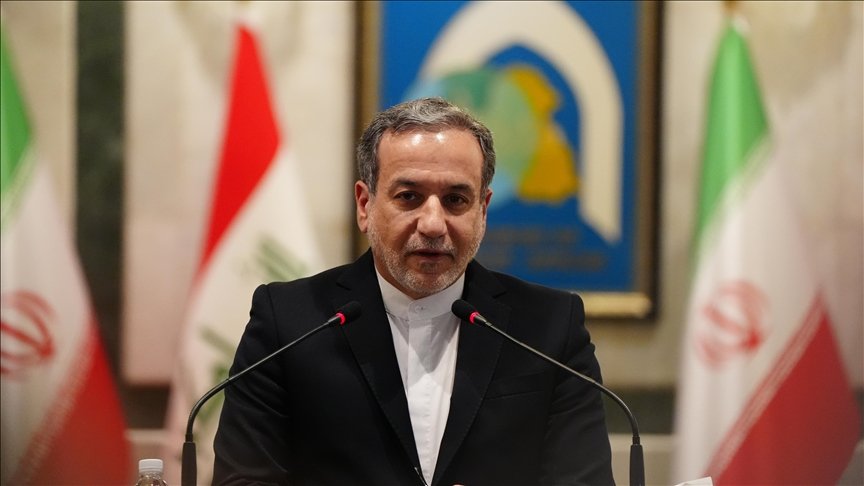
According to state news agency IRNA, Iranian foreign ministry spokesperson Esmaeil Baqaei stated that naval blockades and other aggressive actions by the US make reopening the Strait impossible.
Tehran declared Wednesday that it and Oman have mapped out a navigation path for vessels transiting the Strait of Hormuz and are finalizing plans to jointly oversee the critical waterway, even as fresh security incidents underline persistent risks to regional shipping.
Although the agreement marks progress toward reopening the vital energy passageway, official sources informing Iranian media stressed that any relaxation depends on Washington ending its naval blockade of Iranian ports.
Iran has exercised effective control over the channel and warned off unauthorized vessels ever since the United States and Israel launched military operations against the country on February 28.
According to state news agency IRNA, Iran’s foreign ministry spokesman Esmaeil Baqaei said “The geographical coordinates of the route envisaged by the two sides have been agreed upon and, if certain third parties do not obstruct the process, the joint statement of the two countries, containing the main considerations and points of agreement, is also in the final review and drafting stage.”
According to the report, Baqaei told newsmen that talks with Oman were moving forward, but that even if an understanding was reached, it would not mean that the strait had become safe for all passing vessels.
‘Fractured System’
Before the conflict, the Strait of Hormuz handled nearly 20% of global oil and LNG shipments, and continuous price increases since the disruption have intensified economic and political pressure on Washington.
Meanwhile, US Vice President JD Vance voiced frustration over the slow progress of discussions with Iran, explaining that internal friction within Iranian leadership would make negotiations a lengthy process.
“It’s going to be messy and it’s going to take some time to get there,” Vance told Fox News in an interview broadcast Wednesday.
“The reality… is that number one, the Iranians are extraordinarily difficult people. Number two, they have a fractured system,” he said.
After establishing an effective blockade over the strait, Iran now requires all vessels to travel along a route hugging its coastline.
Rather than following those orders, many ships have chosen a southern passage near Oman, periodically coming under fire in the process.
Iran aims to exercise authority over the strait and collect transit tolls—unprecedented powers prior to the conflict that Washington would firmly oppose.
Following a familiar routine, Trump threatened to strike Iran “very hard,” potentially targeting civilian infrastructure, before backing off and suggesting an agreement was near.
Backstory…
Iran’s latest position follows weeks of heightened tensions in the Gulf after the United States carried out strikes on Iranian targets, prompting fears of a wider regional conflict. In the days that followed, President Donald Trump warned that Washington was prepared to hit Iran “very hard” if Tehran escalated the crisis or disrupted global energy supplies through the Strait of Hormuz.
Read Also: Trump Warns Iran of Heavy Strikes if Strait of Hormuz Stays Closed