How Africa’s Top Performing Currencies Define Regional Stability

The economic landscape across the African continent is presenting a fascinating study in monetary discipline this season. While global market volatilities continue to test emerging economies, a select group of nations has managed to sustain remarkably firm exchange rates against the United States dollar. These legal tenders are doing far more than just reflecting domestic financial health; they are actively shielding their respective populations from imported inflationary shocks.
For international trade planners and corporate treasury experts, tracking these top-performing currencies provides an essential template for understanding regional asset protection.
The Strongholds of North African Monetary Policy
North African economies continue to dominate the upper tiers of continental currency valuation. The Tunisian Dinar maintains its position as the strongest currency on the continent, trading at a highly resilient average of 2.92 units per US dollar.
This exceptional stability is largely driven by stringent central bank interventions and tight foreign exchange regulations. By deliberately restricting free currency convertibility, Tunisian monetary authorities have successfully insulated their domestic market from speculative global trading pressures.
Similarly, the Libyan Dinar holds a commanding second place, trading at roughly 6.35 per dollar. Libya’s currency strength remains heavily supported by its vast hydrocarbon exports, which generate consistent foreign exchange inflows into the state treasury.
Despite periods of local political fragmentation, a tightly controlled public exchange rate system ensures the dinar remains a bedrock of national economic stability. Further West, the Moroccan Dirham exhibits similar resilience, leveraging a highly diversified export economy to anchor its financial system securely.
Strategic Resilience in Sub-Saharan Growth Hubs
Moving south of the Sahara, the West African subcontinent presents interesting dynamics, with the Ghanaian Cedi stabilizing around 10.70 per dollar after a period of strict policy adjustments. In Southern Africa, the Botswana Pula continues to shine, backed by a robust diamond export sector and institutional sovereign wealth management.
The pula’s reliable performance underscores the immense value of maintaining deep fiscal buffers and transparent regulatory frameworks during periods of global supply chain uncertainty.
Furthermore, nations like Namibia and Lesotho are benefiting significantly from their strategic monetary ties. Their respective currencies remain pegged one-to-one with the South African Rand, allowing them to ride a wave of renewed emerging-market risk appetite. This external stabilization lowers the cost of vital imported utilities, such as fuel and industrial machinery, allowing local factories to budget with immense confidence.
Lessons in Continental Wealth Preservation
The underlying takeaway from this year’s currency trends is that structural economic diversity is the ultimate shield against global market shifts. Whether through resource wealth or strict central bank policy, a strong national currency directly dampens the severe threat of panic-driven dollar hoarding.
As regional trade pacts become more integrated across the continent, maintaining a predictable fiscal baseline is essential for attracting long-term foreign direct investment. The central banks holding the crown this quarter prove that sustainable wealth preservation is not achieved by chance. It requires a practical layout of continuous institutional discipline and proactive market management.
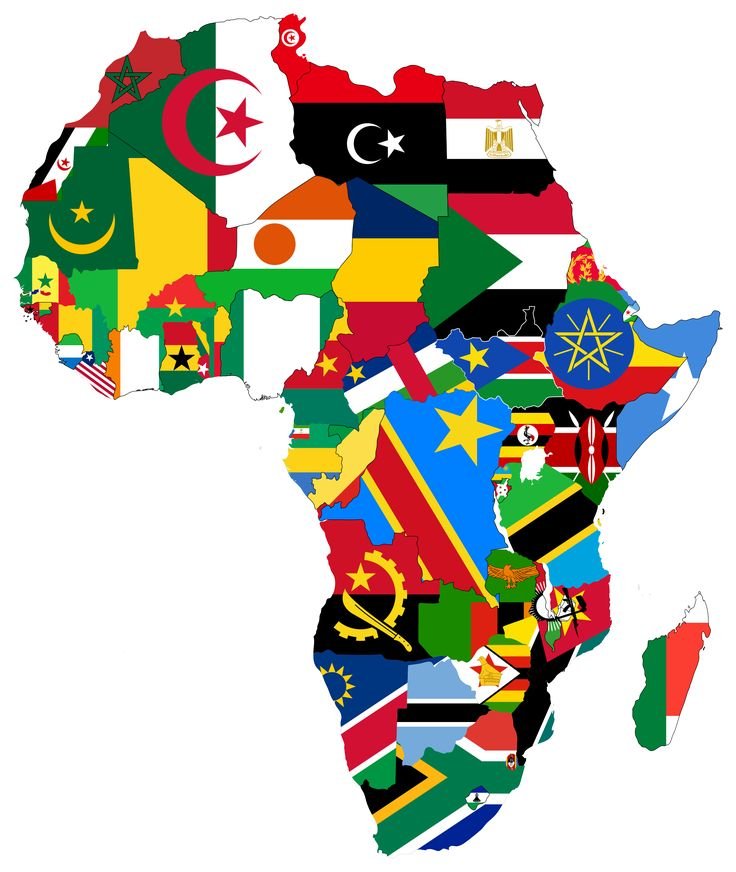
Best performing currencies in Africa May 2026
Join Our Social Media Channels:
WhatsApp: NaijaEyes
Facebook: NaijaEyes
Twitter: NaijaEyes
Instagram: NaijaEyes
TikTok: NaijaEyes