How Power Deficits Drain 3% of Annual Sales from Nigerian Firms
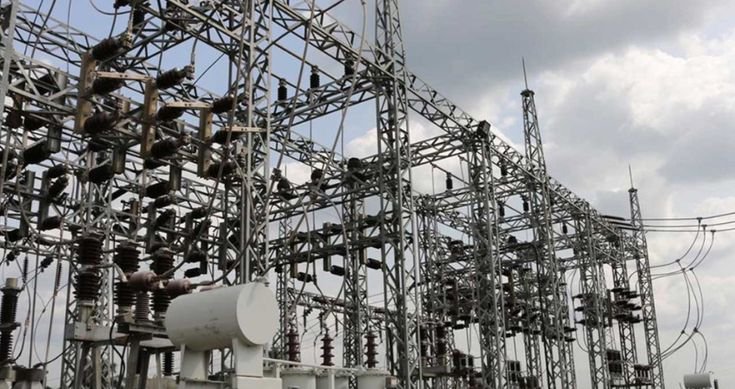
The daily operational reality for businesses across Nigeria is taking a quantifiable toll on corporate ledgers. A fresh macro-assessment reveals that persistent electricity shortages are slicing an average of three percent off the annual sales of local enterprises.
The data, compiled in the 2026 African Economic Outlook report by the African Development Bank (AfDB), paints a sobering picture of our industrial ecosystem. For business owners keeping factory floors running, this financial drain highlights the steep price of working in a parallel energy economy.
The Expensive Rise of the Parallel Energy Economy
To keep assembly lines moving, local companies have long abandoned relying entirely on the national grid. The AfDB report discloses that an astounding 70.7 percent of firms in the country now either own or share private generator sets just to stay afloat.
This massive shift toward self-generated electricity transforms a public infrastructure deficit into a heavy corporate overhead. Instead of channeling capital into expanding product lines or hiring new talent, enterprises must redirect significant portions of their cash flow toward diesel, gas, and generator maintenance.
This heavy burden weakens day-to-day productivity and erodes profitability margins across the retail, manufacturing, and service sectors.
Cracks in the Social Contract and Tax Compliance
Beyond direct operational losses, the widespread reliance on private power sources is triggering a broader governance dilemma.
The report warns that when businesses are forced to independently pay for basic utilities like power, water, and security, it damages their relationship with state authorities.
The think tank labels these forced private expenses as an implicit tax burden on households and companies. When people feel they receive poor public services in exchange for their statutory obligations, voluntary tax compliance drops.
This dynamic fuels an expanding informal sector, as entrepreneurs choose to operate off the regulatory radar. To rebuild institutional trust, the state must align its revenue collection drives with real, visible improvements on the electricity grid.
Building a Resilient Pathway for Local Production
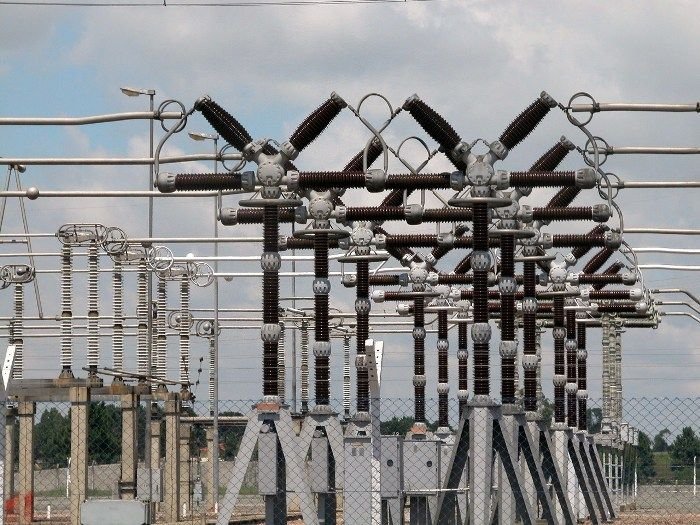
Fixing this persistent energy crisis requires moving past temporary policy adjustments. The financial institution emphasizes that establishing stable public utility networks is the most direct way to broaden the formal tax base and restore corporate confidence.
By systematically reducing the need for firms to provide their own infrastructure, the government can instantly unlock trapped industrial potential.
Lowering operational overheads will make locally manufactured goods far more competitive regionally. For a business community navigating a tight macroeconomic era, a reliable power supply is not a luxury. It is the essential foundation needed to protect investments and drive sustainable nationwide growth.
AfDB report power outages cost Nigerian
Join Our Social Media Channels:
WhatsApp: NaijaEyes
Facebook: NaijaEyes
Twitter: NaijaEyes
Instagram: NaijaEyes
TikTok: NaijaEyes