

For years, the dream for many young Nigerians followed a familiar pattern. Finish secondary school, get into university, graduate with a degree and secure a white collar job. But across the country today, that pathway is becoming less certain as unemployment, underemployment and economic pressure continue to weigh heavily on millions of graduates.
Now, a different conversation is gaining momentum. Technical and Vocational Education and Training, popularly known as TVET, is increasingly being seen as one of Nigeria’s strongest solutions to youth unemployment and skills shortages.
From fashion and welding to plumbing, digital media, automobile repairs and agriculture, vocational training is quietly moving from the background into the centre of national economic discussions. Government officials, education experts and employers are beginning to agree on one thing: practical skills may offer young Nigerians a faster route to income and independence than traditional academic routes alone.

The renewed attention on TVET is happening at a critical time. Nigeria has one of the youngest populations in the world, with millions of young people entering the labour market every year. Yet job creation has not kept pace with population growth, leaving many graduates frustrated and financially stranded.
Against this backdrop, technical education is no longer being discussed as an option only for those who could not attend university. Instead, it is increasingly being framed as a direct pipeline to employment, entrepreneurship and economic survival.
Recent federal government initiatives show how serious the shift has become. Under a new national TVET programme, thousands of young Nigerians are being trained across multiple vocational fields, with government-backed support including tuition-free training, monthly stipends and access to startup financing.
Education authorities say the goal is not simply to produce job seekers but to raise a generation of skilled workers capable of building businesses and creating jobs for others. The initiative currently spans thousands of training centres nationwide and covers sectors considered vital to Nigeria’s economic future, including construction, livestock farming, plumbing, fashion, GSM repairs and modern agriculture.
What makes TVET particularly attractive in today’s economy is speed. Unlike degree programmes that may take four to six years before graduates enter the workforce, vocational training often equips students with employable skills within months or a few years. In a country where many families are struggling with inflation and rising living costs, that shorter pathway matters.
In many Nigerian cities today, skilled artisans are already in high demand. Electricians, plumbers, tilers, welders, carpenters and technicians are increasingly charging premium rates because demand continues to outstrip supply. Some businesses now struggle to find qualified technical workers locally, forcing them to spend more on recruitment and training.
At the same time, younger Nigerians have traditionally preferred office-based or technology-related careers, partly because vocational trades were long associated with social stigma. But attitudes appear to be changing gradually. More young people are beginning to realise that practical skills can provide stable income, flexibility and even long-term business opportunities.
Industry experts believe this mindset shift is essential if Nigeria hopes to compete in sectors such as manufacturing, construction, renewable energy and the creative economy. Without a skilled workforce, economic expansion becomes difficult.
Research on vocational education in Nigeria consistently points to the same conclusion: skills training can reduce unemployment and encourage entrepreneurship when properly funded and aligned with market needs.
One major advantage of TVET is its adaptability. Unlike many traditional academic programmes that can become disconnected from labour market realities, vocational education can quickly respond to industry changes. Courses can be updated to match current demand, whether in solar installation, digital content creation, hospitality or agricultural technology.
The federal government is already moving in that direction. Plans are underway to incorporate tourism and creative industry skills into future TVET programmes, a move expected to unlock millions of jobs across Nigeria’s entertainment, hospitality and cultural sectors.
That development reflects a broader reality about the future of work. Around the world, economies are increasingly rewarding specialised technical abilities and practical competencies. Employers are placing greater emphasis on what workers can actually do rather than on certificates alone.
This trend could benefit Nigeria significantly if the country invests properly in vocational infrastructure. Technical colleges, training centres and apprenticeship systems have the potential to become engines of economic growth, especially in communities where formal employment opportunities remain scarce.
Still, major challenges remain.
One persistent issue is funding. Many technical schools across Nigeria suffer from outdated equipment, insufficient workshops and poor learning environments. In some institutions, students are trained with tools and technologies that no longer match industry realities. Without modern facilities, graduates may still struggle to compete effectively.
There is also the problem of perception. For decades, vocational education was often treated as a second-choice pathway, especially compared to university education. Parents frequently encouraged children to pursue professional degrees while overlooking technical careers that could actually provide faster financial stability.
Changing that narrative will require sustained public awareness and visible success stories. The more Nigerians see young technicians, creatives, artisans and skilled workers building profitable businesses and successful careers, the more attitudes are likely to evolve.
Another challenge is ensuring that training translates into real economic opportunities. Skills alone may not be enough if graduates cannot access startup capital, business mentorship or stable markets for their services. Many vocational graduates still struggle with equipment costs and financing barriers after completing training.
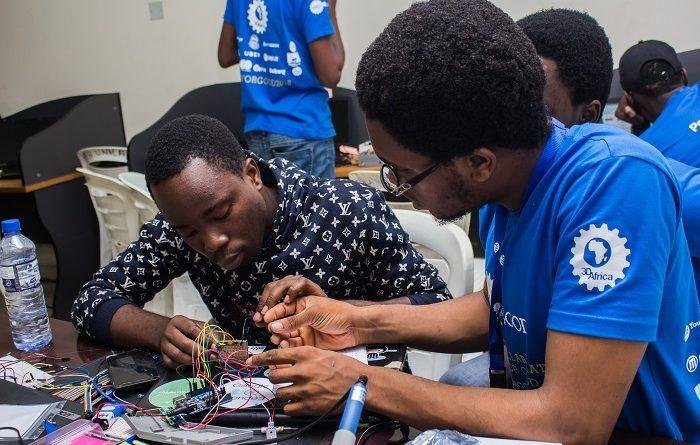
That is why experts say TVET reforms must go beyond classroom instruction. Effective programmes need partnerships with industries, access to internships, entrepreneurial support and pathways to employment.
Some policymakers also believe apprenticeship systems deserve more attention. Nigeria already has a strong informal apprenticeship culture in sectors such as mechanics, tailoring, furniture making and metal work. Strengthening these existing systems through certification, funding and better regulation could help bridge the gap between informal skills acquisition and formal economic participation.
Technology is also reshaping vocational education globally. Digital learning platforms, virtual simulations and modern equipment are changing how technical skills are taught. Experts argue that Nigerian TVET systems must evolve quickly to remain competitive in an increasingly digital world.
Importantly, vocational education is not just about blue-collar trades anymore. Modern TVET now covers areas such as animation, digital marketing, software support, creative media production and renewable energy systems. This broader definition could make vocational training more attractive to younger Nigerians seeking modern career paths.
There is also a growing argument that Nigeria’s overdependence on university degrees may no longer be sustainable. Every year, universities produce thousands of graduates for a labour market that cannot absorb them quickly enough. Meanwhile, industries continue searching for technically skilled workers capable of handling practical operations.
That mismatch has become increasingly visible across sectors.
Construction companies need skilled technicians. Agricultural businesses need trained machine operators and food processing specialists. Renewable energy firms require solar technicians. Creative industries need production crews and technical support staff. Yet many employers say qualified personnel remain difficult to find.
TVET could help close that gap if properly managed.
The economic benefits could also extend beyond employment alone. A stronger vocational sector may encourage local manufacturing, increase productivity and reduce dependence on imported technical labour. It could stimulate small business growth and help communities build local economies around practical services and production.
For many young Nigerians, the appeal is already becoming obvious. In an economy where survival often depends on adaptability, possessing a practical skill can offer immediate value. A trained electrician, fashion designer, phone repair technician or welder may begin earning income far earlier than someone waiting years for formal office employment.
That does not mean university education has lost relevance. Rather, the conversation is increasingly shifting towards balance. Many education experts believe Nigeria needs both strong academic institutions and strong vocational systems working side by side.
Countries with advanced economies often combine both approaches successfully. Technical education is treated as a respected career path rather than a lesser alternative. Nigeria may now be approaching a similar turning point.

The Back Story Behind Nigeria’s TVET Push
Nigeria’s renewed focus on vocational education did not emerge overnight. For decades, unemployment among young people has remained one of the country’s biggest social and economic challenges.
As universities expanded, so did the number of graduates competing for limited formal jobs. Over time, concerns grew that many graduates lacked practical workplace skills, while industries struggled to fill technical positions.
At the same time, economic pressures including inflation, insecurity and slow industrial growth intensified the need for alternative employment pathways. Policymakers began revisiting technical education as a solution capable of delivering faster workforce readiness.
Recent government programmes have accelerated that shift by placing TVET at the centre of education and employment policy. Officials now describe vocational training as critical to national development and economic transformation.
The conversation has also gained urgency because of global labour market changes. As technology reshapes industries and automation alters traditional office work, countries are increasingly prioritising specialised technical skills, digital competencies and entrepreneurship.
For Nigeria, supporters of TVET believe the opportunity is clear: equip millions of young people with practical abilities that can create jobs, support industries and strengthen the economy from the ground up.
Join Our Social Media Channels:
WhatsApp: NaijaEyes
Facebook: NaijaEyes
Twitter: NaijaEyes
Instagram: NaijaEyes
TikTok: NaijaEyes