Energy experts and downstream companies have cautioned that if global crude oil prices rise above $90 per barrel amid growing tensions between the United States and Iran, Nigeria may see a new spike in the cost of petrol and diesel.
Nigeria’s domestic gasoline pricing structure is vulnerable, despite the country’s quest for local refining, according to the warning, which comes as Middle East wars caused new volatility in the world oil market.
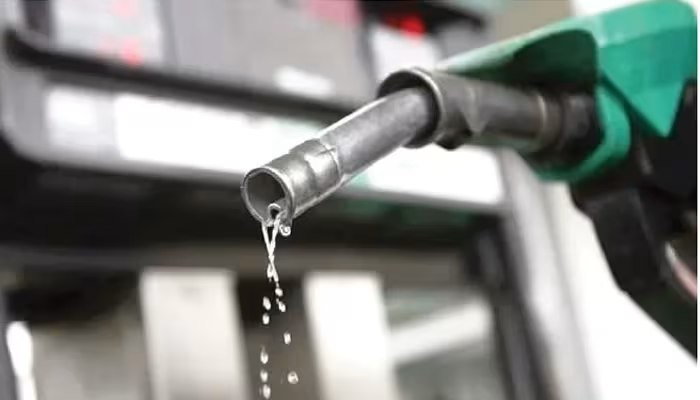
Following the most recent price change by the Dangote Petroleum Refinery, recent inspections in major cities show that fuel currently sells for between N824 and N880 per litre, depending on location, logistics costs, and the marketer involved.
Join our WhatsApp community
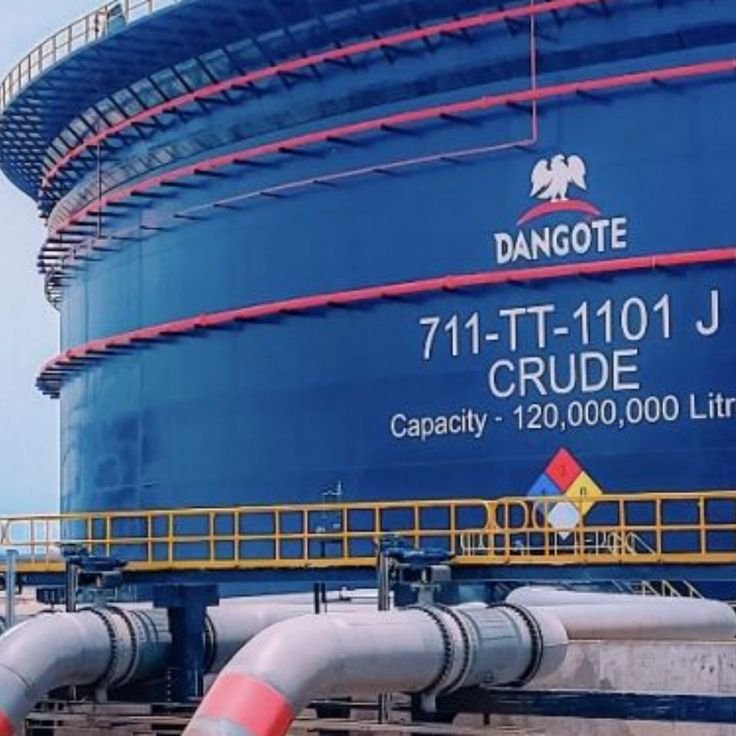
This comes after the refinery lowered the ex-depot rate from N799 to N774 per litre in February 2026 by reducing the price of its Premium Motor Spirit (petrol) product by N25 per litre.
In separate interviews with our correspondent on Sunday, five energy experts warned that any prolonged escalation of hostilities, especially around the strategic Strait of Hormuz, is already feeding risk premiums into the market and that the recent US-Iran conflict could have far-reaching effects on global crude oil prices.
They all concurred that if the situation worsens, the event might result in consumers having to deal with higher oil prices. Amid growing confrontations in the Middle East, numerous oil companies reportedly stopped tanker operations near the Strait of Hormuz, one of the world’s most important energy transit routes, causing global crude oil prices to rise by almost 10% over the weekend.
The waterway transports a large amount of the world’s oil and connects the Persian Gulf to the Indian Ocean. It is generally believed that any interruption to the route could result in price increases and supply shocks.
The chief Executive Officer of Dairy Hills, Kelvin Emmanuel, stated that Nigeria’s exposure to global crude pricing remains high because the Dangote Refinery still imports a significant portion of its feedstock.
He stated, “Dangote currently processes an average of 18 million barrels of crude oil monthly. Out of this, about 12 million barrels are imported, while he gets about 5.7 million barrels, which is the equivalent of six cargoes, from the Nigerian National Petroleum Company Limited.
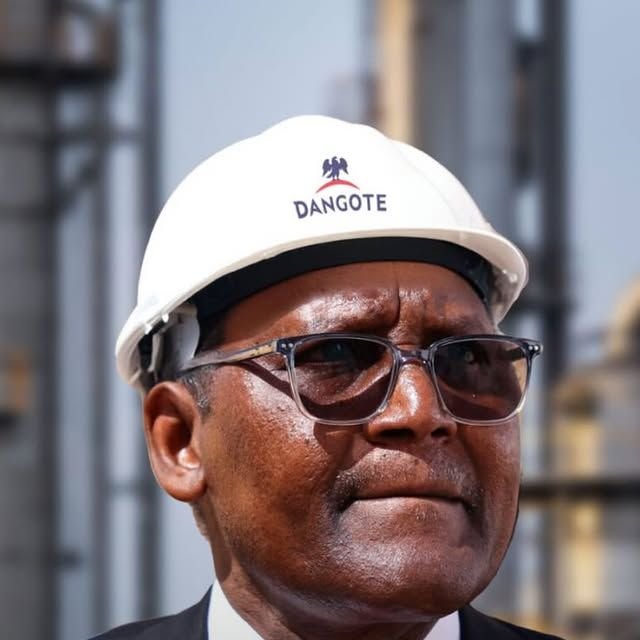
“The commercial operators are not keen on supplying him feedstock because they hide under the guise of willing buyer, willing seller to inflate third-party commissions to the domestic refiner, in contravention of Section 109 of the Petroleum Industry Act.
“Any sharp increase in crude oil prices from this escalation will lead to a revision in the cracking margin spread of the refiner and, consequently, the price of refined products. The fact that protection and indemnity clubs are raising war risk insurance premiums on tanker vessels will also make it more expensive to land feedstock in Nigeria. If crude prices rise above $90 per barrel, the refiner will have to revise the price of PMS and diesel in Nigeria.”
Olatide Jeremiah, the CEO of Petroleumprice.ng, also stated that Nigeria is susceptible to global market shocks due to its ongoing reliance on imported crude and refined goods.
According to Jeremiah, the geopolitical tension should be a wake-up call for authorities to increase crude production, combat oil theft, and solve the undersupply of domestic refineries.

Dayo Ayoade, an energy law specialist at the University of Lagos on his part, stated that Nigeria can no longer protect its consumers from worldwide price volatility after gasoline subsidies were eliminated because the global oil market is based on a demand-supply paradigm.
Petroleum economist Professor Emeritus Wumi Iledare warned against panic, pointing out that the world oil market is more responsive and diversified now than it was in previous geopolitical crises.
Join our WhatsApp community
Geopolitical concerns may only create a transient risk premium that disappears when fundamentals stay solid, Iledare continued, adding that global market forces, not only OPEC, influence oil prices.
However, National Publicity Secretary of the Independent Petroleum Marketers Association of Nigeria, Chinedu Ukadike, said marketers were monitoring the situation and would respond based on market developments.
Join Our Social Media Channels: