
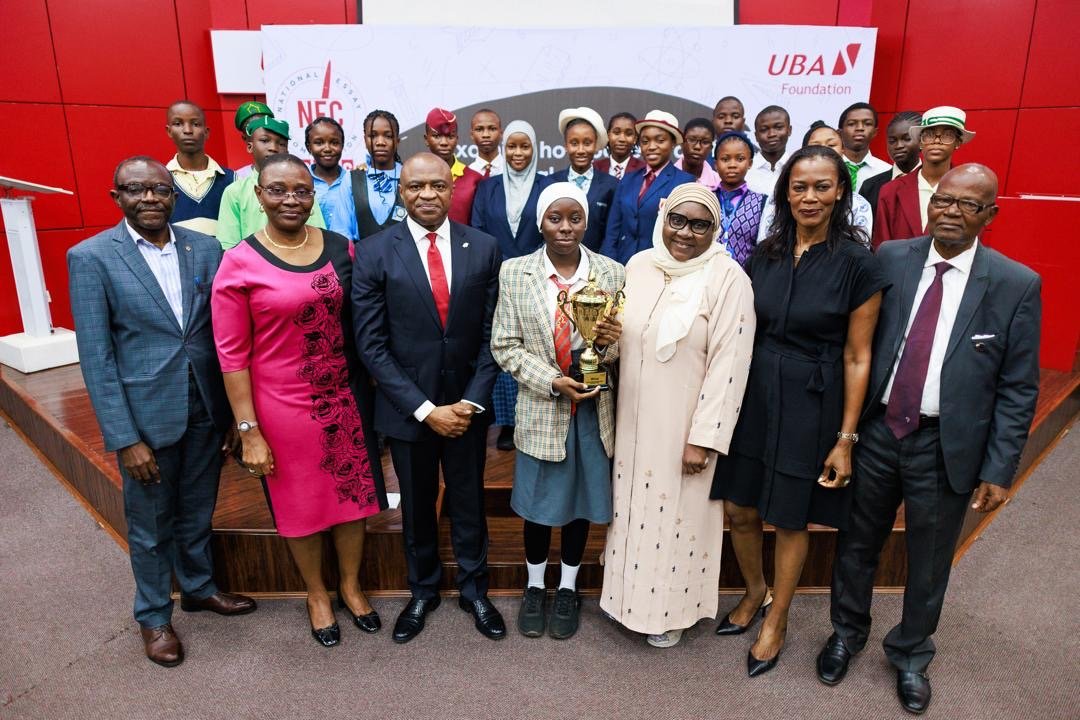

At 15, Abuja student Khaira Ojima Bala has won a ₦15 million educational grant after placing first in the 2026 UBA Foundation National Essay Competition. Her win spotlights the issue behind the contest: Nigeria’s struggle to make food available and affordable.
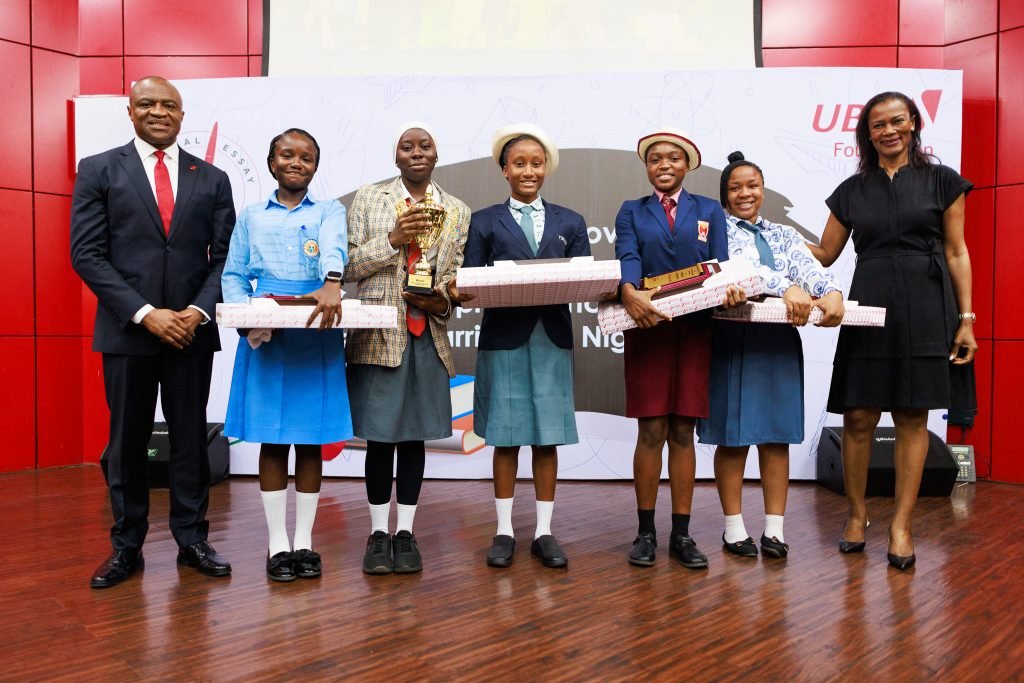
Bala, a student of Metro International School, Abuja, was named winner at the November 10 final in Lagos. UBA said it received more than 15,000 entries and selected 20 finalists. Her grant supports university study at any African university of her choice. The finalists received laptops and ₦20,000 each.
The question behind the award
The essay topic was: “No nation can develop without food security. How can Nigeria deal with this problem?” It asked students to connect reliable access to food with national development. The issue extends beyond growing crops: food must reach markets, be nutritious and remain affordable to households.
A national challenge, not just a classroom topic
The Food and Agriculture Organization’s September 16, 2026 country brief estimated that 36.3 million people, 17 per cent of the analysed population, faced severe acute food insecurity during the June-to-August lean season. It cited conflict, disrupted livelihoods and economic pressures. Annual food inflation reached 20.3 per cent in July. Food insecurity affects household welfare as well as national development.
Why more farm output is not the only answer
The FAO report says insecurity has restricted access to farmland in some producing states. Higher fertiliser and fuel prices have increased production and transport costs, while dry spells affected crops in parts of the country.
Higher harvests matter, but they are only one part of the response. Farmers need safe access to land and affordable inputs; food also needs storage, transport and functioning markets. Households must have enough purchasing power to buy available supplies. The essay topic requires students to think about agriculture, infrastructure and the wider economy.
What an essay competition can contribute
UBA said the 20 finalists attended a one-day writing boot camp with the judges. Five students received grants, ranging from ₦15 million for first place to ₦3.5 million for fifth. The programme encourages students to research a public issue, build an argument and communicate possible responses.
The public announcement did not include Bala’s full essay, so her recommendations cannot be assessed here. An essay prize is not a solution to hunger. Its value is encouraging young people to examine difficult issues; lasting impact requires schools and institutions to support that curiosity beyond a competition.
Back Story: The competition’s expanding prize pool
The UBA Foundation National Essay Competition is an annual programme for senior secondary school students, now in its 16th edition. In 2026, UBA increased the total grant pool to ₦41 million from ₦22.5 million in 2025 and expanded award recipients from three to five. The first-place grant rose 50 per cent to ₦10 million.
Bala’s win is an academic milestone. The opportunity is to turn student interest in national problems into learning and practical engagement with institutions working to solve them.