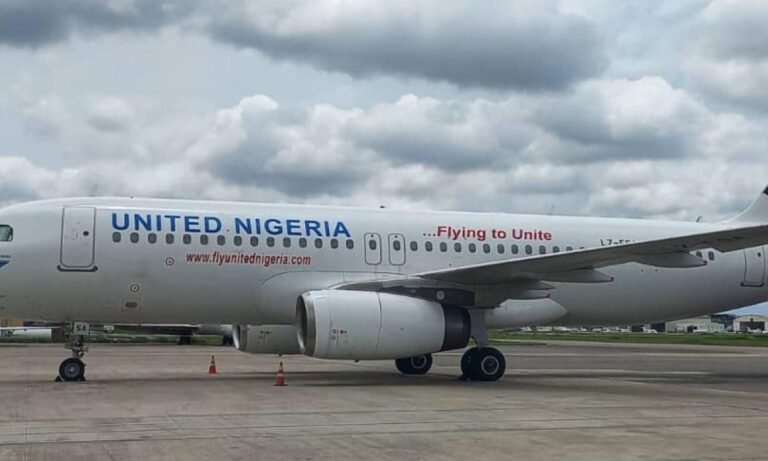
Lagos commercial hub recorded remarkable Lagos airport passenger capacity growth as air traffic expanded rapidly across regional transport networks. According to official flight data published by Official Airline Guide, Murtala Muhammed International Airport reached 470,000 scheduled seats this month.
Furthermore, this figure represents a 24.1 percent annual increase compared to the previous period. Consequently, Lagos surpassed major regional flight hubs like Casablanca, which grew by 13.5 percent over the same operational cycle.
Backstory: Market Liberalization and Fleet Modernization Efforts
To understand this dramatic operational turnaround, one must examine the severe challenges previously facing regional air carriers. For many years, domestic airlines struggled with foreign exchange shortages, trapped ticket revenues, and high maintenance overhead. Therefore, flight schedules suffered frequent cancellations while fleet capacity remained tightly constrained.
Also read Gateway Airport: UN Ambassador Ibrahim commends Abiodun for investing in Ogun’s future
However, policy interventions stabilized currency access and improved aircraft leasing terms for local operators. According to industry analysis by aviation writer Caleb Obiowo, these institutional changes restored confidence among international carriers and regional flight operators.
- May 2024: Federal authorities approve establishing the Nigeria Aircraft Leasing Company to improve aircraft access.
- June 2026: Lagos airport reaches 417,622 scheduled departing seats following initial operational updates.
- August 2026: Total scheduled seat volume rises to 480,000 seats across domestic and international terminals.
- September 2026: Official reports confirm Nigeria added 322,800 scheduled seats nationwide, bringing total capacity to 1.19 million.
Local Airlines Drive Continental Seat Capacity Expansion
Beyond hub operations in Lagos, local air carriers played a crucial role in expanding regional flight options. Flagship carrier Air Peace recorded a 54.7 percent annual increase in seat capacity, reaching 354,804 scheduled seats.
Consequently, the airline returned to the top ten list of African air carriers. Moreover, nationwide capacity jumped 37.4 percent to reach 1.19 million seats. Industry analysts note that improved aircraft availability allowed operators to expand regional routes while meeting higher travel demand.
Strengthening Regional Transport Networks and Aviation Governance
Ultimately, expanding air passenger capacity strengthens trade connections across West Africa and international commercial centers. Lowering operational barriers enables local airlines to upgrade fleets and maintain reliable flight schedules.
Moving forward, sustaining this growth requires continuous infrastructure upgrades and strong regulatory backing. By maintaining supportive aviation policies, Nigeria can solidify its position as a primary transport hub across the African continent.