Understanding why petrol prices keep rising remains a primary concern for households and businesses navigating daily transportation expenses. Regulators at the Nigerian Midstream and Downstream Petroleum Regulatory Authority recently clarified the structural factors driving fuel pump fluctuations.
Speaking through public affairs manager George Ene-Ita, the authority noted that complete market deregulation exposes pump costs to global crude trends. Consequently, international feedstock prices directly shape domestic retail rates without government subsidies shielding end consumers.
Backstory: Fuel Deregulation and Market Realities
To understand today’s energy landscape, one must examine how fuel distribution operated historically across the country. For decades, state subsidies artificially lowered pump prices, creating massive fiscal deficits for federal treasuries. Therefore, policymakers removed subsidy allocations to allow market-driven pricing and attract private investment.
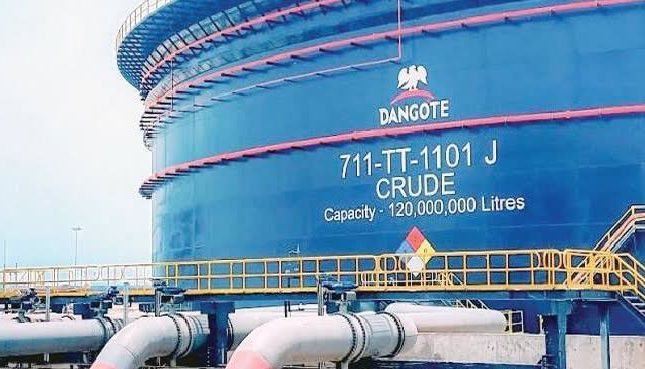
Also read Dangote Refinery May Cut Petrol Supply to Import-Dependent Fuel Marketers
However, transitioning to a free-market system revealed deep structural vulnerabilities in regional supply chains. According to economic reporting from news analyst Chike Olisah, retail prices in commercial hubs like Lagos climbed from roughly N1,075 per litre in July to over N1,310 per litre by September.
- May 2023: Federal authorities officially remove fuel subsidies to transition toward a deregulated downstream sector.
- Early 2026: Global geopolitical tensions cause international crude oil benchmark rates to surge unpredictably.
- July 2026: Retail fuel stations across major urban centers average between N1,075 and N1,135 per litre.
- September 2026: Regulatory authorities address persistent price spikes while independent marketers urge structural interventions.
Logistics Bottlenecks and Crude Sourcing Pressures
Beyond global market benchmark shifts, domestic supply logistics significantly influence final retail costs. Ene-Ita explained that time delays between ordering crude cargoes and delivering refined products add substantial freight fees. Furthermore, marine taxes and inland distribution costs accumulate along the delivery chain.
Simultaneously, independent marketers face severe financial squeezes under current market conditions. Alhaji Maigandi Garima, president of the Independent Petroleum Marketers Association of Nigeria, observed that high crude costs force refiners to pass expenses downward. Consequently, station operators require larger bank loans to stock inventory while consumer demand contracts sharply.
Building Competitive Refining Solutions for Long-Term Parity
Ultimately, addressing price volatility requires expanding local refining capacity and diversifying supply sources. While regulators collaborate with consumer protection agencies to prevent price gouging, sustainable relief depends on robust domestic output.
Moving forward, strengthening local refining infrastructure will reduce costly offshore logistics and shipping delays. By building a competitive downstream market, energy stakeholders can achieve clearer pricing frameworks that protect consumers while supporting private enterprise growth.