
Lagos State has renewed its push to make technology, artificial intelligence and digital learning a more visible part of classroom teaching, with Governor Babajide Sanwo-Olu saying teachers must be prepared for an education system shaped by rapid technological change.
The governor made the commitment at the 2026 World Teachers’ Day celebration in Ikeja on Monday. He was represented by his deputy, Dr Kadri Obafemi Hamzat. Sanwo-Olu said the state would continue investing in teacher training, professional development, technology for teaching and learning, and better school environments.
The message comes as AI moves from a technology sector conversation into schools. For Lagos, the challenge is no longer simply getting technology into the classroom. It is making sure teachers understand how to use it responsibly and that public schools have the infrastructure to support it.
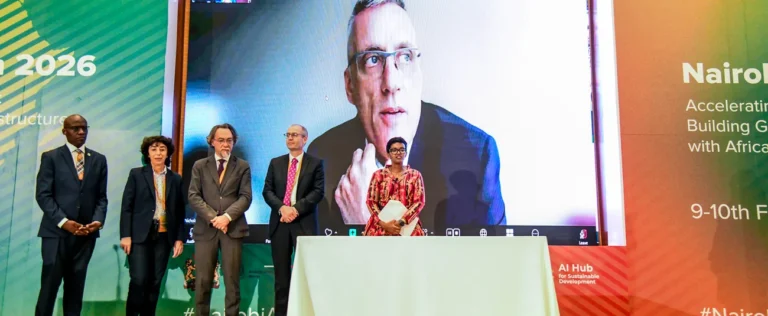
At a recent lecture at the University of Lagos, Hamzat argued that Nigeria should develop AI with African intelligence built into it, including systems capable of helping children learn through indigenous languages.
Also Read: Why Women Educators Could Shape Nigeria’s Next Digital Literacy Drive
AI skills are becoming central to teacher development
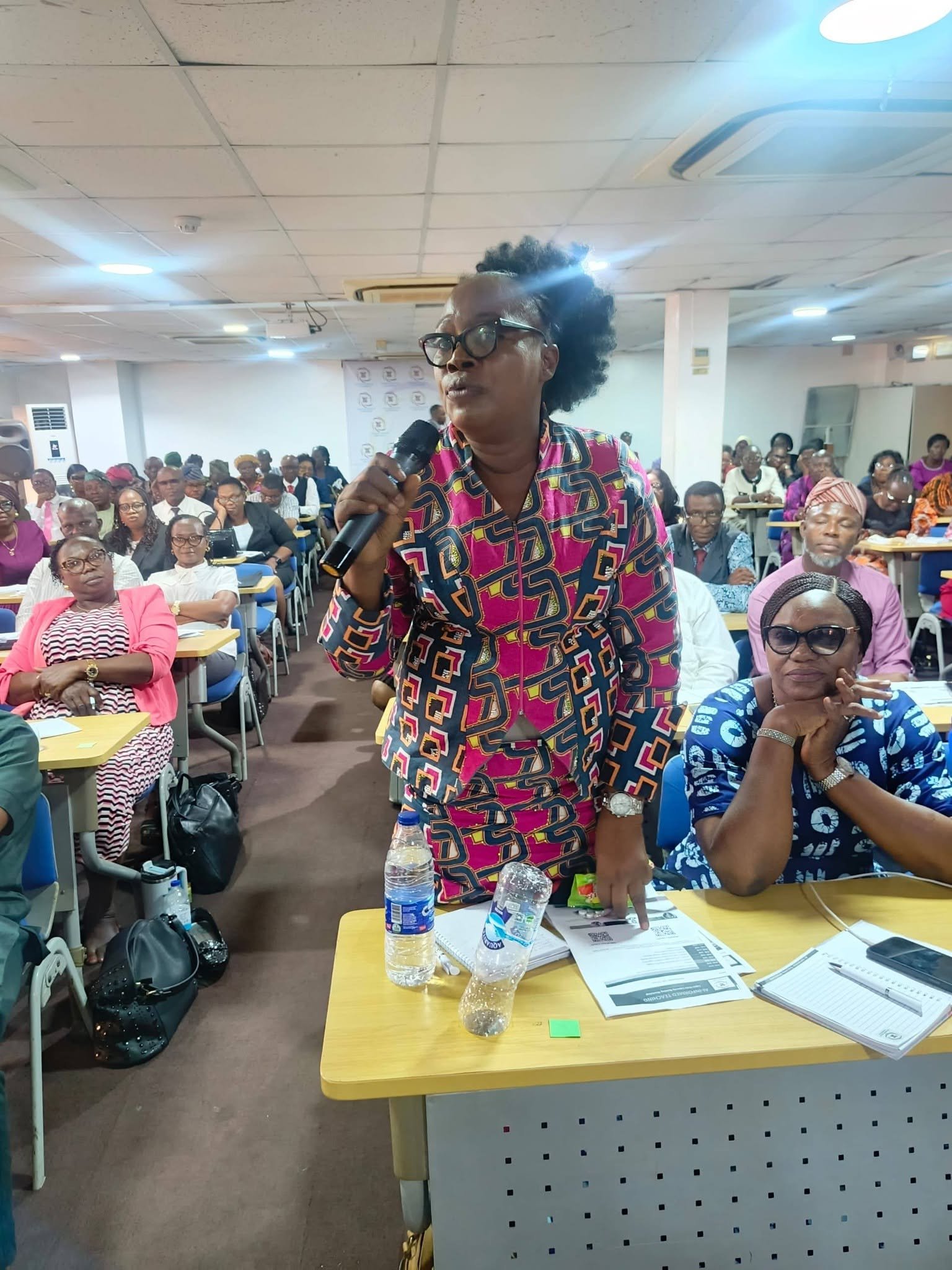
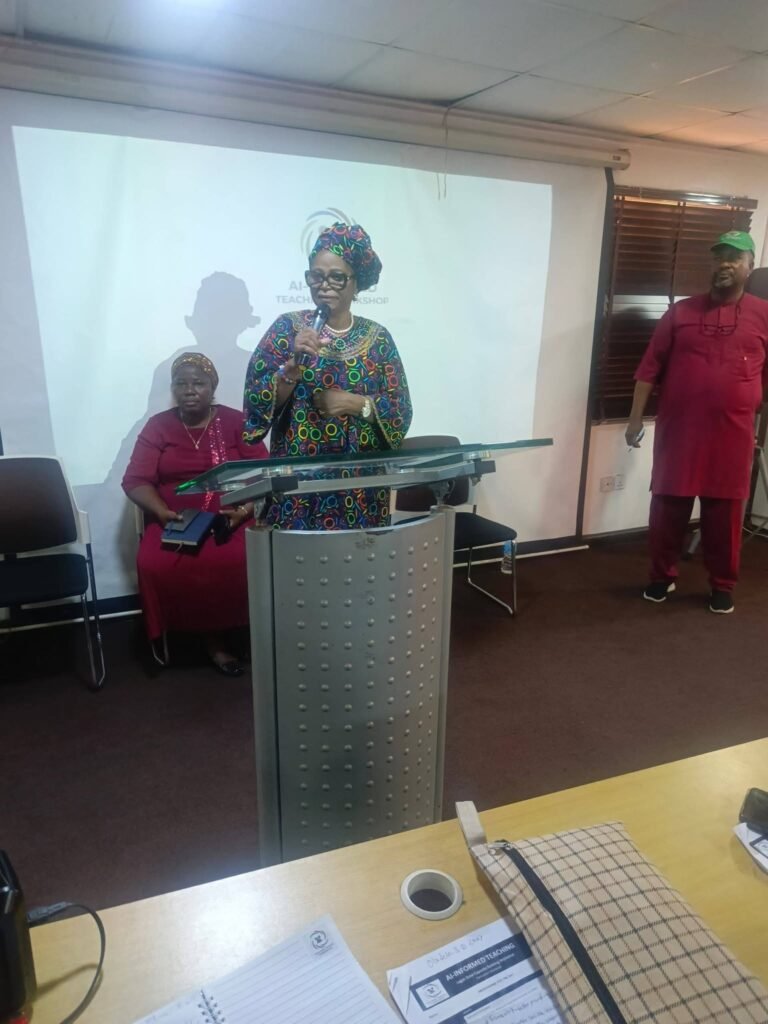
At the World Teachers’ Day event, education expert Dr Olatoye Makaila Ayinde called for sustained professional training in artificial intelligence and digital content creation. He also advocated modern laboratories, smart classrooms and improved internet access in public schools.
Across Nigeria, other programmes are preparing educators for the shift. The MTN-SAIL Teachers’ Fellowship said in September that 5,000 public school teachers had been trained in inquiry-based learning and AI-assisted teaching, with its latest cohort receiving formal AI training for the first time.
Lagos students are also being brought into the conversation. In July, Tech4Dev trained 135 girls from 27 public secondary schools in an AI challenge. The students developed solutions focused on learning accessibility, student safety and bullying, showing how AI education can move beyond theory into practical problem-solving.
These projects point to a wider change. AI education in Lagos is gradually becoming about both teacher capacity and student creativity.
Back story: Lagos has been building a digital education system
The current AI push did not start from zero. Lagos launched EKOEXCEL in 2019 as a technology-supported education reform programme for public primary schools. The programme uses teacher tablets, digital lesson support and data tools to strengthen classroom delivery and monitor learning. The official EKOEXCEL platform says all 1,009 Lagos public primary schools are covered by the programme.
The state has also begun using digital systems to improve education planning. In July, Lagos commenced implementation of the Digital National Education Management Information System for the 2026 Annual School Census across public and private primary and secondary schools. The transition from manual collection is designed to improve the quality of data available for planning, budgeting and resource allocation.
Private investment is adding another layer. In September, the Leo Stan Ekeh Foundation commissioned AI Technology Centres at Gbagada Senior Grammar School and Lanre Awolokun High School. The facilities include computers, interactive AI-enabled screens, renewable energy systems and Starlink internet connectivity.
Lagos faces the harder test beyond technology
For Lagos, the real test will be whether digital ambition reaches ordinary classrooms consistently. A smart screen cannot replace a trained teacher, just as an AI tool cannot solve unreliable electricity, poor connectivity, overcrowding or inadequate learning materials.
Sanwo-Olu said his administration recruited 4,353 qualified teachers between 2023 and 2025 and has approved another recruitment exercise through the Lagos State Universal Basic Education Board. The government also reported N102.5 million in housing loans for teachers.
Teachers themselves are still asking for better security, infrastructure, welfare and professional recognition. The government has approved the return of the Teachers’ Merit Awards, according to the state’s education commissioner.
That balance is important. Lagos can pursue AI and digital education while still strengthening the basic conditions that make teaching effective. The strongest version of this reform will not be one where technology attracts the most attention, but one where technology helps teachers prepare better lessons, gives students more ways to learn and helps government understand what schools actually need.
For Lagos students entering an increasingly digital economy, that could make the difference between simply using technology and truly being prepared for it.