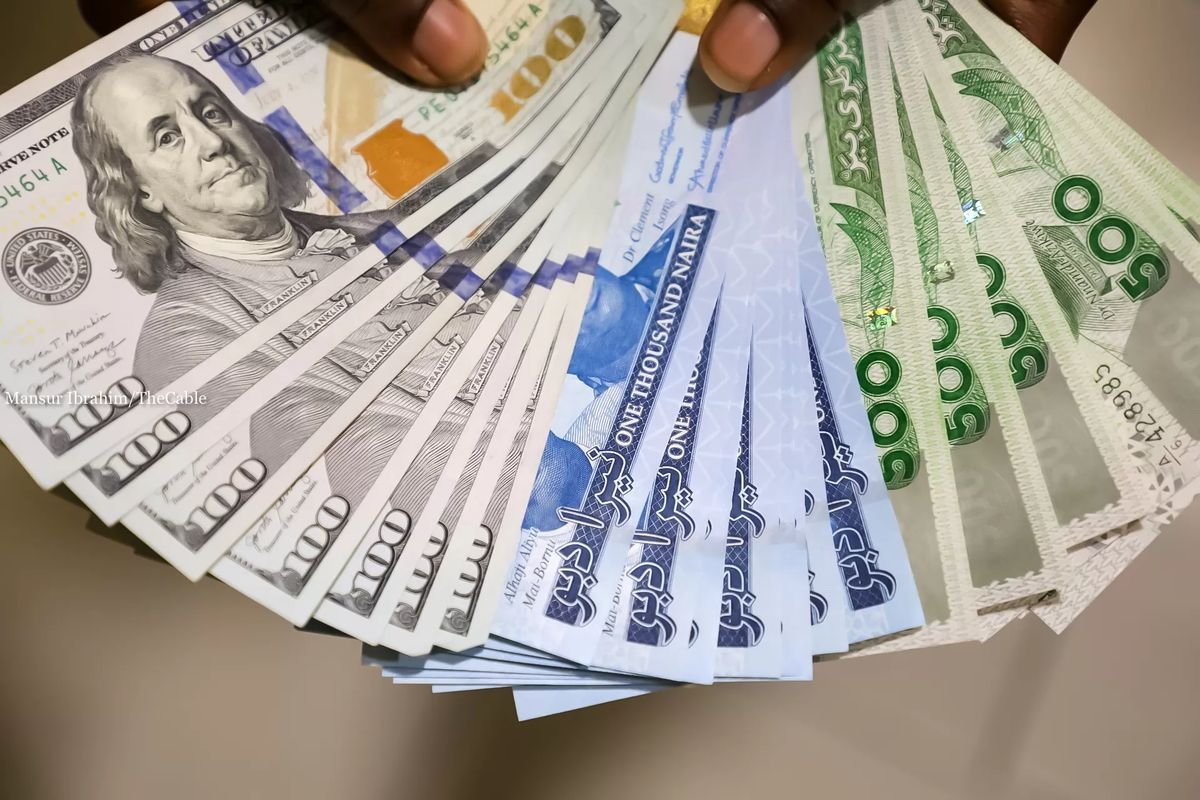

The naira stabilizes against dollar across official and parallel trading windows in early October, demonstrating continued resilience following extended monetary policy interventions.
According to transaction updates from the Nigerian Foreign Exchange Market (NFEM), the local currency traded near ₦1,331 per dollar at the official window. Meanwhile, parallel market dealers reported buying rates around ₦1,357 to ₦1,370 per greenback. Consequently, the valuation gap between official banking channels and street traders narrowed to its lowest level in recent months.
Also read Naira Under Pressure as Dollar Demand Surges
Backstory: Market Convergence and Foreign Reserve Strengthening
To understand why current foreign exchange conditions show increased stability today, we must look at how monetary authorities managed historic currency volatility. For several years, sharp divergence between official bank rates and street markets triggered widespread speculation, acute dollar scarcity, and severe price inflation across consumer goods.
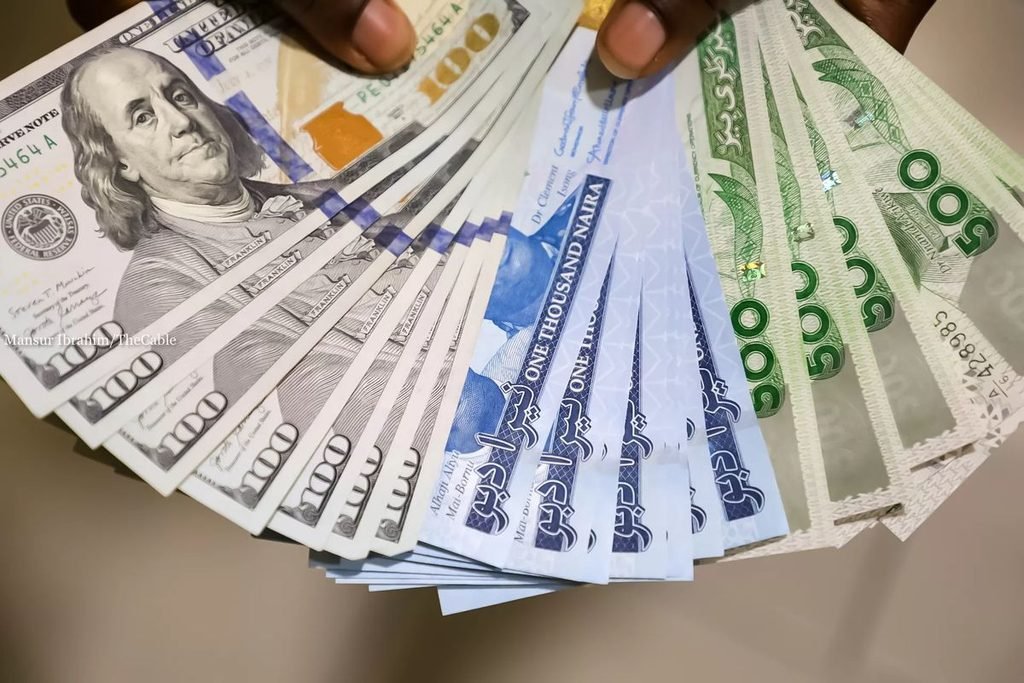
To address these systemic disruptions, central bank leadership introduced unified volume-weighted pricing and elevated policy rates to attract portfolio inflows. Furthermore, steady accumulation of gross foreign reserves over recent quarters created a substantial liquidity buffer. As a result, commercial banks now fulfill routine import orders and tuition requests without generating market panic.
- 2023–2025: Widening parallel market premiums fueled currency speculation and severe foreign exchange shortages.
- Early 2026: Monetary authorities implemented volume-weighted pricing to align official and unofficial exchange channels.
- October 2026: Improved reserve buffers and steady turnover keep the official-parallel spread under ₦30.
Market Convergence Benefits Businesses and Import Planning
With currency fluctuations holding within a predictable corridor, corporate planning across key sectors has grown far more manageable. In response to stabilized rates, local manufacturers can price imported raw materials with greater certainty, avoiding sudden margin erosion.
“The continued narrowing of the spread between official and parallel rates reflects improved transparency and liquidity across formal channels,” noted foreign exchange analysts reviewing weekly market activity. “This alignment deters speculative hoarding while supporting orderly trade settlement.”
In summary, as the naira stabilizes against dollar benchmark rates, financial stability gradually strengthens across the local economy. Continued foreign reserve growth and disciplined market intervention remain essential to maintaining this equilibrium.