
Enugu State is moving to reposition one of its major digital infrastructure assets as a centre for artificial intelligence, technology training and global outsourcing, in a move that could reshape the state’s role in Nigeria’s growing digital economy.
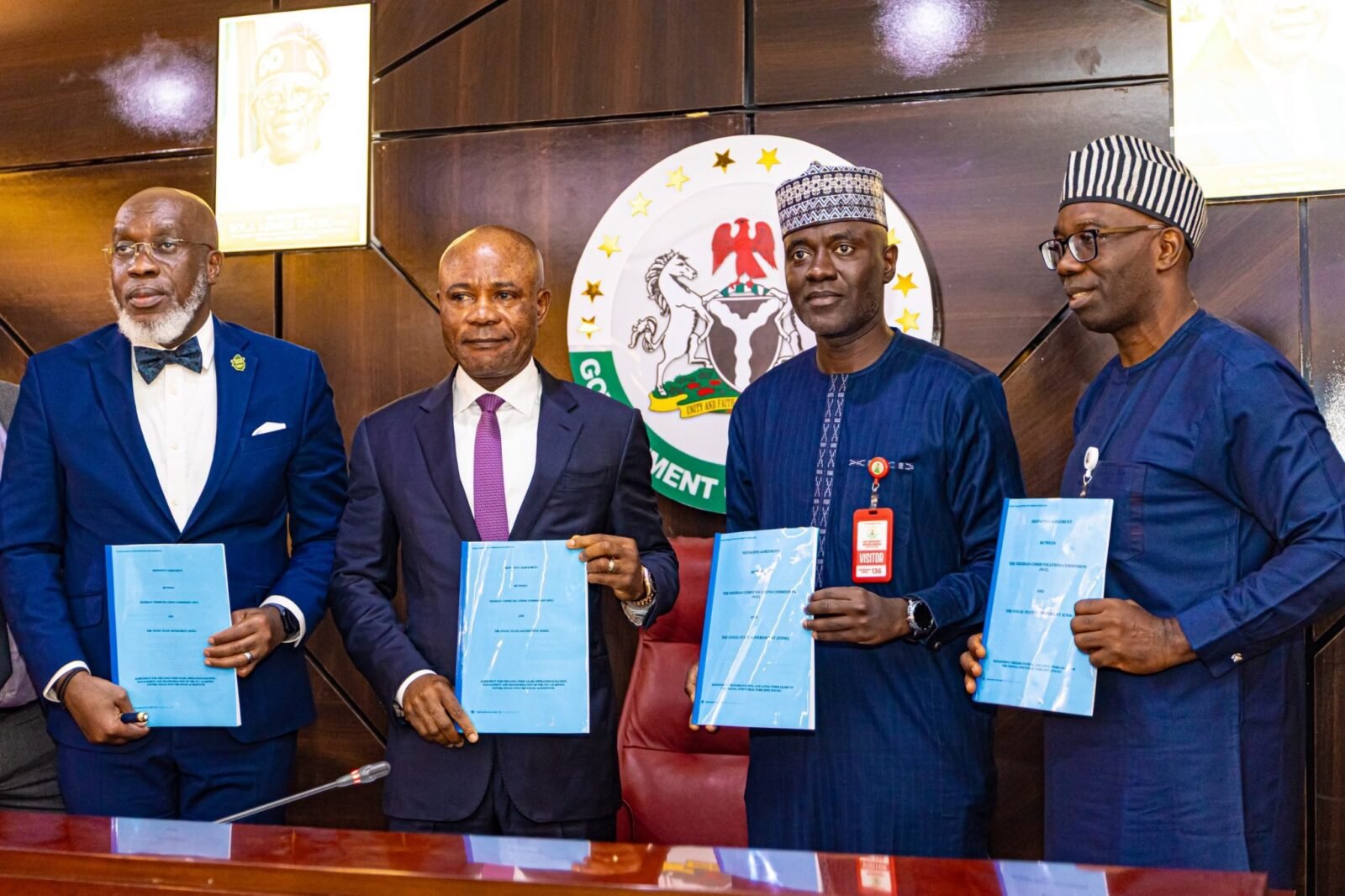
The development followed the transfer of the Digital Industrial Park and Digital Bridge Institute facilities to the Enugu State Government by the Nigerian Communications Commission under a 15-year operational lease agreement. The handover took place at the Enugu State Government House on August 4, 2026.
Governor Peter Mbah’s administration plans to transform the Digital Industrial Park into what it calls Enugu Talent City, with a focus on Business Process Outsourcing, Knowledge Process Outsourcing, technology-enabled services and the development of young professionals for international markets.
The Digital Bridge Institute, meanwhile, is expected to be upgraded into an artificial intelligence institute and AI certification centre serving Nigeria and the wider African continent.
The ambition goes beyond simply renovating an existing facility. Enugu wants to create an ecosystem where young Nigerians can learn advanced digital skills, build businesses and work for international clients without necessarily leaving the country.
Enugu’s Digital Industrial Park Set for Major Transformation
The agreement gives Enugu access to facilities originally designed to support digital skills, innovation, entrepreneurship and technology-enabled businesses.
According to the NCC, the Digital Industrial Park is one of six such facilities established across Nigeria. The commission said the infrastructure was intended to deepen digital skills, support startups, attract investment and create employment, particularly through sectors such as BPO and KPO.
For Enugu, the facilities provide an opportunity to connect education and employment more directly. Rather than training young people only for certificates, the state is positioning the project around skills that can be sold in international markets.
That includes areas such as artificial intelligence, software engineering, cloud computing and cybersecurity.
Earlier plans reported by TechCabal also indicated that Enugu was considering a broader AI ecosystem, including a new 21,000-square-metre technology hall with laboratories, prototyping facilities and spaces for researchers and founders. The initial phase of the wider project was estimated at about $15 million, with private-sector participation expected to play an important role.
Also Read: What Nigeria Can Learn from Egypt’s German-Style Technical Schools
Why the Enugu Talent City Plan Matters
The most interesting part of the initiative is its attempt to tackle two problems at once: Nigeria’s shortage of highly skilled technology workers and the continuing movement of young professionals abroad in search of better opportunities.
Governor Mbah has repeatedly promoted the idea that Nigerians should be able to earn from global markets while remaining in the country. The state’s approach is therefore centred on exporting skills and digital services rather than exporting people.
That thinking is already reflected in Enugu’s wider digital development strategy. The state has been investing in digital skills, startup programmes and technology infrastructure, while its official startup incubation programme identifies the Digital Industrial Park and Digital Bridge Institute as possible pathways for participants seeking advanced training.
If properly implemented, Enugu Talent City could create a pipeline connecting training to employment, entrepreneurship and international business opportunities.
For Nigerian youths, that distinction matters. Training someone in software development or AI is useful, but creating a place where that person can access clients, mentors, infrastructure and investment is potentially more valuable.
Also Read: Can Nigeria Become Africa’s Largest Producer of AI Talent by 2030?
Back Story: From Unfinished Infrastructure to Digital Economy Ambition
The transformation has been in development for some time. In March 2025, Enugu announced that it was working towards a long-term lease arrangement with the NCC for the Digital Industrial Park and Digital Bridge Institute, with plans to repurpose the facilities into an academic and innovation hub, outsourcing centre and digital training facility.
By August 2026, that plan had moved from negotiation to implementation, with the NCC handing the facilities to the state under the 15-year agreement.
The timing is significant as artificial intelligence continues to change the global labour market. Countries and cities are increasingly competing not only for technology companies but also for the skilled workers who can build and operate AI systems, software products and digital services.
For Enugu, the challenge now is execution.
Buildings alone will not make the state an AI destination. The real test will be whether the facilities produce skilled workers, viable startups, international contracts and sustainable jobs.
If Enugu can successfully connect its education system, technology infrastructure, private-sector partners and young talent, the Digital Industrial Park could become more than another government technology project. It could become a practical gateway through which Nigerian talent reaches the global economy from home.