As Nigeria continues to battle youth unemployment, skills shortages and a growing demand for job-ready graduates, Egypt is quietly building a technical education model that is attracting international attention. Through a long-standing partnership with Germany, the North African nation is expanding a network of applied technology schools designed to equip students with practical skills that meet the needs of industries at home and abroad.
The latest phase of the partnership was announced during a visit to Berlin, where Egyptian authorities signed agreements to establish more Egyptian German Applied Technology Schools focused on sectors including construction and hospitality. The schools are expected to operate using internationally recognised standards while preparing students for careers in both local and global labour markets.
For Nigeria, where employers frequently complain that many graduates lack practical workplace skills, Egypt’s experience offers valuable insights into how technical education can become a driver of economic growth instead of remaining an alternative for students who miss out on university admission.
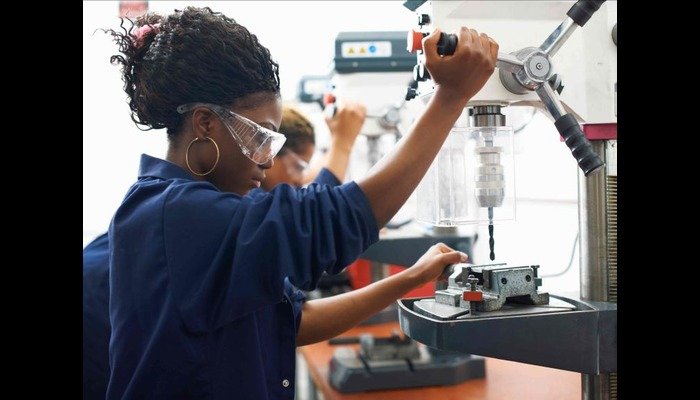
Rather than treating vocational education as a second choice, Egypt has made it part of a broader national strategy to improve industrial productivity and create a workforce that matches current economic needs. The country’s applied technology schools work closely with private companies, ensuring that students receive classroom instruction alongside practical industrial training.
One of the strongest features of the model is industry participation. Businesses help shape the curriculum, provide training facilities and create pathways into employment. This means students are learning the exact skills employers require instead of relying solely on theoretical knowledge.
Another major advantage is international certification. Egypt is working towards giving technical education graduates qualifications that are recognised beyond its borders, making it easier for skilled workers to compete for opportunities in overseas markets. At the same time, partnerships with German institutions continue to strengthen teacher training, curriculum development and quality assurance.
Nigeria already possesses many technical colleges, polytechnics and vocational centres across the country. However, many of these institutions struggle with outdated equipment, inadequate funding, weak links with industries and a public perception that technical education is inferior to university degrees.
Addressing these challenges requires more than renovating classrooms. There must be stronger collaboration between government, manufacturers, technology firms and construction companies so that students gain real workplace experience before graduation. Modern laboratories, digital learning tools and continuous teacher development would also improve the quality of technical training.
There is also an opportunity to align technical education with Nigeria’s fastest-growing industries. Renewable energy, software development, agriculture, manufacturing, construction, healthcare technology, logistics and automobile maintenance all require skilled professionals who can begin contributing immediately after completing their training.
Egypt is also investing in programmes that allow selected technical students to receive vocational training opportunities in Germany. Such initiatives expose students to international best practices while creating opportunities for skills transfer when they return home.
If Nigeria develops similar international partnerships while strengthening domestic industries, technical education could become a powerful tool for reducing unemployment and increasing economic competitiveness.
Also Read: Nigeria Strengthens Technical Education Through Fresh Germany Partnership to Boost Skills and Jobs
Why This Matters for Nigeria
Nigeria has one of Africa’s youngest populations, with millions of young people entering the labour market every year. Unfortunately, formal employment has not expanded at the same pace. Many employers report difficulty finding workers with practical technical skills despite high numbers of graduates.
A stronger vocational education system could help bridge this gap by producing technicians, electricians, software specialists, welders, mechatronics experts, construction professionals and renewable energy installers who are immediately employable.
The Federal Government has already shown renewed interest in vocational education reforms in recent years, including greater emphasis on practical skills within the school curriculum. Building on these efforts by adopting successful elements from countries such as Egypt could accelerate progress and improve outcomes for students and employers alike.
Changing public perception is equally important. Technical education should be viewed as a respected career pathway that offers excellent earning potential and entrepreneurial opportunities rather than a fallback option. Countries with strong manufacturing and industrial sectors often rely heavily on highly trained technicians whose expertise is essential to economic growth.
Also Read: Nigeria Elevates TVET as National Priority to Tackle Unemployment and Drive Economic Growth
Back Story
Egypt has spent several years reforming its technical and vocational education sector through partnerships with Germany, development agencies and private industry. The reforms focus on competency-based learning, practical industrial experience, internationally recognised certification and close collaboration with employers.
Recent agreements signed in Germany aim to expand Egyptian German Applied Technology Schools into additional sectors while strengthening vocational training systems that meet international standards. The broader goal is to prepare graduates who are equipped for local industries and increasingly competitive global labour markets.
As African economies compete for investment and industrial growth, Egypt’s experience demonstrates that well-planned technical education reforms can become a strategic advantage. For Nigeria, adopting similar principles while tailoring them to local realities could help create a more skilled workforce, support industrialisation and improve employment prospects for millions of young people.