
Nigeria records $31.54 billion in crude oil export revenue for the 2025 fiscal year
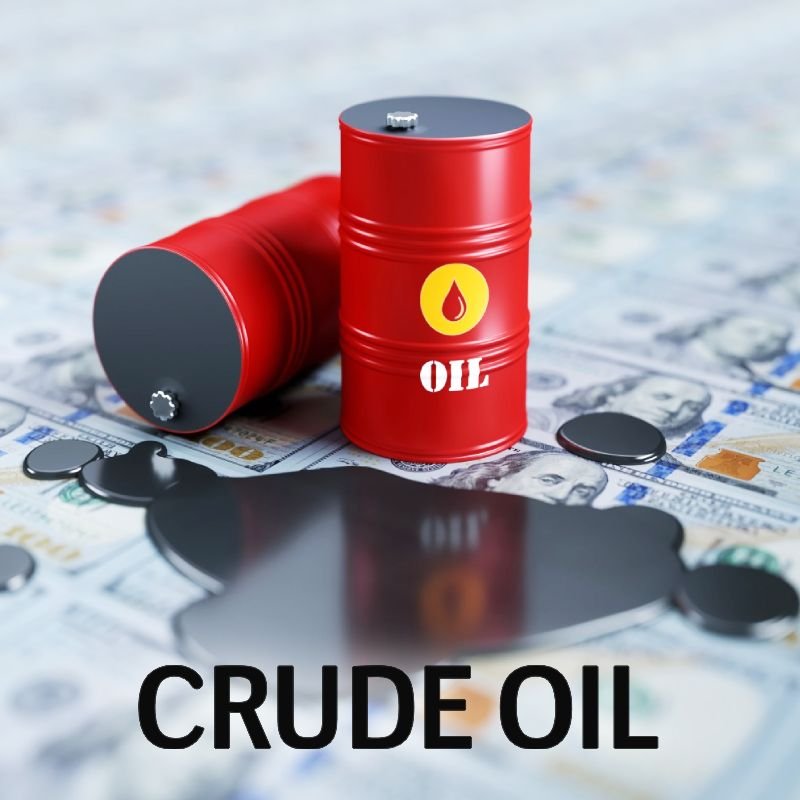
Nigeria’s economic landscape has received a significant boost as official data confirms that the nation earned a staggering $31.54 billion from crude oil exports throughout 2025.
For those of us closely tracking the pulse of the Nigerian economy, this figure represents more than just a line item in a ledger; it is a testament to the resilience of our primary export sector amidst a fluctuating global energy market.
While we have seen our fair share of “ups and downs” in recent years, this substantial inflow of foreign exchange provides a much-needed cushion for our national reserves.
As a professional editor observing these trends, I find that the human story here lies in the potential for these earnings to stabilize the Naira and provide the fiscal space required for the government to address pressing domestic challenges.
Breaking down the $31.54 billion windfall for the Nigerian economy
The reported $31.54 billion represents the total value of crude oil shipped to international markets between January and December 2025. This performance is a notable milestone, reflecting a period of relatively stable production and favorable pricing on the global stage.
It is important to recognize that these earnings are the lifeblood of our federation, funding everything from civil service salaries to critical capital projects. When the oil sector “vibrates” positively like this, the ripple effects are felt across various sectors, improving the liquidity available to the Central Bank to manage our foreign exchange needs.
For the average Nigerian, these billions signify a strengthening of the nation’s “purse,” which is essential for maintaining the economic momentum we have worked so hard to build over the past year.
The interplay between production quotas and global market dynamics
The success of the 2025 fiscal year can be attributed to a combination of improved security in the Niger Delta and a disciplined adherence to OPEC+ production quotas.
By successfully tackling some of the systemic leaks and “bunkering” issues that have historically plagued our output, Nigeria was able to maintain a more consistent presence in the global market. Furthermore, the international price of Brent crude remained at a level that allowed our margins to stay healthy.
This synergy between domestic stability and global demand is what allowed us to hit the $31.54 billion mark. It serves as a reminder that when we get our internal processes right, the rewards are immediately visible in our national accounts, providing a solid foundation for the 2026 economic roadmap.
Fiscal implications for the 2026 national budget and infrastructure
With these earnings now solidified, the focus naturally shifts to how this revenue will be utilized to drive the 2026 agenda. A significant portion of this $31.54 billion will be instrumental in deficit reduction and the funding of ambitious infrastructure projects across the six geopolitical zones.
From the completion of major highway expansions to the modernization of our power grid, the “oil money” remains the primary engine for physical development in Nigeria. For the professional observer, the challenge is always ensuring that these funds are deployed with the highest level of transparency and accountability.
If managed effectively, the 2025 revenue surplus could be the “ginger” needed to accelerate the completion of legacy projects that have been on the drawing board for years.
Balancing oil dependency with the push for economic diversification
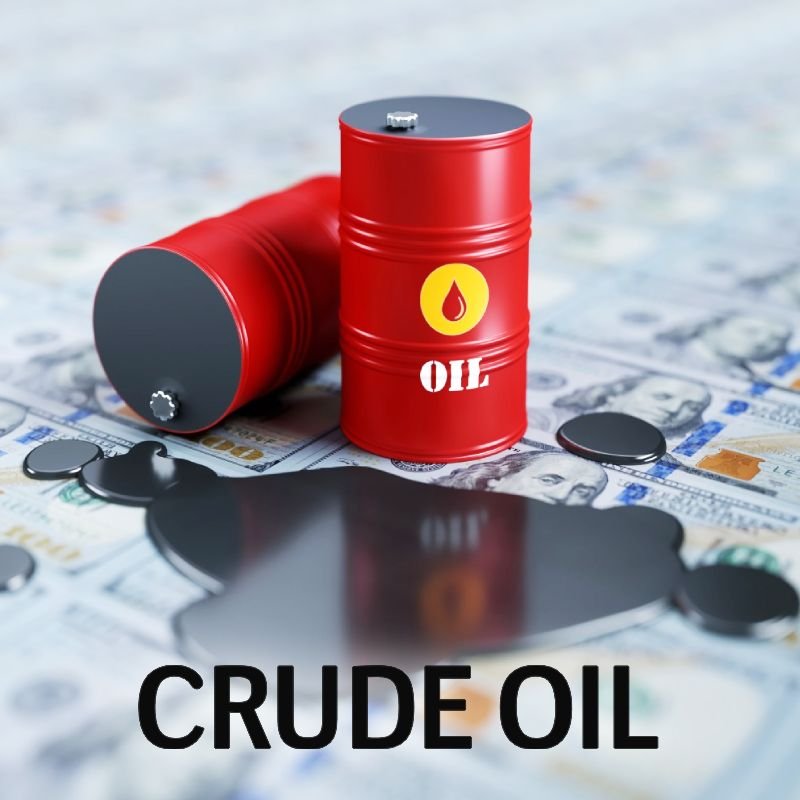
While we celebrate this $31.54 billion achievement, the conversation in the boardrooms of Abuja and Lagos remains centered on one crucial theme: diversification. Relying so heavily on a single commodity means our economy is always at the mercy of global “shocks.
” The 2025 earnings should, therefore, be viewed as a strategic bridge—a means to fund the growth of our non-oil sectors such as agriculture, technology, and manufacturing.
As we move further into 2026, the goal is to ensure that the wealth generated from our oil wells today is used to build a future where we are no longer “mono-product” dependent.
By reinvesting these profits into a more varied economic base, we can ensure that the prosperity of today becomes a permanent feature of the Nigerian story for generations to come.
Join Our Social Media Channels:
WhatsApp: NaijaEyes
Facebook: NaijaEyes
Twitter: NaijaEyes
Instagram: NaijaEyes
TikTok: NaijaEyes