
Nigeria stands at a crossroads as Artificial Intelligence reshapes the global economy and every sector of life. Professionals around the world are applying AI to solve complex problems, automate routine tasks, and build innovative industries. Yet many Nigerian graduates, despite being intelligent and hardworking, enter the workforce without the skills needed in this emerging technological landscape. Some leave university having learned outdated tools and methods while missing exposure to AI and cloud-based technologies that define modern workspaces. This raises a critical question: is Nigeria’s education system truly ready to equip students for the age of artificial intelligence and digital transformation?
The reality is that the Nigerian system, from undergraduate programmes to vocational training, still leans heavily on traditional teaching approaches. Students spend years on subjects that once mattered but are no longer central to global innovation. Meanwhile, the technology world has pivoted towards machine learning, data engineering, intelligent systems and cloud computing. Graduates who reach the job market without learning to deploy applications to the cloud or experiment with AI models face a steep disadvantage. The issue does not lie with student potential; it stems from systemic stagnation within education itself.
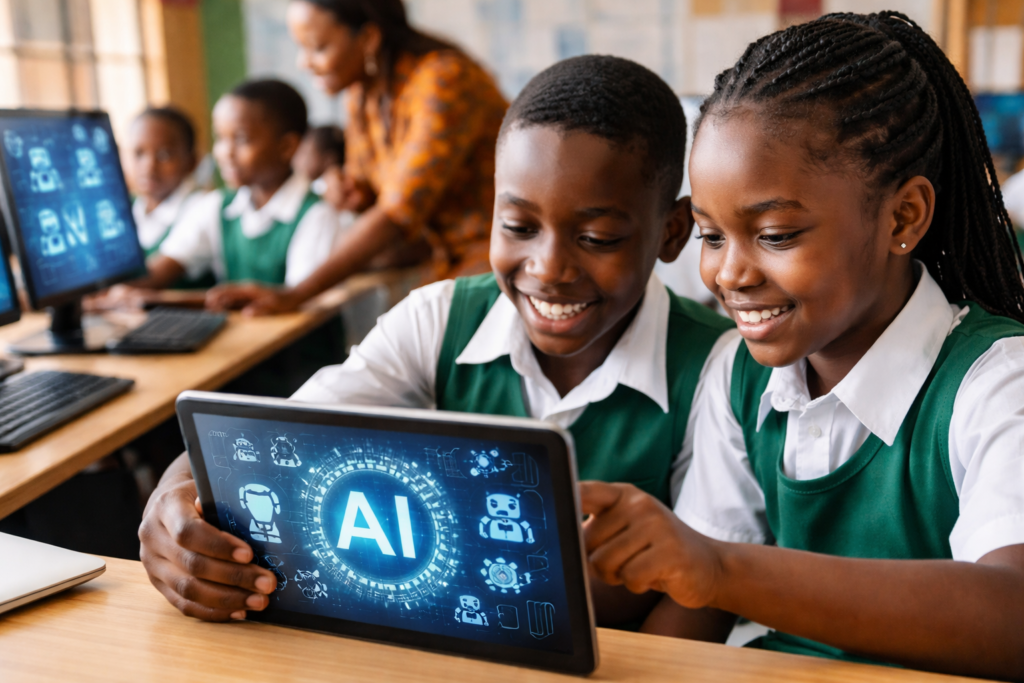
Outdated Curricula and Global Shifts in Technology Education
Across many tertiary institutions, computer science and related programmes still emphasise programming languages and frameworks that were once relevant but are now peripheral to innovation. There are limited opportunities for students to work with real-world AI tools or engage with cutting-edge trends such as large language models and data automation. These gaps widen the divide between theory in the classroom and the demands of employers.
Contrastingly, universities in countries like the United Kingdom, Singapore, Germany and Estonia are taking proactive steps to align education with industry demand. Through partnerships between academia and global technology firms, students in these countries engage with cloud computing, cybersecurity, AI research and machine learning early in their academic careers. Adjunct lecturers from industry bring practical experience into the classroom, and apprenticeship models ensure students gain structured workplace exposure before graduating. These forward-looking practices produce adaptable talent ready to compete globally.
In Nigeria, however, a yawning gap exists between universities and industry. Academic staff often operate with limited resources, outdated laboratories and rigid bureaucratic processes for curriculum change. Even when talented industry professionals want to contribute, they are usually deterred by poor remuneration and inflexible institutional schedules. As a result, students miss out on mentorship and guided learning from experts immersed in the AI revolution.
Barriers and Opportunities for Transformation
Several structural barriers hinder the integration of artificial intelligence into Nigeria’s education ecosystem. Infrastructure challenges remain foundational; many schools struggle with unstable internet connectivity and irregular power supply, making it difficult to adopt and use digital tools effectively. This lack of basic infrastructure alone stalls any meaningful progress in digital learning and AI adoption.
Teacher readiness also presents a significant challenge. Many educators lack exposure to AI literacy and digital pedagogy. Without targeted training and capacity building, even the best developed AI curricula will fail to resonate in the classroom. Training teachers to understand and use AI tools is as critical as designing new coursework.
High costs and limited policy frameworks also limit the pace of adoption. Many institutions cannot afford modern hardware, software licences and maintenance, while national education policies lack comprehensive strategies to incorporate AI across levels of schooling. These gaps require attention from stakeholders across government, industry and civil society.
Despite these obstacles, there are clear opportunities for growth. Students who take initiative by learning through online resources, pursuing internships, participating in hackathons and building real applications stand out to employers. In fact, it is often these self-directed learners who combine creativity with technological competence who succeed, even in resource-constrained environments.
A Roadmap to a Future-Ready Education System
There are practical steps Nigeria can take to align its educational institutions with the demands of the AI era. First and foremost, curriculum reform is essential. This reform should prioritise current technologies, data literacy, machine learning fundamentals and ethical considerations relating to AI. Rather than memorising syntax and old programming models, students should graduate with experience building real systems, training simple models, and working in collaborative, version-controlled environments.
Structured partnerships between academia and industry would be transformative. Universities can create flexible part-time teaching opportunities for professionals, leverage hybrid learning models, and invite industry leaders to co-design and co-deliver relevant modules. This would help bridge the gap between academic theory and practical skills while inspiring students with real cases and ongoing projects.
Government policy must also evolve to treat technology education as strategic national infrastructure. Increased funding for modern computer labs, stable internet connectivity and research incentives will build a stronger foundation for AI education. Regulatory bodies should streamline the approval process for curriculum updates so emerging technologies do not take years to reach classrooms.
Moreover, the mindset within the education community itself must shift. Students should be encouraged to take ownership of their learning and pursue knowledge beyond the classroom. The internet has democratised access to high-quality content, open-source projects and global certification programmes. Those who leverage these resources will not only fill their skill gaps but also contribute to Nigeria’s broader digital economy.

Nigeria’s education system currently faces significant challenges in preparing students for the age of artificial intelligence. But these challenges are not insurmountable. With deliberate coordination among institutions, industry, students and government, the country can transform its education framework to produce graduates who are both globally competitive and ready to harness the power of AI for national development. The talent is here, but what is needed now is strategic reform, investment and collective action.
Join Our Social Media Channels:
WhatsApp: NaijaEyes
Facebook: NaijaEyes
Twitter: NaijaEyes
Instagram: NaijaEyes
TikTok: NaijaEyes