Nigeria’s journey towards a modern, efficient and globally competitive energy sector has taken a decisive turn, as the National Information Technology Development Agency teams up with the Nigerian National Petroleum Company Limited to accelerate technology-driven reforms across the industry.
The renewed collaboration, discussed during a high-level engagement in Abuja, reflects a growing consensus that the future of energy in Nigeria will not be shaped by oil and gas alone, but by how effectively technology is integrated into production, distribution and management systems.
At its core, the partnership signals a strategic shift. It is not just about improving operations within the energy sector, but about redefining how Nigeria leverages innovation to unlock long-term economic growth.
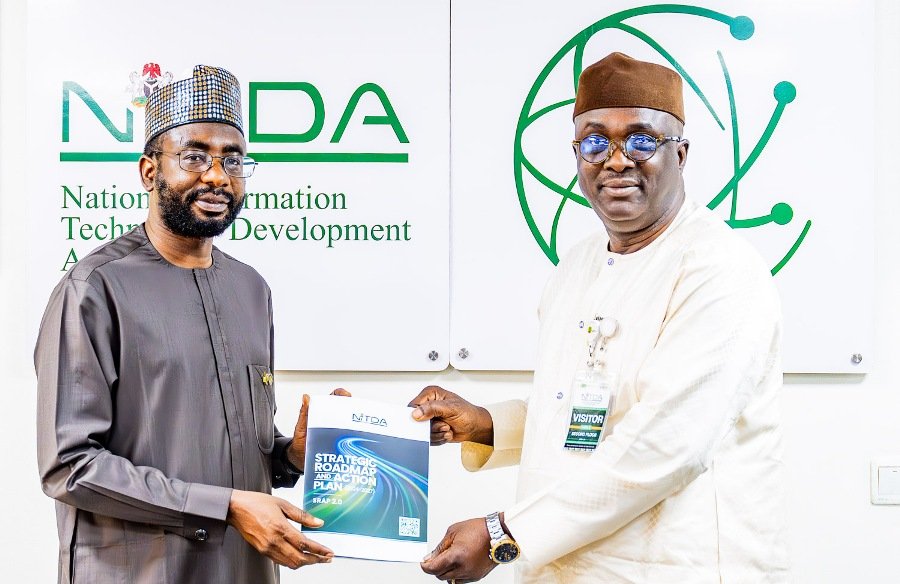
NITDA and NNPC align to redefine Nigeria’s energy future
The partnership between NITDA and NNPC is built on a shared recognition that digital transformation is no longer optional. It is now central to national development.
Officials from both organisations used the engagement to explore how emerging technologies can be deployed across the energy value chain. This includes upstream exploration, midstream logistics and downstream distribution, all of which are currently facing efficiency challenges.
The Director General of NITDA, Kashifu Inuwa, emphasised that the agency is committed to supporting NNPC in transitioning from traditional energy models to innovation-driven systems. He highlighted that information technology has become a major enabler across industries, and the energy sector must not be left behind.
This alignment reflects NITDA’s broader mandate as Nigeria’s ICT policy implementation agency, responsible for driving digital transformation across sectors and strengthening the country’s technology ecosystem.
For NNPC, the collaboration offers an opportunity to tap into a rapidly expanding digital talent pool and innovation network, positioning the company for greater efficiency and competitiveness in a changing global energy landscape.
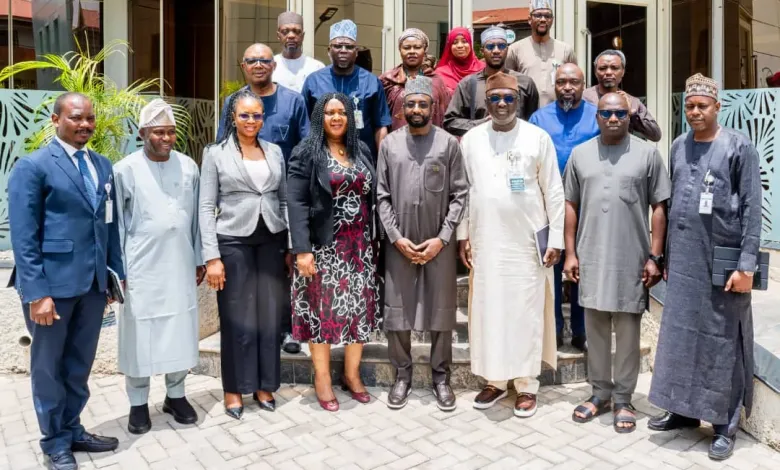
Emerging technologies set to reshape operations in the energy sector
One of the most significant aspects of the partnership is its focus on the adoption of advanced technologies such as artificial intelligence, the Internet of Things and robotics.
These tools are expected to transform how energy operations are managed in Nigeria. From predictive maintenance of pipelines to real-time monitoring of production facilities, digital solutions can significantly reduce waste, improve safety and increase output.
Industry discussions during the engagement highlighted how these technologies could enhance decision-making through data analytics, automate routine processes and reduce operational costs.
Inuwa noted that embracing such technologies would help NNPC move beyond its reliance on traditional oil and gas practices, enabling a more diversified and resilient energy system.
This approach is particularly important as Nigeria seeks to balance its role as a major oil producer with the global shift towards cleaner and more sustainable energy solutions.
By embedding technology into its operations, the country can improve efficiency in existing systems while also laying the groundwork for future energy innovations.
Youth innovation and local talent positioned at the centre of reforms
Beyond infrastructure and systems, the collaboration places strong emphasis on human capital development.
NITDA has indicated that it will connect NNPC with Nigeria’s growing network of startups and innovators. These startups are expected to play a critical role in developing practical solutions tailored to the country’s unique energy challenges.
Through incubation programmes, innovation challenges and partnerships, young Nigerians will have the opportunity to contribute directly to the transformation of the energy sector.
This approach aligns with broader national initiatives aimed at building a digital workforce capable of competing globally. It also reflects a deliberate effort to reduce dependence on foreign technologies by promoting homegrown solutions.
Inuwa stressed the importance of creating an innovation pipeline that links ideas to real-world applications, ensuring that technological advancements translate into measurable economic benefits.
For many observers, this is one of the most promising aspects of the partnership. By involving local talent, the reforms are more likely to be sustainable, scalable and relevant to Nigeria’s needs.
What this partnership means for Nigeria’s economic growth and energy transition
The collaboration between NITDA and NNPC comes at a critical time for Nigeria’s energy sector.
Despite its vast resources, the country continues to face challenges including infrastructure gaps, inefficiencies and limited access to reliable electricity. Integrating technology into the sector offers a pathway to address these issues while also supporting broader economic development goals.
Digital transformation can improve transparency, enhance regulatory compliance and attract investment by creating a more predictable and efficient operating environment.
It also has the potential to drive industrial growth. As energy systems become more reliable and efficient, businesses can operate more effectively, leading to job creation and increased productivity.
At the same time, the partnership supports Nigeria’s transition towards a more diversified energy mix. By leveraging innovation, the country can explore new opportunities in renewable energy while optimising its existing resources.
Ultimately, the success of this initiative will depend on execution. Strong policy support, sustained investment and effective collaboration between stakeholders will be essential to translate these ambitions into tangible outcomes.
What is clear, however, is that Nigeria is taking deliberate steps to align its energy sector with the realities of a digital economy. And if successfully implemented, the NITDA and NNPC partnership could serve as a model for how technology can drive transformation in other critical sectors.
Join Our Social Media Channels:
WhatsApp: NaijaEyes
Facebook: NaijaEyes
Twitter: NaijaEyes
Instagram: NaijaEyes
TikTok: NaijaEyes