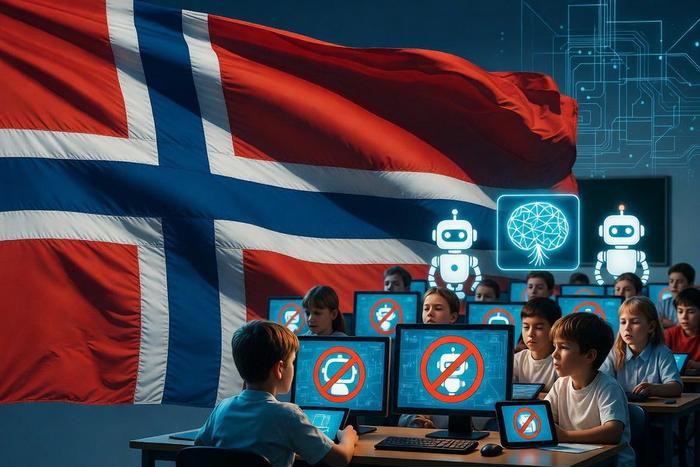

Norway has announced a sweeping restriction on the use of artificial intelligence in primary schools, becoming one of the first countries in Europe to significantly limit access to generative AI for younger learners.
The move has sparked debate among educators, policymakers and technology experts worldwide, with many now asking whether classrooms have embraced AI too quickly and whether foundational learning skills are being sacrificed in the process.
Under the new policy, pupils aged between six and 13 years will generally not be allowed to use generative AI tools in schoolwork. The restrictions are expected to take effect from the start of the new academic year in August. Norwegian authorities say the decision is aimed at protecting children’s ability to develop essential skills such as reading, writing, mathematics and critical thinking.
The announcement comes at a time when schools across the world are grappling with the rapid rise of AI-powered platforms capable of generating essays, solving problems and producing instant answers to academic questions.
For many educators, these tools offer exciting opportunities to personalise learning and improve efficiency. However, others fear that heavy dependence on AI could weaken students’ ability to think independently and build the foundational knowledge required for long-term academic success.
Speaking on the new policy, Norwegian Prime Minister Jonas Gahr Støre stressed that schools must remain focused on the basics of education. According to the government, allowing young children unrestricted access to AI could encourage them to bypass important stages of learning rather than working through challenges themselves.
The restrictions will not apply equally across all age groups. Students between the ages of 14 and 16 will be permitted to use AI tools under the close supervision of trained teachers. Older students in upper secondary education will continue learning how to use AI responsibly as preparation for higher education and future employment.
This graduated approach reflects a growing belief among policymakers that AI should be introduced according to students’ developmental stages rather than being treated as a universal classroom tool.
Why Norway Is Taking a Tougher Position on AI in Schools
Norway’s latest decision did not emerge in isolation. It forms part of a broader national effort to address concerns about educational outcomes and children’s increasing dependence on digital technology.
In recent years, the Norwegian government has become increasingly worried about declining performance in key educational areas. Officials argue that schools must prioritise literacy, numeracy and analytical thinking before introducing advanced technologies that can automate many learning tasks.
Authorities believe younger pupils may lack the critical thinking skills necessary to evaluate AI-generated responses properly. This creates the risk that students may accept incorrect information without questioning it or rely on technology to complete tasks they should be learning to do themselves.
Research into AI use among school-age learners has increasingly highlighted the importance of AI literacy. While studies suggest that students can benefit from AI when properly trained, experts also warn that uncritical dependence on AI systems can reduce engagement with learning processes and weaken problem-solving skills.
Norway’s government appears to have concluded that the risks outweigh the benefits for younger children.
The country has already taken other steps aimed at reducing excessive technology use among young people. In 2024, Norway banned smartphones in schools and strengthened teachers’ authority to maintain classroom discipline. The government has also announced plans to increase the use of physical books in classrooms after years of growing dependence on tablets and digital devices.
Taken together, these measures reveal a broader educational philosophy that places greater value on traditional learning methods and face-to-face classroom engagement.
Also Read: TikTok to Build Second €1 Billion Data Centre in Finland Amid Rising Data Privacy Pressure
Back Story: From Digital Pioneer to Digital Reassessment
What makes Norway’s decision particularly significant is that the country was once regarded as a leader in educational technology adoption.
Norwegian schools began integrating computers into classrooms decades ago and later embraced tablets on a large scale. Digital learning tools became increasingly common, and many schools shifted substantial portions of classroom activities away from textbooks and handwritten work.
For years, technology was seen as a pathway to innovation and improved educational outcomes. However, recent concerns about declining academic performance have prompted policymakers to reassess whether digitalisation has delivered all the benefits that were originally promised.
The emergence of generative AI has accelerated that reassessment.
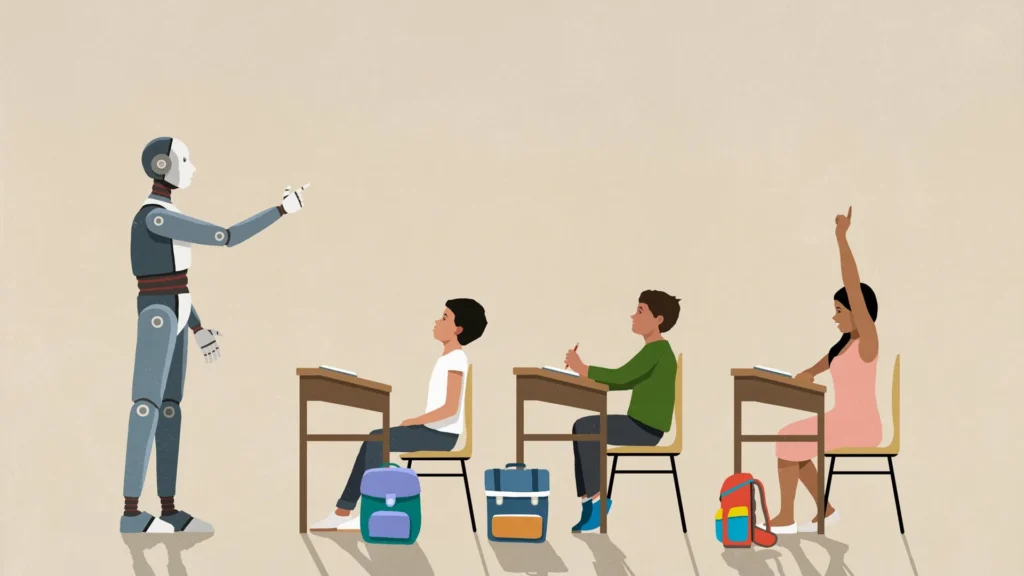
Unlike earlier educational technologies, modern AI systems can perform tasks that traditionally required active student participation. They can write essays, summarise information, solve mathematical problems and generate complete responses within seconds.
Supporters argue that such capabilities can enhance learning when used appropriately. Critics counter that they may encourage shortcuts and reduce opportunities for students to develop independent reasoning skills.
Norway’s decision reflects a growing international debate over where the balance should lie.
Around the world, governments, schools and universities are still trying to determine how AI should fit into education. Some institutions are rapidly integrating AI into teaching and assessment, while others are adopting a more cautious approach. Norway’s restrictions place the country among the most careful adopters of classroom AI for younger learners.
Also Read: BREAKING NEWS: Donald Trump Slams Nigeria With Partial Travel Restriction
What It Could Mean for African Classrooms
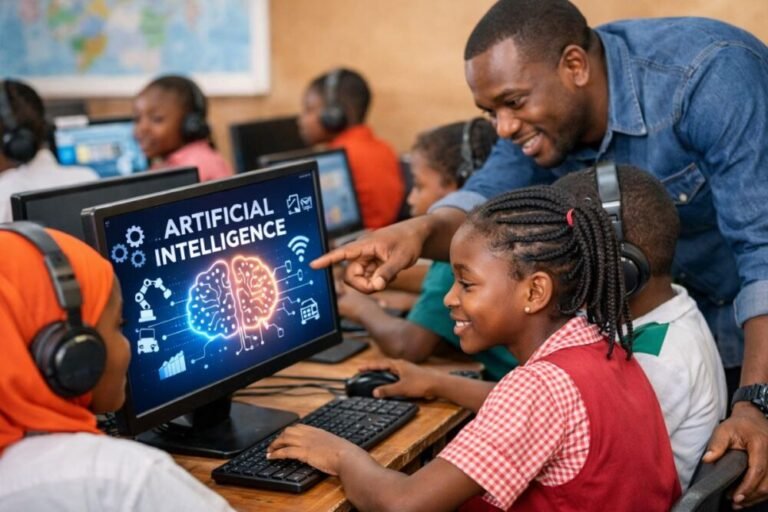
Norway’s move is likely to attract attention far beyond Europe, particularly in Africa, where discussions around AI in education are gaining momentum.
Across many African countries, governments and educational institutions are exploring how artificial intelligence can help address challenges such as teacher shortages, limited learning resources and unequal access to quality education.
AI-powered tutoring systems, automated assessment tools and personalised learning platforms are increasingly being promoted as potential solutions to longstanding educational problems.
Yet Norway’s decision raises an important question: should schools focus first on ensuring that students master basic skills before introducing technologies that can perform some of those tasks on their behalf?
For African education systems, the answer may not be straightforward.
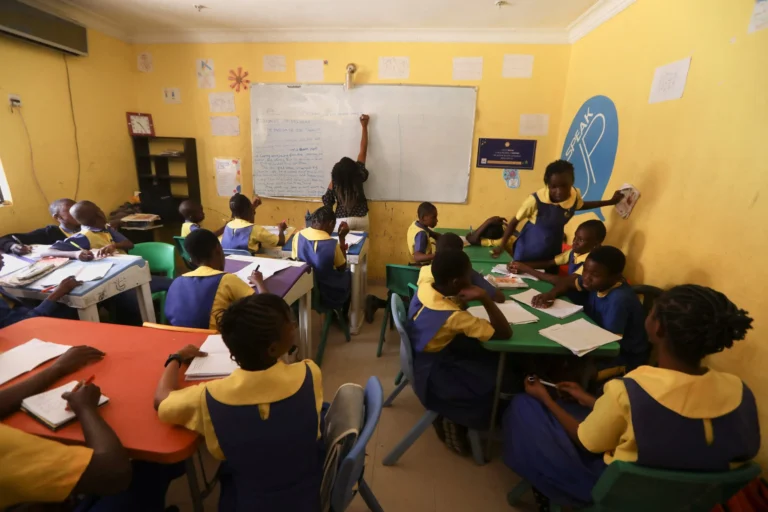
Many schools across the continent continue to face significant resource constraints. In such environments, AI could provide valuable support by expanding access to educational materials and assisting teachers with administrative tasks.
At the same time, educators may need to consider safeguards that prevent students from becoming overly dependent on AI-generated content.
The Norwegian example suggests that the challenge is not simply whether AI should be used in schools, but how, when and by whom it should be used.
Education experts increasingly argue that AI should complement learning rather than replace it. Students must still learn how to read critically, solve problems independently, conduct research and evaluate information for themselves.
As artificial intelligence becomes more deeply integrated into everyday life, these skills may become even more important rather than less.
Norway’s restrictions are unlikely to end the global debate over AI in education. If anything, they are likely to intensify it.
For now, the country has sent a clear message that technological innovation should not come at the expense of foundational learning. Whether other nations follow a similar path remains to be seen, but the discussion is already reshaping conversations about the future of education across the world.