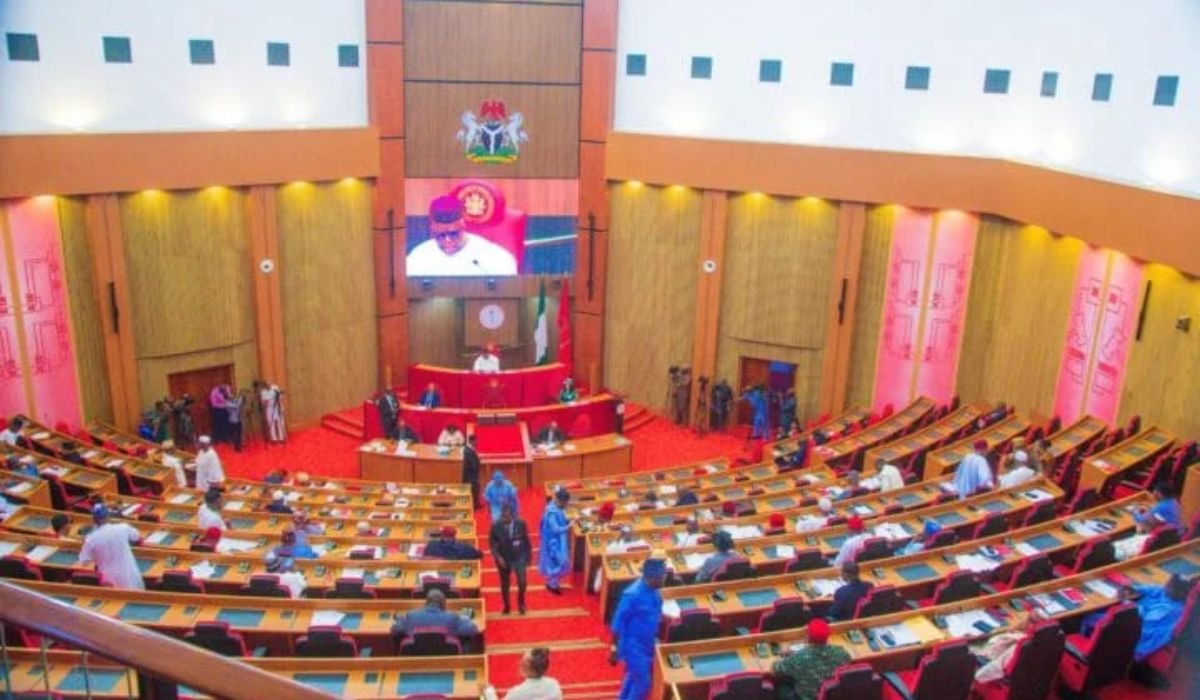

A proposal that could reshape the relationship between global social media companies and Nigeria has received significant backing from industry stakeholders, policymakers and technology experts following a public hearing in Abuja.
The bill, currently before the Senate, seeks to amend the Nigeria Data Protection Act, 2023, by making it compulsory for major social media platforms operating in Nigeria to establish physical offices within the country. Supporters believe the move could strengthen accountability, improve regulatory compliance, create jobs and deepen investment in Nigeria’s rapidly expanding digital economy.
The public hearing, organised by the Senate Committee on ICT and Cyber Security, also considered a separate proposal to establish an Artificial Intelligence Academy in Omuo Ekiti, Ekiti State. Participants described both bills as important steps towards positioning Nigeria for greater leadership in Africa’s technology ecosystem.
Opening the hearing, Senate leaders explained that the proposed legislation is not designed to discourage technology companies from operating in Nigeria. Instead, they said it is intended to encourage stronger engagement between global digital platforms, regulators, businesses and millions of Nigerian users who depend on these services every day.
Why Lawmakers Want Global Platforms to Establish Nigerian Offices
The bill is sponsored by Senator Ned Nwoko, who argued that Nigeria has become one of the world’s largest digital markets yet continues to receive limited direct investment from many multinational social media companies. According to him, platforms that generate substantial business from Nigerian users should maintain a visible corporate presence within the country.
Supporters of the proposal believe local offices would make it easier for regulatory agencies to engage with technology companies on issues such as consumer protection, data privacy, cybersecurity and law enforcement.
Another major argument centres on employment. Stakeholders noted that local offices could create opportunities for software engineers, legal professionals, customer support specialists, marketers, policy experts and content moderation teams. They also believe such investments could encourage technology transfer by exposing Nigerian professionals to global best practices.
Tax compliance is another issue attracting attention. Advocates of the bill say a physical presence could improve transparency and simplify the administration of taxes generated from commercial activities involving Nigerian businesses and users.
During discussions, lawmakers pointed out that many global technology firms already maintain offices in several countries with smaller populations and digital markets than Nigeria. They argued that Africa’s largest economy and one of the continent’s biggest internet communities deserve similar corporate investment.
Stakeholders Say Nigeria’s Digital Economy Could Benefit
Participants at the hearing broadly agreed that requiring a stronger local presence could strengthen confidence in Nigeria’s digital economy.
Technology professionals argued that direct engagement with multinational companies could encourage innovation partnerships with Nigerian startups, universities and research institutions. Such collaboration, they said, would help develop local talent while improving the country’s competitiveness in emerging technologies.
Business groups also believe easier access to company representatives would improve the handling of complaints, regulatory enquiries and business partnerships. At present, many interactions with international platforms are managed remotely, often resulting in delayed responses for users and organisations within Nigeria.
Supporters further maintained that the proposal should not be interpreted as an attempt to restrict free expression or limit access to social media. Instead, they described it as an effort to ensure companies benefiting from Nigeria’s large digital population also contribute more directly to the country’s economic development and institutional growth.
Alongside the social media proposal, stakeholders also endorsed plans for an Artificial Intelligence Academy in Ekiti State. They said specialised AI education would prepare young Nigerians for future careers in machine learning, automation, data science and other advanced digital fields that are increasingly shaping global economies.
Also Read: Drive Without Insurance? Pay N250K as Police Enforce Law
Back Story
The debate over requiring social media companies to establish offices in Nigeria is not new. The Senate first advanced the proposal in 2025 during the legislative process after lawmakers raised concerns that several major platforms served millions of Nigerians without maintaining local operational offices.
Since then, supporters have consistently argued that Nigeria’s enormous online population deserves better engagement from multinational technology companies. They have cited benefits including stronger consumer protection, improved enforcement of data protection laws, better collaboration with security agencies, increased tax compliance and new employment opportunities for Nigerians.
The current public hearing marks another important stage in the bill’s journey through the National Assembly. While stakeholders have expressed overwhelming support, the proposal must still complete the remaining legislative processes before it can become law. If eventually passed and signed, it could significantly change how global social media companies operate within Nigeria while influencing future digital policy across Africa.