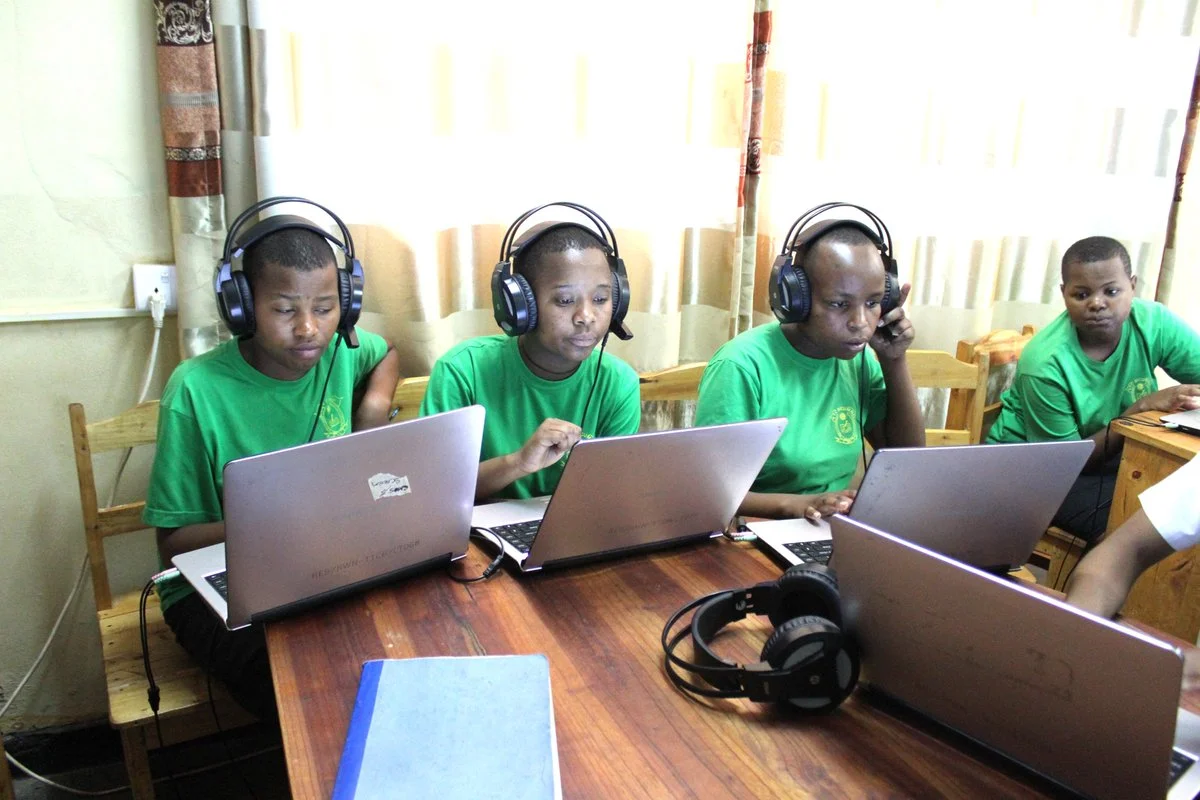

A growing number of Nigerian students are setting their sights on Rwanda as they pursue higher education in technology, innovation and digital skills, reflecting a shift in how young Africans are choosing study destinations.
For many years, countries such as the United Kingdom, Canada and the United States dominated the dreams of Nigerian students seeking international education. Today, however, Rwanda is steadily emerging as an attractive alternative, particularly for those interested in software engineering, artificial intelligence, cybersecurity, data science and entrepreneurship.
Education consultants, scholarship advisers and university representatives say the change is being driven by a combination of affordable tuition, expanding scholarship opportunities and Rwanda’s deliberate investment in becoming one of Africa’s leading technology hubs.
Unlike traditional study destinations where high tuition fees and living costs remain major barriers, Rwanda offers many students an opportunity to study closer to home while gaining internationally recognised qualifications.
Industry observers note that students are no longer choosing universities based solely on reputation. Increasingly, they are looking for countries where education is closely connected to industry, innovation and employment opportunities after graduation.
Several universities in Kigali have strengthened partnerships with technology companies, innovation centres and startup incubators, allowing students to gain practical experience alongside classroom learning. This ecosystem has become particularly attractive to Nigerian students hoping to build careers in Africa’s growing digital economy.
Education advisers also report rising enquiries from Nigerians looking for scholarships that support studies in science, technology, engineering and mathematics. While competition remains intense, Rwanda’s expanding scholarship landscape is encouraging more applications from across West Africa.
Beyond financial support, students are paying closer attention to learning environments that encourage innovation. Kigali’s reputation for digital transformation, smart city initiatives and startup-friendly policies has strengthened its appeal among young Africans seeking practical technology education.
For many prospective students, the attraction extends beyond earning a degree. They see Rwanda as a place where they can build networks, collaborate with entrepreneurs and develop solutions that address African challenges.
Education experts believe this reflects a broader change in students’ priorities. Rather than focusing exclusively on studying outside Africa, many now believe quality education and global career opportunities can also be found within the continent.
Rwanda’s Digital Economy Is Strengthening Its Appeal
Rwanda has spent years positioning itself as a regional technology and innovation destination through investments in digital infrastructure, entrepreneurship programmes and technology-focused education.
Government support for innovation has encouraged the growth of technology hubs, coding academies, research centres and startup communities that provide students with opportunities to gain practical experience before graduation.
This environment is particularly attractive to Nigerian students who want exposure to emerging technologies while remaining within Africa.
Experts also point to shorter travel distances, cultural familiarity and relatively simpler regional mobility compared with studying outside the continent.
At the same time, universities are placing greater emphasis on industry-relevant skills, including software development, cloud computing, artificial intelligence and digital entrepreneurship, areas that continue to experience growing demand across Africa’s labour market.
As African governments continue investing in digital economies, graduates with these skills are expected to find increasing opportunities both within their home countries and across the continent.
Back Story
The growing interest in Rwanda comes at a time when competition for international scholarships has become increasingly intense for Nigerian students.
Recent reports indicate that thousands of qualified Nigerians apply for overseas scholarships each year, but only a small percentage secure funding because of limited available places and financial constraints.
This has encouraged many students to broaden their search beyond traditional destinations and explore emerging education hubs within Africa.
At the same time, technology education has become one of the fastest-growing areas for scholarship funding. Governments, universities and private organisations across Africa have launched programmes aimed at producing more software developers, cybersecurity experts, AI specialists and digital entrepreneurs.
The shift also reflects changing perceptions about African universities. Rather than viewing overseas education as the only pathway to quality learning, many students are increasingly recognising institutions across the continent that offer competitive programmes linked directly to Africa’s economic transformation.
What It Means for Nigerian Students
Education experts believe the increasing interest in Rwanda signals a wider transformation in African higher education.
Students are becoming more strategic in their decisions, weighing affordability, employability, practical learning opportunities and access to innovation ecosystems alongside university rankings.
For Nigeria, this trend also highlights the growing demand for stronger investment in technology education, research facilities and industry partnerships within local universities.
If more African countries continue expanding scholarship programmes, improving digital infrastructure and supporting innovation driven education, students may increasingly find world class opportunities without leaving the continent.
For many Nigerian students planning their future, Kigali is no longer simply another African capital. It is gradually becoming a destination where education, technology and entrepreneurship intersect, offering a new pathway for those determined to build careers in the digital economy.