The Reality of Tech Layoffs in Nigeria’s Startup Space
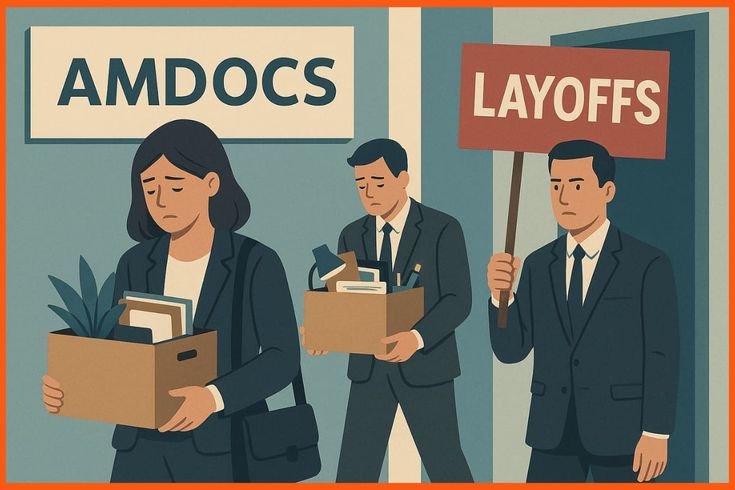
The romantic era of the Nigerian tech boom is facing a sobering reality check. For years, the narrative surrounding local startups was one of endless venture capital, rapid expansion, and aggressive hiring.
However, as we cross the mid-way point of 2026, the ecosystem is telling a vastly different story. A quiet but persistent wave of restructuring has hit several prominent tech hubs across the country. This shift proves that the global funding winter has finally frozen expectations on the ground in Lagos and Abuja.
The New Drive Toward Fiscal Discipline
Why are these highly celebrated startups suddenly letting go of their brightest talents? The primary answer lies in a fundamental change in investor psychology.
In the earlier parts of the decade, venture capitalists prioritized rapid user acquisition and top-line growth over immediate returns. Startups were encouraged to capture market share at all costs, which naturally led to heavily bloated staff strengths.
Today, the macroeconomic environment has grown increasingly volatile. With high inflation and rising interest rates globally, capital is no longer cheap or easily accessible. Investors are now demanding a clear, short-term path to profitability.
For many local founders, the only way to reduce their operational cash burn is to trim down their internal teams. Roles that were once deemed essential are being consolidated or completely eliminated to keep operations sustainable.

Navigating Career Adjustments in a Lean Market
For the affected tech professionals, this downcycle represents a significant career hurdle. Many developers, product managers, and digital marketers are finding themselves back in a highly competitive job market. The sudden influx of available talent has shifted the leverage back into the hands of employers, stabilizing previously skyrocketing salary expectations.
However, the current situation is not entirely bleak. Industry veterans point out that this displacement is fueling a unique talent redistribution. Larger, traditional institutions—such as commercial banks and established manufacturing conglomerates—are eagerly absorbing these experienced tech workers. These traditional sectors are undergoing their own digital transformations. They offer a level of corporate stability that younger startups simply cannot guarantee in today’s financial climate.
Building a Stronger Foundation for the Future
While a reduction in staff is incredibly painful for those directly affected, economists view this correction as a natural stage of market maturity. The current belt-tightening is forcing startups to build highly efficient, sustainable business models from day one. It removes speculative hype and replaces it with grounded financial management.
As the ecosystem adapts to this leaner operational structure, the focus is shifting toward long-term resilience. Startups that survive this period of fiscal discipline will emerge much stronger and more attractive to institutional investors. The dream of digital innovation across the continent is far from over. It is simply being rebuilt on a more honest, stable foundation that balances creative ambition with real-world profitability.
Join Our Social Media Channels: