

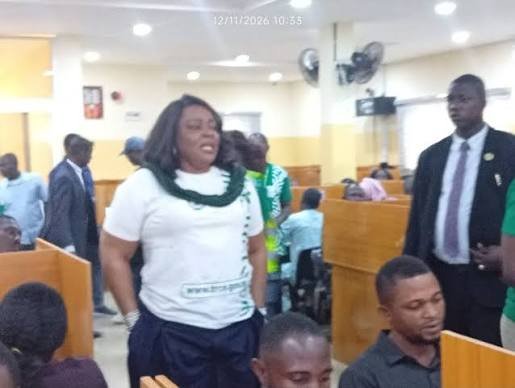
The Teachers Registration Council of Nigeria (TRCN) says it identified 40 to 50 suspected impersonators during its November 2026 Professional Qualifying Examination. The disclosure raises a question: can the system confirm that the person taking the examination is the registered candidate?
Registrar Dr Ronke Soyombo disclosed the figure to the News Agency of Nigeria in Abuja on November 22. She said candidates’ photographs helped officials identify people allegedly sitting for registered candidates.
What the reported figure actually establishes
Suspicion is not proof. TRCN has not named the suspects, identified the state in the interview or disclosed how many cases were referred for investigation. They must not be described as convicted offenders.
About 21,000 teachers sat the examination across 36 states and the FCT. Soyombo said the suspects were found in one state, so the figure cannot establish a national malpractice rate. An earlier report, published November 17, identified Taraba and cited more than 47 suspected cases. TRCN has not clarified whether the two accounts concern the same detections.
Also Read: NECO Opens 2027 SSCE Registration as Schools Face New Examination Requirements
Photographs are one layer of verification
Photographs help invigilators compare a candidate with the person registered. But TRCN has not said whether checks were manual, automated or supported by other documents. There is no basis to call the system facial-recognition technology.
The council’s PQE guide describes the exam as mandatory for teacher registration and requires candidates to present an exam slip and valid ID. Its candidate portal also requests a National Identification Number. These checks work only when details are matched consistently.
Connectivity is part of examination integrity
Soyombo said poor internet affected Ogun and Kaduna. In Ogun, a replacement CBT centre arranged after the original venue became unavailable lacked capacity for about 1,000 candidates. TRCN said the exercise succeeded in 35 of 37 locations.
Technical failures matter to fairness. Candidates need a way to challenge identity mismatches or interruptions, while officials need records to distinguish genuine candidates from impersonators. Soyombo apologised, but the public account did not specify resit arrangements.
Back Story: why the PQE matters
The 1993 TRCN Act assigns the council responsibility for setting teacher standards, maintaining a register and regulating the profession. Section 6 provides for registration after a candidate passes a council-accepted qualifying examination and completes prescribed practical teaching. The PQE is therefore a gateway to professional registration.
The Federal Government’s Accelerated Teacher Professionalisation Pathway offers training routes to about 250,000 serving teachers without recognised professional teaching qualifications. Participants must still pass TRCN’s PQE before registration and licensing.
The concern extends beyond the exam hall. On November 13, Soyombo said TRCN found 250 fake teaching certificates during a state recruitment exercise involving about 1,000 applicants. The council said QR-coded certificates allow employers to verify credentials through its portal.
TRCN should clarify whether the Taraba report and latest figure describe the same cases, publish case outcomes and explain how candidates can appeal identity flags. Preventing impersonation is essential, but so is protecting genuine candidates from mistaken exclusion. Both determine public confidence in teacher certification.
Also Read: WAEC 2026 WASSCE Private Candidates Registration: What Nigerian Students Need to Know