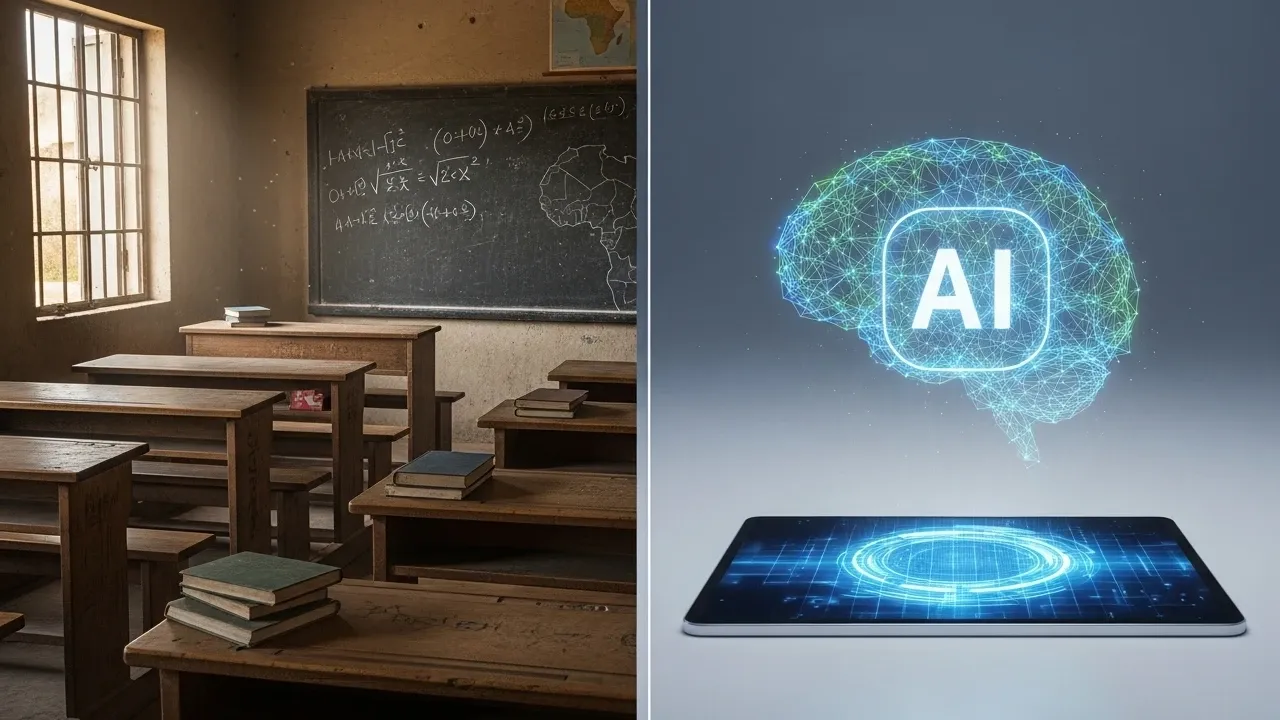

India is embarking on one of its biggest education reforms in recent years after a series of examination scandals shook public confidence and disrupted the future of millions of students. The country’s response is not limited to punishing those behind examination malpractice. It is also investing in artificial intelligence, digital technology, stronger cybersecurity, and modern examination systems to restore trust.
For Nigeria, where concerns about examination malpractice, question paper leaks, impersonation, and result manipulation continue to challenge the education sector, India’s latest reforms present valuable lessons. While the two countries have different education systems, they face many of the same challenges. The difference is that India is now trying to solve these problems with technology backed by policy reforms and institutional accountability.
The Indian government recently announced a comprehensive review of its examination architecture following widespread protests triggered by major paper leak scandals. Prime Minister Narendra Modi has also set up a high-level committee led by technology expert Nandan Nilekani to recommend technology-driven reforms aimed at making examinations more secure, transparent, and credible.
Rather than relying solely on tougher penalties, India wants technology to become a central part of protecting examination integrity. Proposed reforms include expanding computer-based testing, introducing multiple examination sessions, strengthening cybersecurity, improving digital monitoring, and using artificial intelligence to support examination administration. Human experts will still oversee critical decisions to ensure fairness and quality.
For Nigeria, this approach highlights an important reality. Technology alone cannot solve examination malpractice, but when combined with effective governance and transparent processes, it can significantly reduce opportunities for fraud.
Also Read: Coinbase Eyes India Return Amid Crypto Boom
Why Nigeria Should Pay Attention
Nigeria has made considerable progress in adopting computer-based examinations. The Joint Admissions and Matriculation Board has transformed the Unified Tertiary Matriculation Examination through computer-based testing. At the same time, the National Examinations Council has also accelerated its digital transformation in recent years.
However, challenges remain. Cases of examination malpractice, impersonation, leaked questions, illegal examination centres, and organised cheating continue to surface across different examinations. These incidents weaken public confidence and unfairly disadvantage honest students.
India’s reforms suggest that governments should move beyond reacting after examination scandals occur. Instead, they should build systems that prevent problems before they happen.
Artificial intelligence offers several possibilities for Nigeria’s examination bodies. AI can help identify suspicious examination patterns, detect unusual candidate behaviour, monitor examination centres in real time, flag possible impersonation attempts, and analyse large amounts of examination data more quickly than manual systems.
At the same time, experts in India have cautioned that artificial intelligence should remain a supporting tool rather than replacing experienced educators. Human oversight remains essential, particularly in setting examination questions, reviewing content, and ensuring fairness across different languages and learning environments.
That balance between technology and human expertise is perhaps one of the most important lessons Nigeria can adopt.

Building a More Trusted Examination System
Technology works best when supported by strong institutions. India’s latest proposals also include tougher punishment for examination fraud, faster investigations, and improved accountability for organisations involved in conducting examinations. Authorities hope these measures will restore confidence among students and parents after recent controversies.
Nigeria could strengthen its own examination ecosystem by expanding secure digital infrastructure, improving cyber protection for examination databases, increasing investment in biometric verification, enhancing surveillance at examination centres, and introducing smarter data analysis tools.
Continuous training for examination officials is equally important. As fraud techniques become more sophisticated, those responsible for protecting examination integrity must also improve their technical skills.
Another lesson from India is the importance of transparent communication. During examination crises, uncertainty often creates panic among students and parents. Clear updates, prompt investigations, and public accountability help preserve confidence in the education system.
Experts also argue that future examinations should increasingly assess critical thinking, creativity, analytical reasoning, and practical problem-solving instead of relying heavily on memorisation. As artificial intelligence becomes more capable of generating answers, examination systems around the world are beginning to focus on skills that machines cannot easily replicate.
For Nigeria, aligning assessment methods with these emerging realities could better prepare students for a rapidly changing digital economy.
Also Read: Nigeria, UNESCO and African Union Launch Mobile Learning Programme to Boost Teacher Training
Back Story
India’s current reforms were triggered by major examination paper leak controversies that affected the National Eligibility cum Entrance Test, one of the country’s largest entrance examinations for medical schools. Around two million candidates were forced to retake the examination after authorities cancelled the original test because of leaked question papers. The crisis sparked nationwide protests and intensified calls for comprehensive reforms.
In response, the Indian government proposed stronger legal penalties for examination fraud and established a high-powered committee led by Infosys co-founder Nandan Nilekani to recommend long-term reforms that make greater use of digital technology and artificial intelligence. Previous expert recommendations have also encouraged a gradual shift towards computer-based examinations and multiple examination sessions to reduce security risks.
Nigeria has already demonstrated that digital examinations can improve transparency through computer-based testing. The next stage may involve expanding artificial intelligence-driven monitoring, strengthening cybersecurity, modernising assessment methods, and building stronger public trust in the examination process.
As both countries continue to modernise their education systems, the goal remains the same. Every hardworking student deserves an examination system where success is determined by ability and preparation, not by loopholes, fraud, or technological weaknesses.