
A delayed West African Examinations Council (WAEC) result can cost a candidate weeks of waiting. For a blind student seeking university admission, an unresolved subject entry or a result released after a portal closes can interrupt an academic year, despite the candidate’s UTME performance. The admission calendar rarely pauses for affected applicants.
A November 7 Punch report described blind candidates facing delayed or incomplete 2026 WASSCE records. What protection exists when result processing and admission deadlines leave no time for correction?
Why a result delay can block admission
The Joint Admissions and Matriculation Board’s Central Admissions Processing System (CAPS) requires O’Level results to be uploaded and verified before institutions complete admission recommendations. JAMB advises applicants with pending admission status to confirm that WAEC, NECO or NABTEB results are correctly uploaded.
Universities set their own submission deadlines. The University of Lagos directed 2026/2027 applicants to upload O’Level results to CAPS and its portal by August 14, warning that late submissions would not be considered. The University of Ilorin allowed awaiting-result applicants to select “AR” and exempted candidates with disabilities, including blind applicants, from its screening test.
An applicant can therefore satisfy the academic requirements yet remain unable to complete the administrative steps that trigger an admission decision. That distinction matters greatly. Advance notice must reach candidates before university admission portals begin closing.
Flexibility does not resolve missing records
These provisions offer some accommodation, but do not help a candidate whose result remains under query after a portal closes. Exemption from a screening test is not an extension to submit a missing result. Institutions need a way to distinguish applicants who lack the required grades from those who completed the examination but await a correction or release.
Also Read: Kano Leads 2026 NECO Results With 74,413 Candidates Securing Five Credits
WAEC’s figures leave questions unanswered
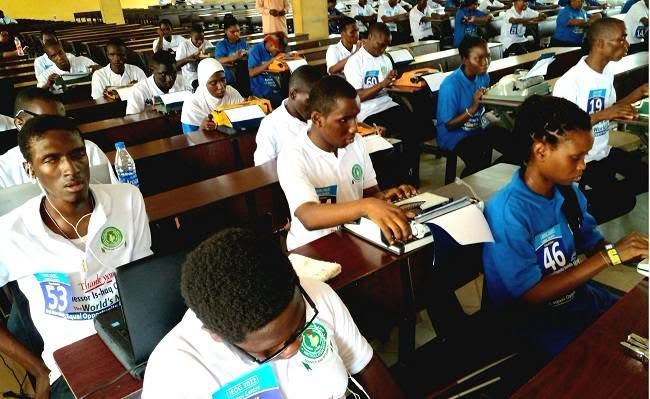
At its August 5, 2026 results announcement, WAEC said 1,213 candidates with special needs sat the examination, including 137 visually impaired candidates. It said their results had been processed and released alongside other candidates, according to Premium Times’ reporting of the briefing.
The same briefing said 116,031 candidates’ results were still being processed, while 167,486 were withheld over alleged examination malpractice. But the briefing did not explain how individual subject-record disputes would be identified, investigated or resolved. That gap is particularly important for admission-bound candidates.
The November accounts sit uneasily beside that blanket assurance, but do not establish that every blind candidate experienced a delay or explain each disputed record. WAEC should clarify the cases and publish disability-specific figures to show whether candidates with disabilities are disproportionately affected.
Back Story: Inclusion must continue after examinations
Nigeria’s Discrimination Against Persons with Disabilities (Prohibition) Act 2018 guarantees education without discrimination, requires public schools to be inclusive and accessible, and directs government to provide appropriate learning methods for blind students. It does not prescribe a special WAEC result deadline or automatically extend university admission portals.
WAEC should give affected candidates written explanations, reference numbers and resolution dates. JAMB and universities should coordinate a review window for verified delays. The Federal Ministry of Education’s proposed 2027 timetable targets August results and September admissions. Meeting that schedule would help, but safeguards are also needed so administrative delays do not become barriers to higher education.
Also Read: WAEC 2026 WASSCE Private Candidates Registration: What Nigerian Students Need to Know