The ongoing conflict involving Iran is now sending shockwaves far beyond the battlefield, spilling directly into the global technology industry and pushing up the cost of everyday electronics. From smartphones to data centres, the supply chain that powers modern digital life is under pressure, and industry players are beginning to feel the strain in real terms.
According to a recent report by Reuters, disruptions tied to the conflict have triggered shortages in critical raw materials used in printed circuit boards, the essential building blocks inside nearly all electronic devices. These shortages are already translating into higher production costs, delays, and growing uncertainty for manufacturers and consumers alike.
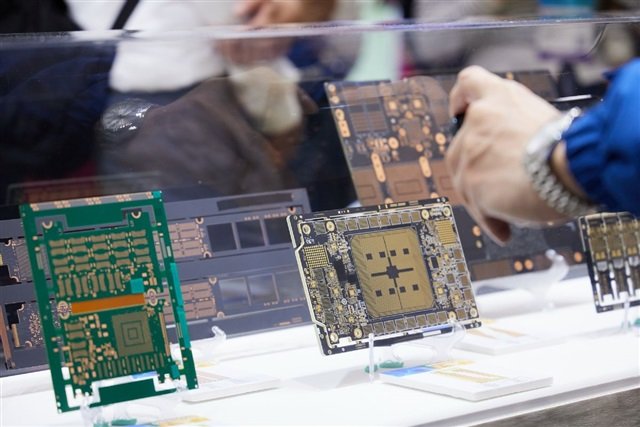
How the Iran conflict is choking global electronics supply chains
At the heart of the disruption is a key industrial setback linked to the conflict. In early April 2026, a major petrochemical facility in Jubail was affected, halting production of high-purity polyphenylene ether resin, a crucial material used in circuit board manufacturing.
This resin plays a foundational role in the creation of PCB laminates, which form the structural base of circuit boards. Without it, production slows sharply, and alternatives are limited. The situation is made worse by the fact that one major producer accounts for a dominant share of global supply, meaning any disruption has immediate worldwide consequences.
The ripple effects have been swift. Electronics manufacturers across Asia, Europe, and North America are scrambling to secure raw materials, shifting focus from customer demand to supply survival. What was once a predictable production cycle has now become a race against shortages.
Beyond resin, other key inputs such as copper foil and glass fibre are also experiencing supply pressure. Combined with ongoing logistics challenges in the Gulf region, the result is a supply chain that is not just strained but increasingly fragile.
Prices surge as demand continues to outpace supply
One of the clearest consequences of the disruption is a sharp rise in prices. Industry data indicates that PCB costs have jumped by as much as 40 percent within April alone, a significant increase for a component used in nearly every electronic product.
This surge is happening at a time when demand is already high. The rapid expansion of artificial intelligence infrastructure, cloud computing, and next-generation devices has been pushing up demand for circuit boards even before the conflict escalated.
Now, with supply tightening and demand still climbing, the imbalance is becoming more pronounced. Tech firms are being forced to renegotiate contracts, adjust pricing strategies, and, in some cases, pass increased costs directly to consumers.
For large-scale operators such as cloud service providers, the implications are serious. Higher component costs can affect everything from server deployment to subscription pricing. For smaller manufacturers, the situation is even more challenging, as they often lack the bargaining power to secure limited supplies at stable prices.
Global tech industry faces fresh uncertainty and strategic shifts
The disruption is also reshaping how companies think about supply chains. For years, the global electronics industry has relied on highly specialised, geographically concentrated production networks. The current crisis is exposing the risks of that model.
Manufacturers are now exploring alternative sourcing strategies, including diversifying suppliers and investing in regional production capacity. However, these changes take time and significant capital, meaning short-term relief is unlikely.
There are also broader economic implications. Rising input costs are feeding into inflation across the tech sector, affecting everything from consumer electronics to enterprise infrastructure.
Industry analysts warn that if the conflict persists, the pressure could intensify. Supply shortages may deepen, lead times could stretch further, and price increases may become more widespread across global markets.
At the same time, some regions may see new opportunities emerge. Countries with existing manufacturing capacity or access to alternative raw materials could benefit as companies look to reduce dependence on disrupted supply routes.
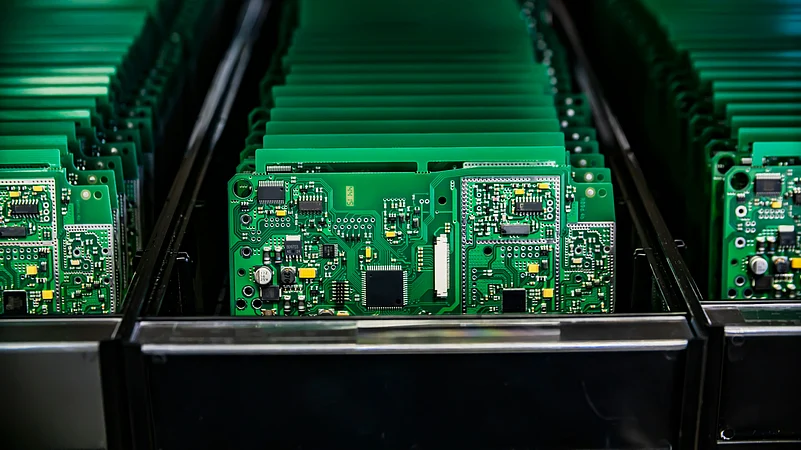
What it means for consumers and the future of technology
For everyday consumers, the impact may soon become visible in the form of higher prices for devices such as smartphones, laptops, and gaming systems. Even services that rely heavily on data centres, including streaming and cloud platforms, could see cost adjustments over time.
In Nigeria and across Africa, where imported electronics dominate the market, the effect could be even more pronounced. Currency pressures combined with rising global prices may lead to steeper retail costs, making access to technology more expensive for many users.
Looking ahead, the situation highlights a deeper issue within the global tech ecosystem. The heavy dependence on a narrow set of materials and suppliers leaves the industry vulnerable to geopolitical shocks. The current crisis is a reminder that resilience, not just efficiency, is becoming a key priority.
While companies are expected to adapt, the transition will not happen overnight. For now, the global circuit board supply chain remains under strain, and the cost of that strain is already being felt across the technology landscape.
Join Our Social Media Channels:
WhatsApp: NaijaEyes
Facebook: NaijaEyes
Twitter: NaijaEyes
Instagram: NaijaEyes
TikTok: NaijaEyes