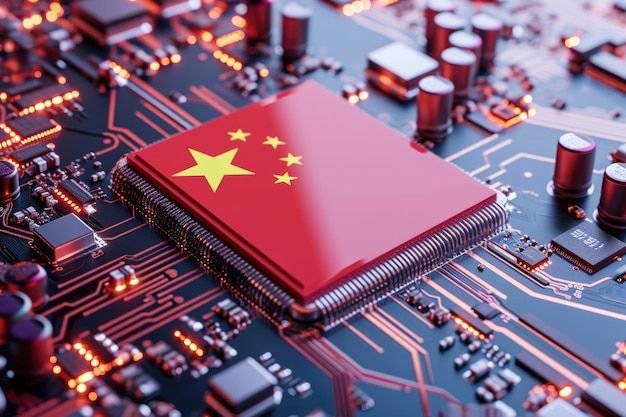
In a move that has startled global technology markets and reignited trade tensions, China’s authorities have reportedly blocked shipments of Nvidia’s advanced H200 artificial intelligence chips even though the United States had already cleared their export to Chinese buyers. The stunning development adds fresh complexity to the long-running standoff over semiconductor technology and the rules governing high-end AI hardware.
The H200 processor is one of Nvidia’s most powerful AI chips, designed to support advanced machine learning and data centre workloads. Its export to China had been a hot-button issue after the US government under President Donald Trump loosened years of tight controls that limited sales of the company’s most capable silicon into the Chinese market. Despite that clearance, Chinese customs officials have now reportedly instructed agents not to allow the chips into the country’s ports or fulfil existing orders.
The conflicting signals from Beijing and Washington have already sent ripples through the semiconductor supply chain, with some of Nvidia’s parts suppliers pausing production amid uncertainty over whether China will accept the H200 at all. According to Reuters, Analysts say the saga illustrates how deeply intertwined technology and geopolitics have become in the AI era.
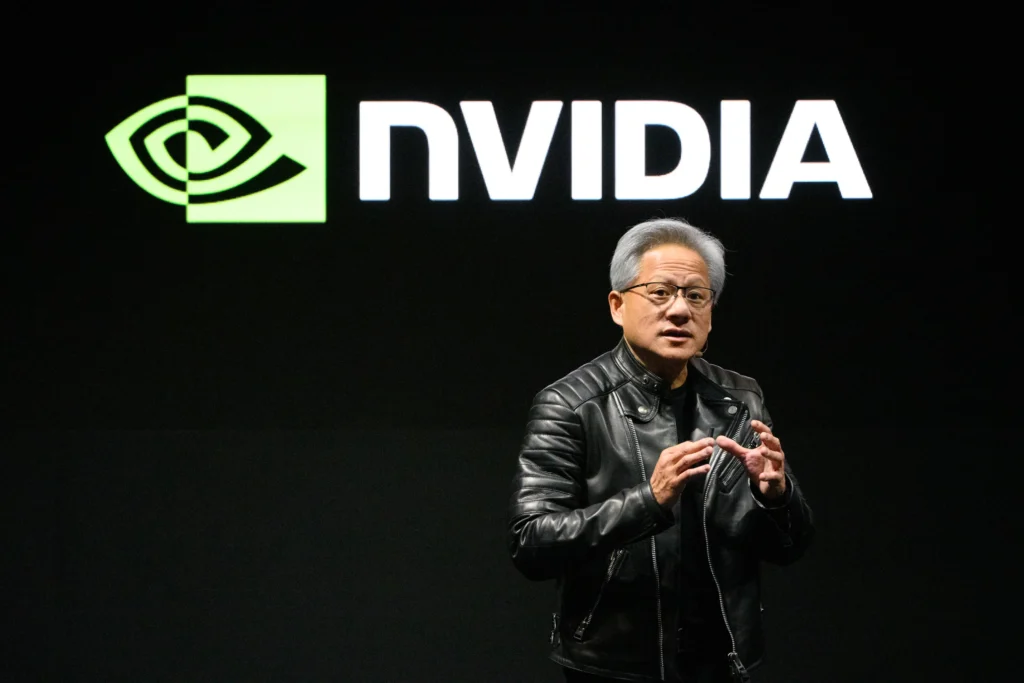
Customs Block Creates Uncertainty for Suppliers and Buyers
Chinese customs agents were reportedly told this week that the H200 chips are “not permitted” to enter China, triggering confusion across the industry. NVIDIA had anticipated millions of orders from data centres, cloud companies, and research organisations in China, with sources saying orders could exceed one million units. When news of Chinese customs blocking the imports circulated this week, parts suppliers manufacturing components for the H200 put certain production lines on hold.
Officials close to the situation also reportedly cautioned local Chinese technology firms against buying the chips unless absolutely necessary. That direction suggests not only an import restriction but also a broader policy preference for nurturing China’s own semiconductor development. It remains unclear whether the instruction is a formal, long-term ban or a temporary tactical move as Beijing weighs its options.
The wider context is messy. The US had only recently revised its restrictive export controls, permitting the sale of certain advanced Nvidia chips to China under a tightly regulated licensing scheme that included security conditions and volume caps. Under those rules, exports were to be subject to third-party review and requirements that buyers demonstrate secure, non-military usage. The US also imposed a tariff on these chips in a controversial move designed to help protect American security interests and capture revenue.
Trade and Security Disagreements Lay Bare Policy Divide
China’s decision to block imports of a product just cleared by the US government highlights the deep disagreements over how crucial AI technology should be shared between economic superpowers. For more than a year, Washington has tightened export controls targeting artificial intelligence and advanced microchips, part of a broader strategy to prevent cutting-edge computing power from enhancing Chinese military and surveillance capabilities.
In response, Beijing is developing its own advanced chips and building out domestic chipmaking capacity. Restricting access to foreign high-performance processors helps accelerate that drive while also giving officials leverage in negotiations with the United States over tariffs, trade barriers, and technology sharing. Government planners have also reportedly begun drafting domestic rules to govern how Chinese companies may acquire foreign high-end chips in the future, potentially replacing an outright ban with a more controlled acquisition process.
Industry watchers are divided on the wisdom of locking in this impasse. Some argue that keeping powerful chips out of China will slow Beijing’s progress and preserve the US technological advantage. Others contend that by denying access, Chinese tech firms will be pushed to accelerate investment in local designs, ultimately narrowing the technological gap faster than if they were allowed restricted access to foreign chips.
Economic Stakes and Market Repercussions
The disruption also matters economically. China has been one of Nvidia’s biggest markets, accounting for a significant slice of its global revenue before export bans were tightened in recent years. Restoring sales of H200 chips was seen as a potential boon for Nvidia’s financial performance, and factories gearing up for production have already invested in capacity for expected Chinese orders. When the customs blockade emerged this week, that momentum was thrown into disarray.
Tech supply chains are already strained by rising geopolitical tensions. NVIDIA’s component suppliers reportedly halted certain operations in response to the lack of clarity over shipments, showing how quickly policy shifts can ripple through global production networks. Should China maintain its blockade or formalise new import rules, the world’s most valuable chipmaker might see delays in revenue growth and potential shifts in investment plans.
Analysts are also watching Chinese cloud service providers and AI startups, many of which have been lining up orders for the H200 to power next-generation AI models. Without access to the chip, these companies may be forced to depend more heavily on slower domestic alternatives or pursue alternative strategies that slow innovation cycles. That could reshape the competitive landscape in both the Chinese and global AI markets.
What Comes Next in the AI Chip Trade Dispute
With both governments under domestic and international pressure, the next steps are far from clear. US policymakers are likely to defend the export clearance as a measured compromise that balances commercial interests with security concerns, pointing to strict conditions and oversight measures. Meanwhile, Chinese authorities will weigh how best to protect their strategic interests without stifling growth in their own AI ecosystem.
Beijing could still adjust its position and allow limited imports under tight conditions, or it could press ahead with broader policies aimed at restricting foreign advanced chips. The outcome will have implications not just for Nvidia, but for international technology markets, bilateral trade ties, and the future direction of AI development.
Several industry groups are urging clearer policy directions, calling for dialogue to reduce uncertainty and help companies plan for the long term. But with AI chips now central to national security strategies and economic competitiveness, simple solutions are unlikely. Both governments will need to balance strategic risk, economic benefit, and the broader health of their technology industries.
As the dust settles on this latest twist, one thing is clear: semiconductors like the Nvidia H200 have become more than mere products. They are strategic assets at the heart of global power dynamics and economic ambitions. The world’s eyes will be on how China and the United States navigate this fraught intersection of technology, trade, and geopolitics in the weeks and months ahead.
Join Our Social Media Channels:
WhatsApp: NaijaEyes
Facebook: NaijaEyes
Twitter: NaijaEyes
Instagram: NaijaEyes
TikTok: NaijaEyes