
In a budget year marked by big figures and bold plans, the Federal Government of Nigeria has outlined a significant capital investment programme within its 2026 budget proposal. Official data released this week shows that about fifty major capital projects will receive a total allocation of around N4.23 trillion, spanning critical infrastructure and social sectors. According to Nairametrics, this level of investment reflects an intent to balance long-standing infrastructure needs with efforts to build human capital and support growth across the country.
This development was brought to light through BudgIT Nigeria’s analysis of the proposed 2026 Appropriation Bill, which was recently published on the organisation’s verified social media platform. The figures are drawn from the detailed capital expenditure breakdown contained in the budget documents presented to the National Assembly.
Strategic Capital Spending Focus
The N4.23 trillion allocation to 50 capital projects sits within the broader context of the federal budget for 2026, which lawmakers are currently examining and debating. Overall spending estimates for the year range between approximately N58.2 trillion and N58.47 trillion, with capital outlays accounting for a significant but still modest portion relative to recurrent charges such as debt servicing and personnel costs.
The distribution of these capital funds reveals where the current administration and budget analysts see potential for impact. A major share flows into transport and energy infrastructure, acknowledging that efficient power supply and robust road networks remain essential to economic activity and everyday life in Nigeria. But the plan also makes room for investments in agriculture, education, health, and water resource management, signalling a broader approach to developmental spending.
Breakdown of Key Sector Allocations
According to the budget documents, the Ministry of Works will command the largest portion of the capital spend, receiving about N2.5 trillion for new and ongoing infrastructure projects. These include extensive road construction, strategic corridors, and counterpart funding for flagship engineering works.
The Ministry of Power is set to receive roughly N894.16 billion, a chunk of which will support grid expansion, renewable energy programmes, rural electrification efforts, and improvements in transmission capacity. This emphasis on power reflects a widely held view that consistent electricity supply could unlock growth across numerous sectors and enhance Nigeria’s competitiveness.
Other ministries also benefit from meaningful capital allocations:
- Ministry of Transport: N316.63 billion.
- Agriculture and Food Security: N175.84 billion.
- Education: N157 billion.
- Health and Social Welfare: N133.29 billion.
- Water Resources and Sanitation: N47.25 billion.
- Humanitarian Affairs and Poverty Alleviation: N61.6 billion.
These allocations demonstrate a mix of economic priorities that touch on connectivity, energy, and essential social services.
What It Means for Nigeria
Taken together, these capital allocations represent one of the more ambitious investment initiatives the country has outlined in recent budget cycles. The logic is clear: boosting infrastructure and human capital could help reduce long-term costs of doing business in Nigeria, attract investment, and ease pressure on critical social services.
For investors and private sector players, opportunities could emerge in areas such as construction, energy, transport services, and agricultural processing as government projects roll out. Sector observers say the scale of proposed spending sends positive signals about future demand for goods and services linked to these sectors.
For everyday Nigerians, the success of this framework will depend on effective execution and transparency. Past budgets have sometimes struggled to convert allocations into tangible outcomes due to funding constraints, bureaucratic delays, or misalignment between plans and implementation.
Moreover, some analysts have expressed concern about fiscal discipline in the country’s budgeting process, warning that unfunded projects from previous years have a tendency to be carried forward without clear delivery timelines. These critics argue that such practices can undermine confidence in public spending.
A Broader Budget Picture
The conversations around the 2026 budget go beyond this capital allocation snapshot. The broader appropriation bill includes provisions for sectors such as defence, education, health, and social intervention programmes. Lawmakers have already begun debating the document, with the Senate passing a second reading and committees now examining detailed components of the proposal.
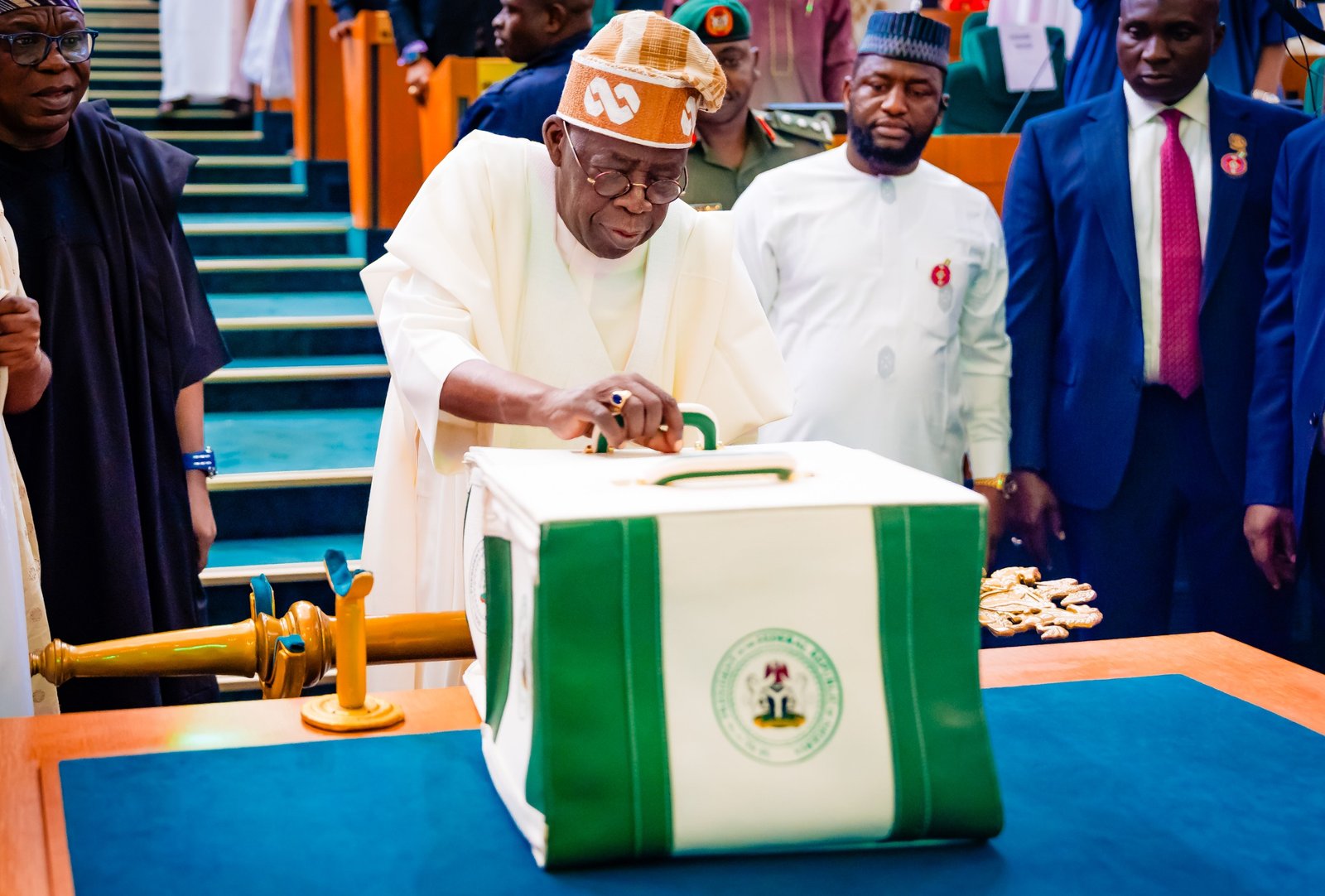
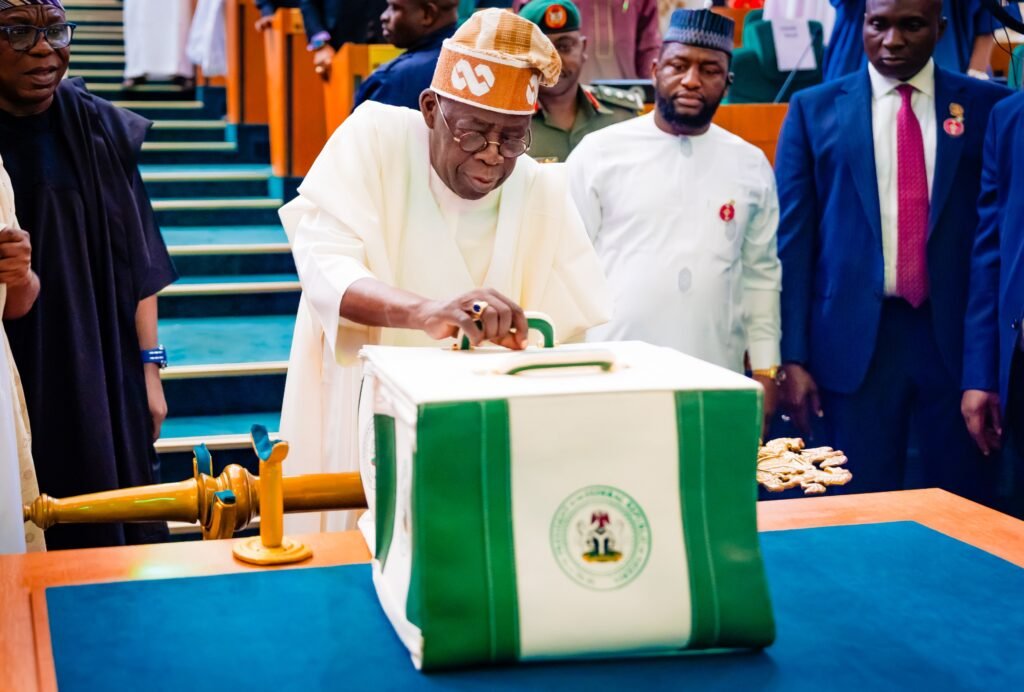
President Bola Ahmed Tinubu initially presented the 2026 budget to the National Assembly, highlighting issues around fiscal responsibility, debt management, and the imperative of implementing appropriated funds in line with agreed timelines.
At the same time, stakeholders have raised questions about budget insertions and the need to avoid frivolous projects that do not align with national development priorities. Such discussions continue to shape public understanding of the budget’s strengths and challenges.
Looking Ahead
As deliberations continue, the focus for many Nigerians, analysts, and investors will be on execution and outcomes. High allocations to capital projects are a positive signal if they translate into improved roads, better power supply, enhanced healthcare delivery, and stronger educational infrastructure. But aspirations must be matched with accountability, funding discipline, and transparent monitoring of project delivery.
The proposed N4.23 trillion investment in 50 capital projects is a defining component of Nigeria’s 2026 economic narrative. Its success could shape perceptions about Nigeria’s development trajectory in the coming year and beyond. For now, all eyes are on the implementation phase and the returns it brings to citizens and the economy as a whole.
Join Our Social Media Channels:
WhatsApp: NaijaEyes
Facebook: NaijaEyes
Twitter: NaijaEyes
Instagram: NaijaEyes
TikTok: NaijaEyes