In the midst of a persistent learning crisis, Nigeria is charting a bold course to prepare millions of young people for the world ahead. With about 20.2 million children and youth currently out of school, the country has the largest number of out-of-school children in Sub-Saharan Africa. Even for those in classrooms, learning outcomes remain uneven, teaching resources are stretched, and education systems struggle to keep pace with rapid technological and economic changes. Against this backdrop, leaders and stakeholders in the education sector are advocating for a fresh approach that prioritises practical skills, data-driven decision making, and partnerships that can scale impact across communities. This article explores the vision, challenges, and opportunities underpinning Nigeria’s drive to support five million learners to develop the skills the future requires, drawing on insights from Mo Adefeso-Olateju, Founding Chief Executive Officer of The Education Partnership Centre, and other experts.

The Education Landscape and Emerging Opportunities in Nigeria
Nigeria’s education system today is defined by a paradox of scale and struggle. On one hand, there is growing awareness among policymakers, educators, and civil society about the systemic weaknesses that have left millions of students behind. On the other hand, there are signs of momentum, with increasing dialogue about innovation, evidence-based reforms, and the potential of new technologies to transform learning.
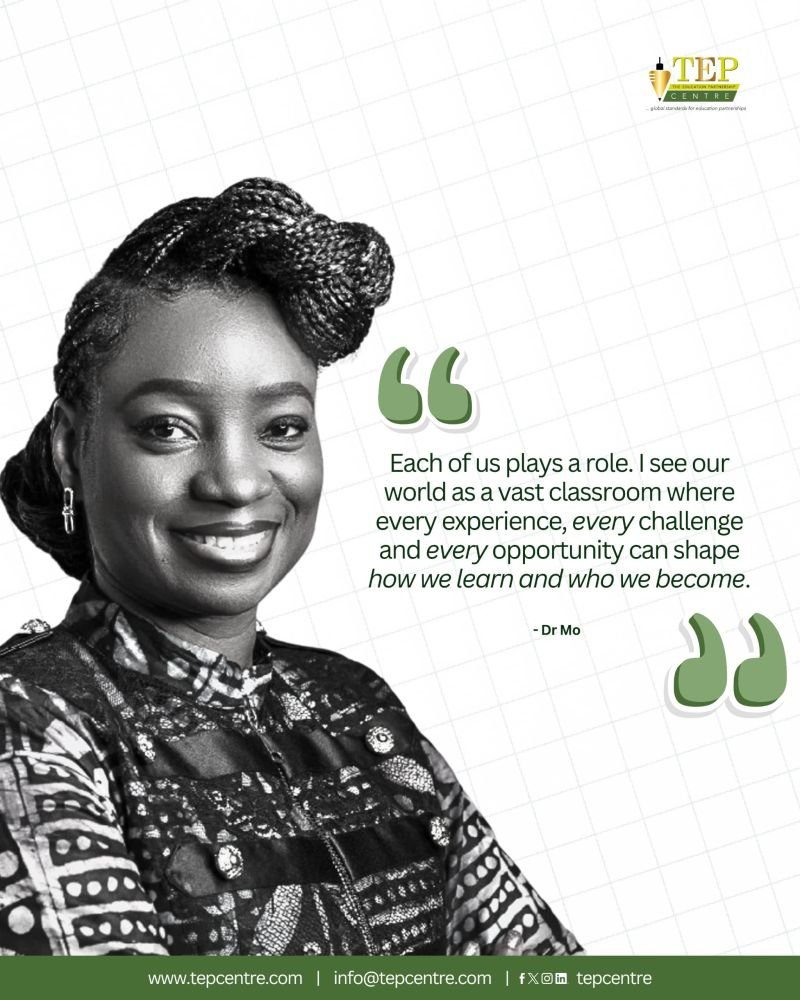
Mo Adefeso-Olateju, whose organisation has been at the forefront of education reform for over a decade, describes the current landscape as one of “deep contradiction”. There is no shortage of data showing learning gaps, nor is there a lack of well-meaning policies. Yet implementation often falls short, and the result is a system that struggles to respond at scale to the needs of students and teachers alike.
The TEP Centre brings a unique perspective to this challenge. Its work sits at the intersection of evidence, policy, and practice. By collecting and analysing large-scale data on learning outcomes, and by working closely with government, schools, and communities, the organisation aims to strengthen the link between knowledge and action. This “ecosystem orchestration” role is critical in a context where multiple actors operate with different priorities and resources.
Over the past decade, TEP has supported more than one million children and engaged over 100,000 households, highlighting how community involvement and evidence use can drive meaningful change. The organisation has also led initiatives to improve foundational skills such as reading and numeracy, training educators and developing tools that help teachers personalise instruction based on students’ strengths and needs.
Structural Hurdles and Systemic Coherence
Despite pockets of progress, the Nigerian education system continues to grapple with structural issues that hinder scale and sustainability. One of the most pressing challenges is weak system coherence. Policies may exist on paper, but their implementation is often hampered by inadequate coordination between ministries, agencies, and schools. Data collection is widespread, yet the insights are not always used to inform classroom practice or policy adjustments.
Teacher preparation and professional development remain key gaps. Nigeria needs more educators, and those entering the profession often lack exposure to modern pedagogical approaches or the breadth of skills required in today’s classrooms. In-service training tends to be generic rather than tailored to individual teacher needs, limiting its effectiveness and relevance.
Provision of instructional materials also lags behind expectations. Many schools are unable to supply teachers and students with the textbooks, digital tools, and learning resources needed to support quality education. When resources are available, they may not align with curricular goals or best practices for engaging learners.
Addressing these structural constraints requires a holistic approach. It is not enough to design programmes in isolation. Instead, a broader realignment is needed that considers learning content, teacher support, assessment systems, community engagement, and accountability. This systems view is central to the TEP Centre’s work, which emphasises coherence across policies, programmes, and practice.

Strategies for Scaling Skills Development
To meet the ambitious goal of preparing five million learners with skills for the future, Nigeria must leverage a mix of strategies that combine innovation with practicality. These include deepening foundational learning, integrating technology thoughtfully, fostering partnerships, and expanding pathways for learners beyond traditional schooling.
- Increasing Foundational Learning: A strong foundation in reading, numeracy, and problem-solving remains essential. Without these core competencies, students find it difficult to progress into higher-order learning or adapt to the demands of future work. Programmes that focus on early grade instruction, remedial support, and continuous assessment are key to narrowing learning gaps and boosting student confidence.
- Thoughtful Use of Technology: Technology offers opportunities to personalise learning, expand access, and build digital literacy. However, successful integration requires careful planning. It is not simply about providing devices. Effective digital learning must be supported by teacher training, reliable infrastructure, and content that aligns with curricular goals. Nigeria has begun exploring ways to leverage technology to enhance teaching and learning, and initiatives that use data and digital platforms show promise in enhancing outcomes for students.
- Partnerships Across Sectors: Achieving scale requires collaboration between government, civil society, the private sector, and international partners. Each brings unique resources and expertise. For example, private organisations can support teacher development or digital content, while government agencies can help mainstream successful pilots into national programmes. Civil society groups play a crucial role in advocacy, community engagement, and evidence generation.
- Expanding Pathways for Learners: Preparing learners for the future also means expanding pathways beyond traditional academic trajectories. Technical and vocational education, entrepreneurship programmes, and digital skills training can provide alternative routes to meaningful careers. Across the country, there is growing interest in skills training initiatives that equip learners with practical competencies in areas such as coding, data analysis, and digital marketing. These efforts complement formal schooling and help bridge the gap between education and employment.
In this regard, initiatives by both government and private partners aim to build capacity in critical areas such as artificial intelligence, digital literacy, and technical trades. One notable example is the collaboration between Microsoft and the Federal Government, which has trained millions of Nigerians in digital skills, reinforcing the importance of cross-sector engagement.
Looking Ahead
Nigeria’s ambition to support five million learners to develop future-oriented skills reflects a deep recognition of the shifting nature of work and the critical role that education plays in national development. This vision aligns with broader global trends that emphasise lifelong learning, adaptability, and the democratisation of opportunity.
However, ambition alone will not suffice. Success depends on sustained investment, coordinated action, and an unwavering focus on learners at the heart of the system. It requires bridging the gap between evidence and practice, strengthening institutional capacity, and creating feedback loops that help policy evolve based on what works on the ground.
For Nigeria’s youth, the stakes could not be higher. With one of the youngest populations in the world, the country stands at a crossroads. If it can harness the energy and potential of its learners through quality education and relevant skills development, it could unlock a new era of innovation, economic growth, and social progress. Conversely, failure to adapt could leave a generation ill-prepared for the demands of the 21st century.
The path ahead will be challenging. But with thoughtful leadership, strategic partnerships, and a commitment to evidence-driven action, Nigeria can transform its education landscape from one defined by constraints to one characterised by opportunity and hope for millions of learners.
Join Our Social Media Channels:
WhatsApp: NaijaEyes
Facebook: NaijaEyes
Twitter: NaijaEyes
Instagram: NaijaEyes
TikTok: NaijaEyes