

Nigeria’s education crisis has again come into sharp focus as the Federal Government revealed that about 15 million children across the country are currently out of school. The disclosure, made at a national education gathering in Jos, highlights what officials now describe as a deepening challenge with long-term consequences for the nation’s future.
Speaking at the 2026 Basic Education in Nigeria Bootcamp, the Minister of Education, Dr Maruf Tunji Alausa, warned that the scale of the crisis demands urgent, coordinated and data-driven action. According to him, the government is intensifying efforts to bring affected children back into classrooms while strengthening the overall education system.
The figure of 15 million represents one of the highest numbers of out-of-school children globally, reinforcing concerns among stakeholders that Nigeria’s demographic advantage could quickly turn into a social and economic burden if education gaps persist.
Officials at the event stressed that the crisis is not just about access to schooling but also about the quality of learning, retention rates and the ability of the system to track and support every child effectively.
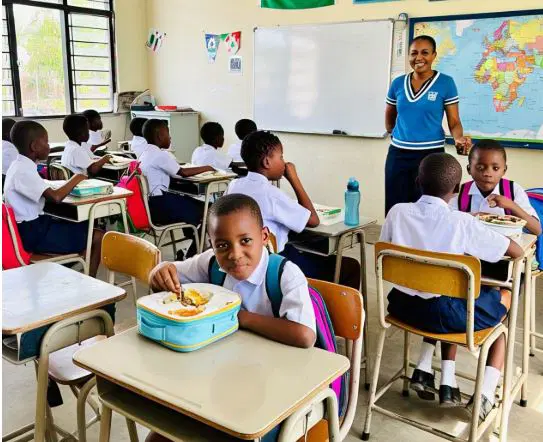
Government Strategy Focuses on Data, Tracking and Reintegration
In response to the alarming statistics, the Federal Government is rolling out a more structured approach anchored on accurate data and real-time monitoring. Central to this strategy is the expansion of the Digital National Education Management Information System and the introduction of the Learner Identification Number.
The aim is simple but ambitious. Authorities want to know where every child is, why they are out of school and what interventions are needed to bring them back. Without this level of visibility, policymakers say meaningful reform remains difficult.
Already, the 2025 and 2026 Annual School Census has captured data on more than two million learners, providing fresh insights into enrolment patterns and system gaps. In addition, nearly one million out-of-school children have been identified and mapped for reintegration into formal education or alternative learning pathways.
Beyond data systems, the government is also investing in targeted programmes aimed at improving teacher capacity, strengthening curriculum delivery and expanding access to digital learning tools. Initiatives such as LUMINA 2030 and other reform programmes are expected to play a key role in reshaping basic education outcomes nationwide.
Funding is another critical part of the strategy. Between January 2025 and January 2026, states reportedly accessed over N106 billion in matching grants through the Universal Basic Education Commission to support infrastructure, learning materials and school improvements.
Stakeholders Warn of Rising Social and Economic Risks
While government efforts are gaining momentum, stakeholders at the bootcamp did not shy away from highlighting the broader implications of the crisis. Experts and policymakers warned that a large population of out-of-school children poses serious risks to national stability, economic growth and social cohesion.
Plateau State officials, who hosted the event, pointed out that children outside the education system are more vulnerable to poverty, exploitation and insecurity. The link between education and national development was repeatedly emphasised, with participants describing the situation as a pressing national emergency.
Some education experts argued that the real number of out-of-school children could be even higher than official estimates, suggesting figures closer to 18.5 million. This discrepancy underscores the importance of accurate data collection and reinforces the urgency of ongoing reforms.
There is also concern about regional disparities. Northern Nigeria continues to account for a significant share of out-of-school children due to factors such as poverty, cultural barriers, insecurity and limited infrastructure. However, urban areas are not immune, as economic hardship increasingly affects school attendance across the country.
Stakeholders further noted that improving enrolment alone is not enough. Retention and learning outcomes must also be addressed to ensure that children who return to school actually acquire the skills needed for the future.
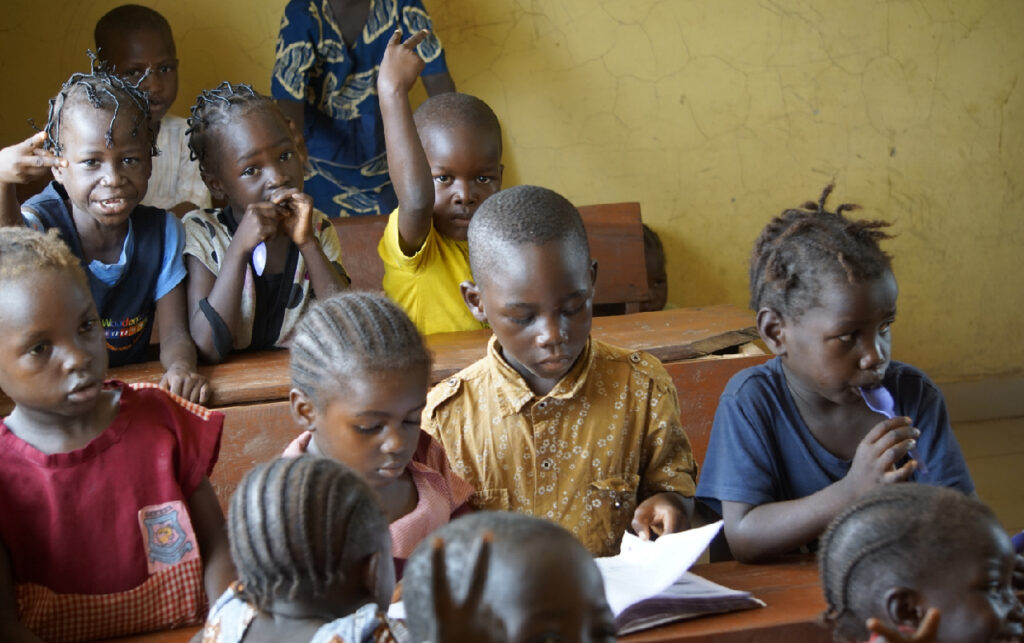
Back Story: How Nigeria’s Education Crisis Reached This Point
Nigeria’s out-of-school children crisis did not emerge overnight. It is the result of years of systemic challenges, including underfunding, rapid population growth, insecurity and policy implementation gaps.
For decades, education budgets have struggled to meet international benchmarks, leaving schools under-resourced and teachers overstretched. In many rural communities, basic infrastructure such as classrooms, clean water and learning materials remains inadequate.
Insecurity has also played a major role. Incidents of school attacks and kidnappings in parts of the country have forced closures and discouraged parents from sending their children to school. These disruptions have created long-term setbacks in enrolment and retention.
Poverty is another major driver. Many families rely on children for economic support, making education a secondary priority. Cultural and gender norms in some regions further limit access to schooling, particularly for girls.
Efforts to address the problem have evolved over time, from traditional enrolment campaigns to more sophisticated approaches involving technology and data. The current focus on learner tracking and system-wide reforms reflects lessons learned from past interventions that failed to deliver sustainable results.
Despite these challenges, education remains widely recognised as one of the most powerful tools for breaking cycles of poverty and driving national development. The renewed urgency from government and stakeholders signals a growing consensus that the crisis can no longer be treated as a routine policy concern but as a defining issue for Nigeria’s future.
Join Our Social Media Channels:
WhatsApp: NaijaEyes
Facebook: NaijaEyes
Twitter: NaijaEyes
Instagram: NaijaEyes
TikTok: NaijaEyes