In what many education experts are calling one of the most ambitious education reforms in recent memory, the Federal Government of Nigeria has formally launched a massive funding programme aimed at transforming basic education for millions of children across the country. The programme, known as Human Capital Opportunities for Prosperity and Equity – Quality Basic Education for All or HOPE-EDU, carries a substantial price tag of $552.18 million in secured funding from global development partners. This initiative promises not only increased investment but also measurable, transparent change in how basic education is delivered in both urban and rural communities.
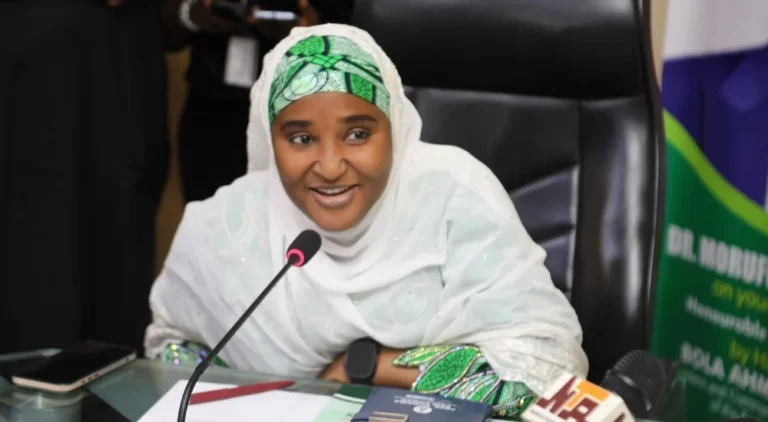
The announcement was made public in Abuja, where the Minister of Education, Dr Tunji Alausa, shared insights into the goals and structure of the HOPE-EDU initiative. According to the ministry, the programme’s launch marks a defining moment in Nigeria’s educational journey and signals a renewed focus on quality learning, equity of access, and stronger learning systems that reach every child.

A New Blueprint for Quality Learning and Accountability in Schools
At the heart of the HOPE-EDU initiative is a results-oriented model that seeks not just to deliver funding but also to tie outcomes to measurable progress. This represents a shift in strategy from traditional input-based funding to a performance-driven framework. By placing equity and results at the centre of financing, the programme hopes to ensure that resources translate into real improvements in learning outcomes, better classroom environments, and wider access to education for all children.
During the launch, Dr Alausa emphasised that the programme is designed to address what he described as the core challenges facing Nigeria’s basic education system. These include too many students attending school but not learning effectively due to under-resourced classrooms and insufficient professional support for teachers. Through HOPE-EDU, states will be empowered to lead delivery while parents, communities, and local authorities play active roles in ensuring accountability.
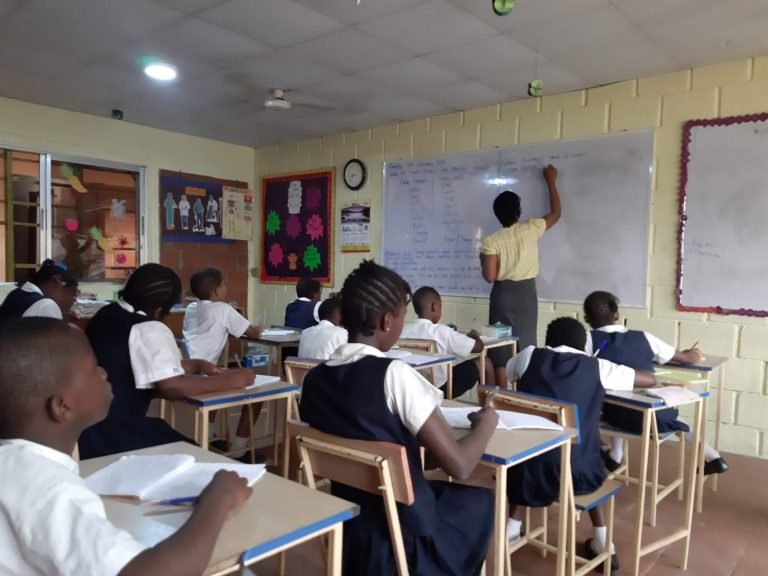
The programme is expected to benefit 29 million children enrolled in public schools, support more than 500,000 teachers, and impact over 65,000 public schools nationwide. These figures highlight the initiative’s ambitious scope and underline the government’s commitment to statutory education rights for all Nigerian children.
Partnerships and Funding Partnerships Driving Reform
HOPE-EDU is financed through a partnership that brings together international institutions and Nigeria’s federal and state governments. The bulk of the funds comes from contributions by the World Bank and the Global Partnership for Education (GPE), two key development partners with long histories of supporting educational reform around the world. With $552.18 million now unlocked, Nigeria has activated one of its largest and fastest-moving education finance packages in recent years.
Government officials have highlighted that the scale and speed with which the HOPE-EDU funds were released reflect stronger coordination between federal and state governments, and a clearer national vision for educational transformation. The initiative also fits into the larger Nigeria Education Sector Renewal Initiative (NESRI), a framework that seeks to overhaul the nation’s education system through reforms in policy, financing, and delivery.
Beyond the immediate funding for basic education reform, Nigeria has also increased its federal budget allocation for education to historic levels. This includes expanded support for infrastructure, teacher training, and related educational priorities. These combined efforts demonstrate the government’s intention to bolster human capital development as a long-term strategy for national growth and development.
Public and Stakeholder Response to the Education Transformation Agenda
The launch of HOPE-EDU has received praise from educators, parents, and civil society organisations, who see the programme as a step toward tackling long-standing challenges in Nigeria’s education sector. Many commentators have underscored the importance of linking resources to accountability and community involvement, rather than relying solely on increased spending without clear measures of impact.
In particular, stakeholders have welcomed the role of the Universal Basic Education Commission (UBEC) as Nigeria’s national implementing agency for HOPE-EDU. UBEC leaders have engaged with World Bank teams to align priorities and provide technical support to states in meeting programme requirements. This coordination is seen as critical to achieving tangible results across different regions and bridging disparities in educational access.
Many Nigerians took to social media to express optimism that the initiative will tackle systemic issues such as the high number of out-of-school children and the uneven quality of teaching. Comments highlighted the potential of HOPE-EDU to reinvigorate community trust in public education and to ensure that every child, regardless of background, has the opportunity to learn and thrive.
Looking Forward: What the HOPE-EDU Initiative Could Mean for Nigeria’s Future
While the HOPE-EDU programme is a bold step in the right direction, its success ultimately depends on faithful implementation at every level of government and sustained engagement with communities. With a scale of impact anticipated to reach millions of learners, careful monitoring and responsiveness to challenges will be essential to achieving lasting progress.
For parents and teachers across the country, the promise of better-equipped classrooms, improved learning outcomes, and professional development opportunities offers new hope for a brighter future for Nigeria’s children. For policymakers, HOPE-EDU represents a chance to redefine how education is financed and delivered in a way that could provide a blueprint for other sectors as well.
As implementation continues, all eyes will be on state governments, education agencies, and international partners to ensure that the ambitious goals of HOPE-EDU are translated into real and measurable gains. If successful, this initiative could reshape Nigeria’s education landscape and unlock the potential of a generation that previously faced barriers to quality learning.
Join Our Social Media Channels:
WhatsApp: NaijaEyes
Facebook: NaijaEyes
Twitter: NaijaEyes
Instagram: NaijaEyes
TikTok: NaijaEyes